


Highlights
- Smartwatches now use physiological sensors (heart rate, movement, GSR) to measure or infer emotional states.
- A 2025 study shows smartwatch PPG data can detect stress or “threat” signals using machine learning.
- Individualized emotion-recognition models can be highly accurate, with one study reaching 88.9% accuracy for valence/arousal.
- Uses include mental health support, adaptive learning, wellness coaching, and security threat detection.
- Ethical concerns include privacy, emotional safety, data security, risks of manipulation, and the broader impact of constant mood monitoring.
Introduction
Smartwatches have advanced beyond counting steps and sleep tracking. Today, they are becoming emotionally intelligent smartwatches have sensors, machine learning algorithms, and AI algorithms that allow them to assess how you are feeling. The real question is, how accurate are these systems? And should we trust them to support our emotional well-being?
We will examine the most recent updates in emotion detection and monitoring in wearables, investigate the science behind them, and ask questions like: Do we really want machines to monitor our moods for us? What does it mean for our mental health, psychological well-being, emotional safety, privacy, or agency?
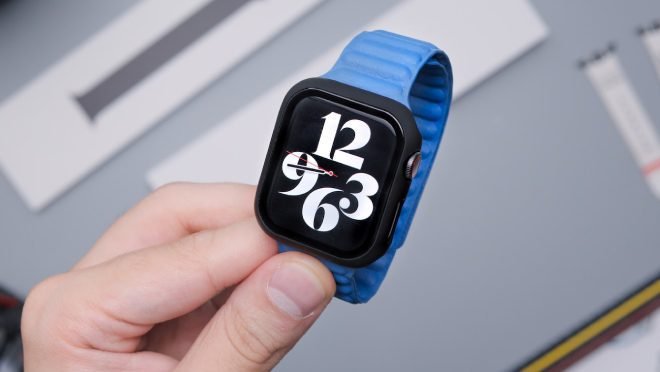
Understanding the Science of Emotion Recognition:
At the heart of this movement is the use of wearable sensors that continuously collect physiological data. Smartwatches can gather a combination of the following:
- Heart rate/heart rate variability
- (HRV)Motion/accelerometer data
- Galvanic Skin Response (GSR) (found in some more sophisticated models)
- PPG (Photoplethysmogram) signals that measure alterations of blood flow underneath the skin
Machine learning models can use these data streams to ascertain emotional states such as happiness, stress, excitement, threat, or calmness. One recent example, SensEmo, used heart rate and skin conductance to predict both valence (positive vs. negative feeling) and arousal (level of activation). For instance, in a classroom context, SensEmo achieved 88.9% accuracy in distinguishing students’ emotional states. In use, it tracked emotions and provided teachers with feedback to enable them to construct as needed based on students’ active engagement in real time.
At the same time, in 2025, a study suggested a threat-detection model that utilized PPG signals from smartwatches. The researchers were able to exhibit that identifying short-term fluctuations in PPG data would identify stress – or threat-related responses in conjunction with supervised machine learning for enterprise wearables with security implications
Another area that research on emotion recognition models leveraged random forest classifiers trained via hyperparameter tuning. They improved the models’ accuracy and reported mean accuracies of 86.6% (happy vs sad) and 76.3% (happy vs neutral vs sad) in lab settings.
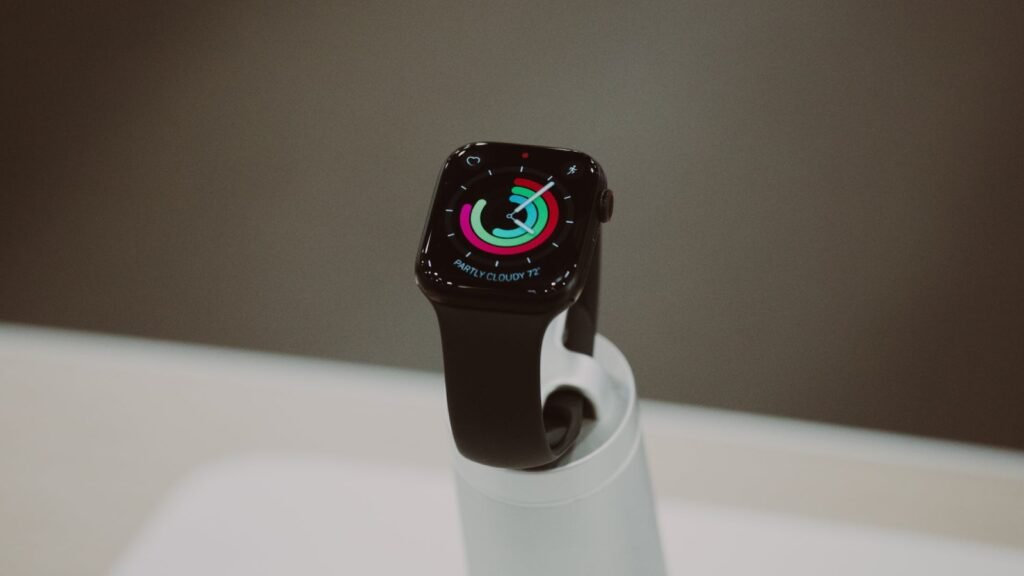
Real-World Applications: Beyond the Lab
Mental Health & Wellbeing
Smartwatches that can detect when an individual is stressed or experiencing negative emotions could subsequently alert the individual or a person to whom they are connected. These could prompt breathing exercises, suggest mindfulness breaks, or alert a designated person if the watch detects prolonged distress.
Learning & Education
In school classrooms, emotion-aware watches, such as SensEmo, could help teachers modify their pacing, engage with the class, and adapt their content to adjust their pedagogy. When witnessing low attention or frustration from many students, a teacher could modify their practice by re-engaging with the subject matter, reorganizing a task, or taking a break.
Personal Productivity & Coaching
Wearables might also become personalized emotional coaches that chip in, suggesting when to rest, take stretch breaks, or switch to a different task. They may also help someone set their optimal work pattern based on physiological feedback.
Safety & Security
For high-risk individuals, such as first responders or military personnel, watches capable of detecting dangerous action triggers or extremely high-arousal responses can initiate real-time incident systems and may help potential safety decision-making.
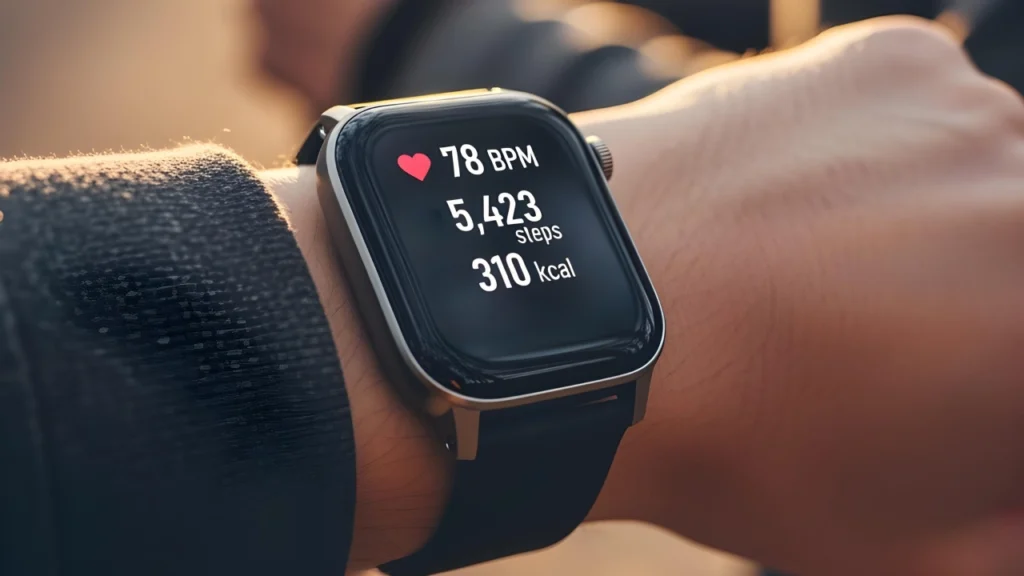
Adaptive Entertainment
Picture games or apps that adapt in real time to your emotional condition: if you are getting more and more excited, the music gets more intense; if you are becoming more and more stressed, the story slows down.
Challenges and Risks
Even with ongoing technical work, deploying emotion detection in real life raises significant ethical and practical concerns.
1. Privacy & Data Security: Emotions are personal data. If emotional data is collected or shared, who owns the data? How secure are they? Could they compromise their autonomy or maybe be manipulated in some way?
2. Accuracy & Misclassification: Models are never perfect. Emotions are complex and context-dependent; what if a “threat” model is inaccurate? What if you get a false positive? You become alarmed when there is no threat. What if you get a false negative? Would you suffer from emotional distress that we failed to recognize?
3. Psychological Impact: A person continuously monitored for emotional states might change how someone feels or behaves. Will someone perform for their watch? Will someone always feel like they are being surveilled by themselves?
4. Bias & Personalization: Emotion recognition models often necessitate some degree of personalization. Stress may look different physiologically to somebody else. Emotion detection models are likely trained, at least partially, on overwhelmingly limited populations, which, in some or many cases, results in misclassification of persons presenting as vulnerable population users.
5. Consent and Transparency: Users must understand what it is inferring, why, and what is happening to the inferred information. Transparent opt-in policies, systems, and consent flows matter.
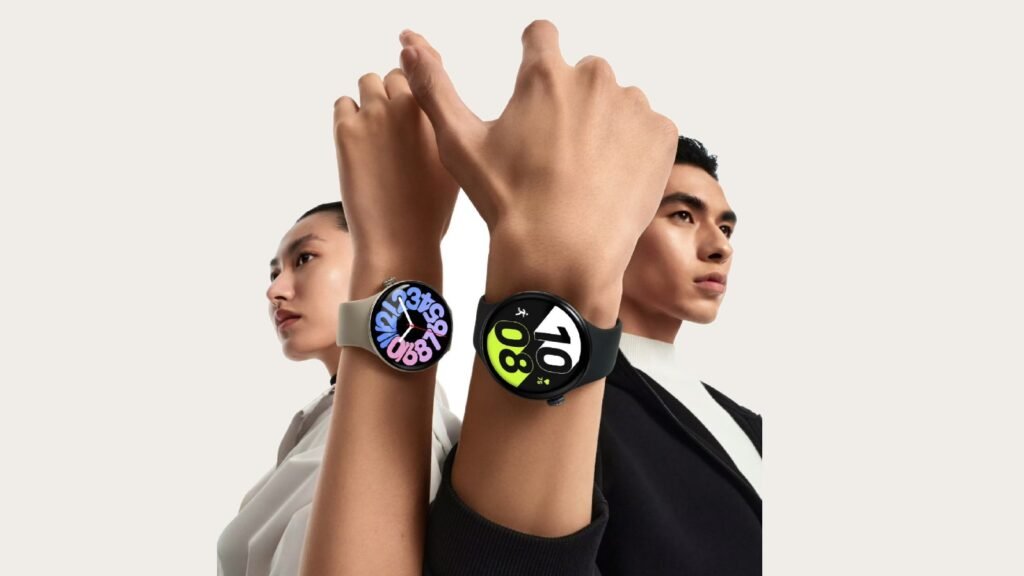
The Future: What is Coming
Better Personalization
More model of personalization based on individual baselines, learning how you convey stress, joy, or fear physiologically. Edge AI: With more powerful on-device AI, emotion detection will become entirely local to the smartwatch, reducing latency and allowing for increased privacy.
Merging with Mental Health Care
Smartwatches may connect with telehealth platforms. If emotional distress persists, they may recommend or trigger a telehealth therapy session.
Regulation & Ethical Frameworks
As adoption increases, regulators as well as device manufacturers will need established standards for emotional data and how it is stored, utilized, shared, and protected.
New Use Cases
We may see emotionally aware virtual assistants, gaming possibilities, or even social platforms that adapt based on emotional feedback.
Conclusion
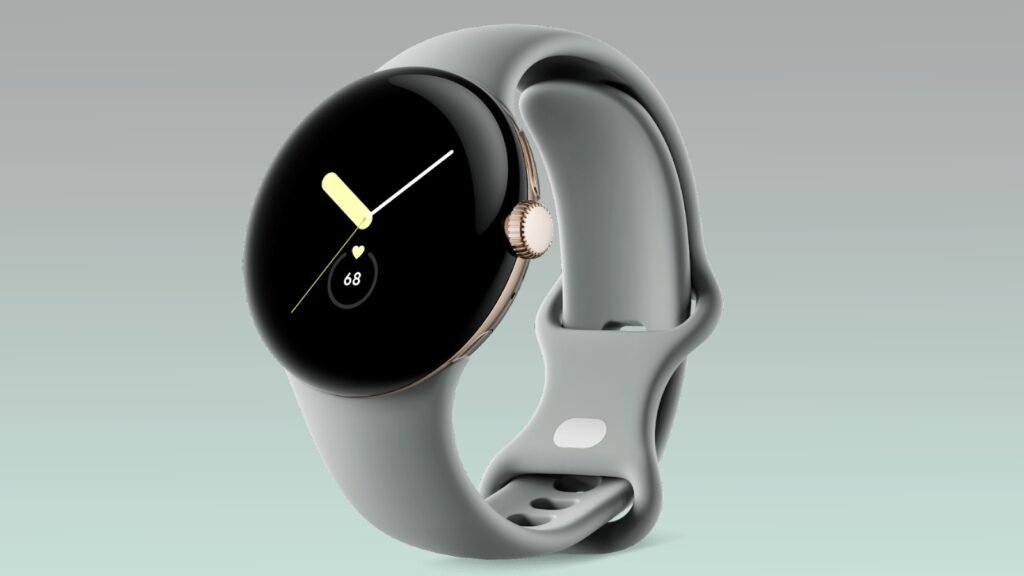
Smartwatches are no longer simply devices for tracking steps and sleep. They are actually venturing into the domain of emotional intelligence! Equipped with AI and physiological sensors, these gadgets infer how you feel, respond to stress, and suggest interventions.
The anticipatory gains of mental health management and adaptive learning are refreshing and really far-reaching. This power comes with responsibility. Emotional data is highly personal; errors can lead to misuse, misinterpretation, and/or privacy invasion.
As this technology develops, the question won’t be only how smart our smartwatches become, but also how ethical we let them become. Once machines can feel us, we need to consider whether this is a benefit, a burden, or both.