

Highlights
- Larian Studios unveiled Divinity at The Game Awards 2025, calling it their “biggest game ever.”
- The trailer showcased disturbing ritual imagery, hinting at themes of sacrifice, corruption, and divine power.
- Gameplay remains unconfirmed, sparking debate over whether it will retain tactical roots or embrace action.
At The Game Awards 2025, Larian Studios, the studio that made Baldur’s Gate 3 famous, finally made their long‑teased project public. By simply naming it Divinity, the studio has characterized the game as the “biggest ever,” which at once raises expectations, given the massive popularity of Baldur’s Gate 3.
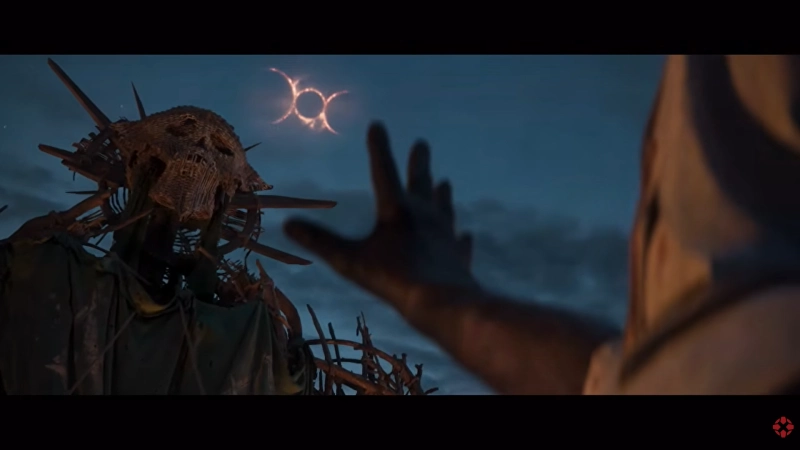
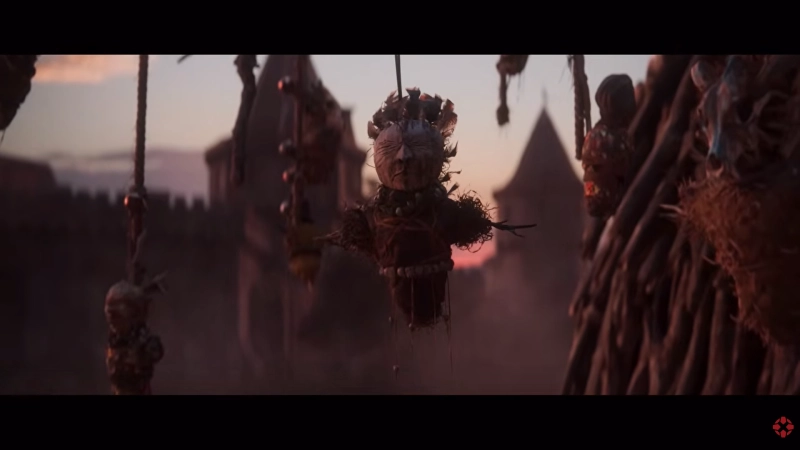
The very first glimpse was nothing short of a horror show: a medieval fair depicted through gruesome images, culminating in the burning of a wicker man and a horrifying metamorphosis that revealed the legendary Divinity statue.
This gruesome show not just verified the desert statues that were hinted at in the previous marketing but also established a narrative filled with rituals, dead bodies, and disturbing ceremonies as the backdrop.
Themes of Ritual and Corruption
The trailer’s exceptional articulation of Larian’s intentional vagueness is, nevertheless, its most notable feature. The company has not made it clear whether Divinity will incorporate the turn-based combat system that was so distinctive of Original Sin, or if it would prefer to go with an action-based approach instead. This uncertainty has sparked debate among both fans and critics.
One argument is that a return to the strategic roots of Original Sin would please longtime players who cherish deep, tactical gameplay. At the same time, the other argument is that the action-dominated approach gains wider acceptance for the game, especially after the mainstream success of Baldur’s Gate 3. The harshness of the trailer suggests openness to new ideas, perhaps blending cinematic narrative with techniques that spotlight immediate, corporeal impact.
Gameplay Speculation and Direction
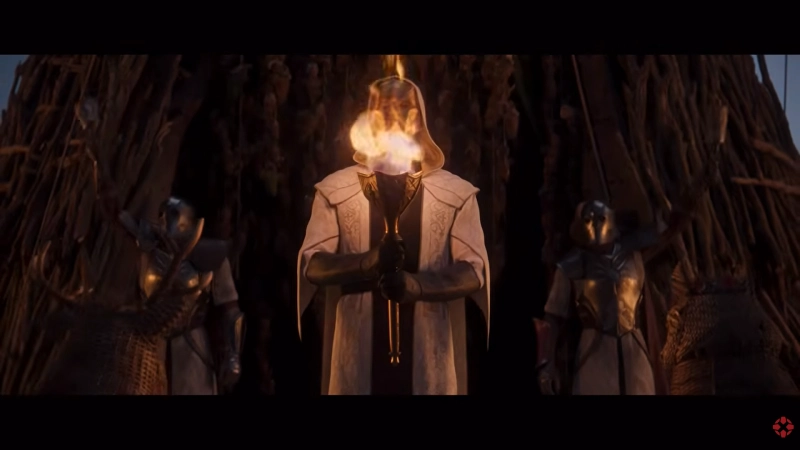
The trailer narratively teases a return to Larian’s own IP rather than licensed ones. This is a big deal, as it gives the studio total freedom to develop the Divinity saga without outside limitations. The scenes of burning rituals, transformations, and creepy ceremonies hint at corruption, divine power, and the ebb and flow of sacrifice.
These symbols align with the game’s previous questioning of morality, divinity, and the indistinguishability between heroism and tyranny. If Divinity is indeed the “divine origins” story, then it might be both a prequel and a rebirth, returning the series to ancient times.
Larian’s cautious approach is apparent in the absence of a release date and gameplay footage. The studio has guaranteed that speculation is the driving force of conversation by concentrating on atmosphere rather than mechanics. This technique is like the lead-up to Baldur’s Gate 3, where initial uncertainty gave way to a carefully managed revelatory cycle. For the time being, fans have to examine every single frame of the trailer, from the burning effigy to the hideous transformations, for
Larian’s Ambition After Baldur’s Gate 3
Larian’s announcement signals a major turning point in its ongoing mission to dominate the RPG space. After Baldur’s Gate 3 achieved overwhelming critical acclaim and blockbuster commercial success, the studio now faces sky-high expectations from fans and the industry alike. Calling the next Divinity title its “biggest game ever” isn’t just marketing—it’s a public promise and a serious challenge. Larian will need to deliver an experience that honors what made Divinity special while pushing the genre forward with stronger storytelling, higher production values, deeper role-play systems, and richer world-building.
If the project stays on track, Divinity could reshape how players view dark fantasy RPGs by blending cinematic scale with meaningful choice and consequence. The goal seems clear: a game that feels grand and polished on the surface, but remains complex, reactive, and player-driven at its core.