


Highlights
- Gaming phones, handheld PCs, and hybrid controllers now shape a diverse ecosystem of portable gaming.
- ROG Phone leads in competitive performance, while iPhone excels through efficiency and ecosystem.
- Steam Deck and GPD Win devices push PC-grade gaming into portable form factors.
- Heat limits, battery demands, and portability trade-offs define how gamers choose between formats.
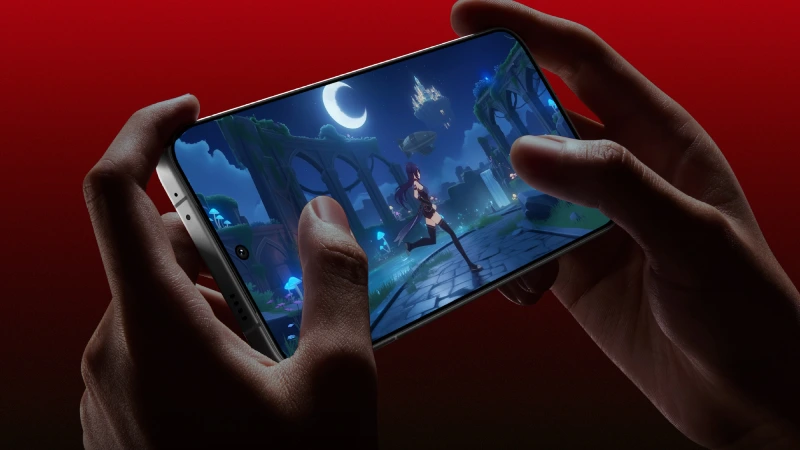
Mobile Gaming In 2025, the world of portable gaming is not defined by a single main format but by a range of devices that overlap and satisfy different needs. Hyper-optimised gaming smartphones push for high-speed refresh rates and feature high-tech cooling systems. Handheld gaming PCs can deliver almost desktop-like performance and access large game libraries.
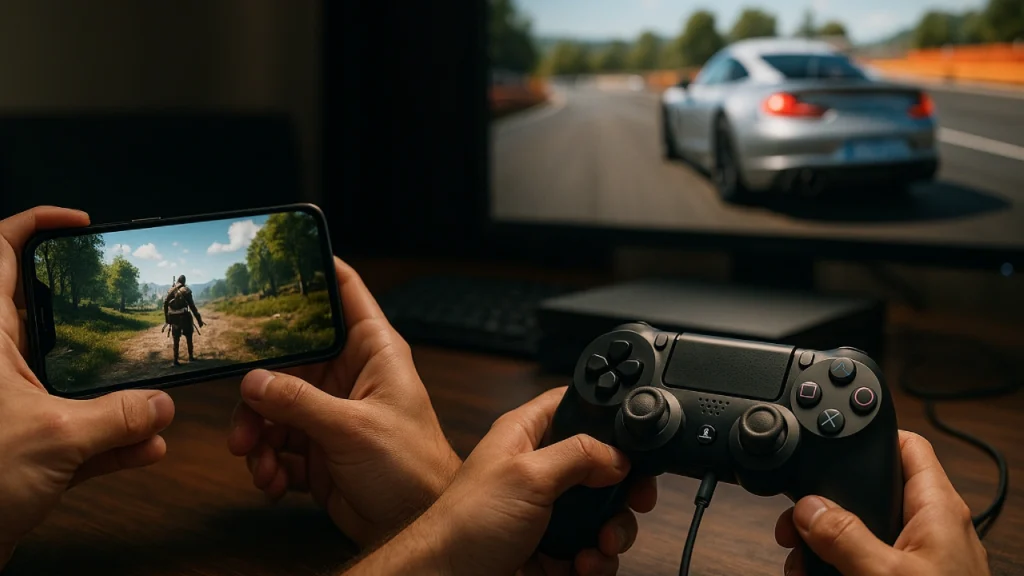
Hybrid solutions that combine controllers and docking systems combine the convenience of smartphones with console-style complete immersion. The rivalry among the ROG Phone, the newest iPhone models, the expected Steam Deck successor, and the GPD Win series, as well as other newcomers, is not merely a battle of specs – it is also about different design ideologies influencing how gamers pick to move around with their games.
ROG Phone and the Peak of Mobile-First Performance
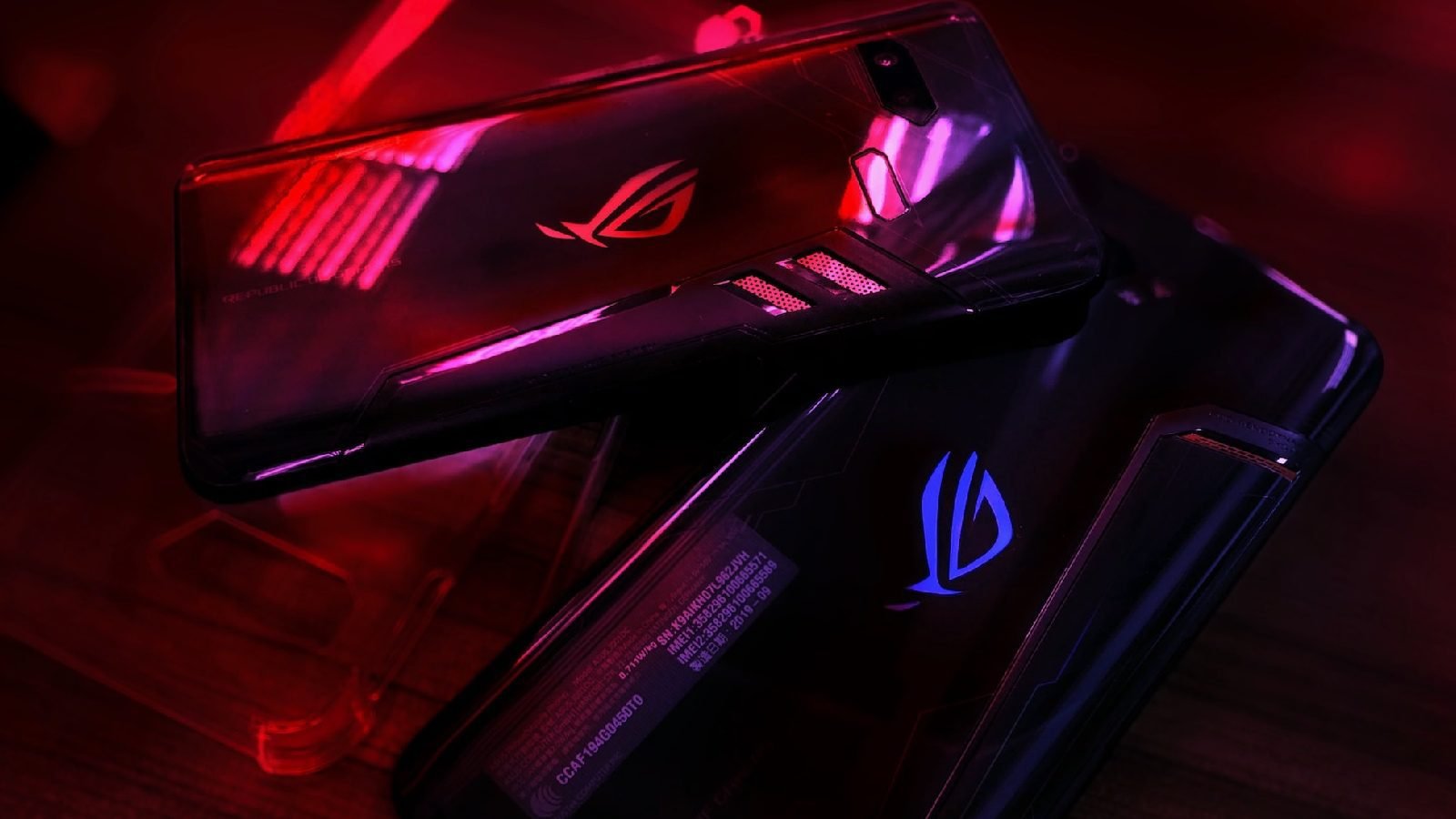
The ROG Phone series consistently holds that mobile processors should be drained of power and, at the same time, supplied with gaming-dedicated hardware. The third-generation 2025 model is powered by the Snapdragon 8 Gen 3, features high-refresh-rate AMOLED displays, and offers excellent cooling that can sustain high frame rates for extended periods. This makes the mobile device very favourable for competitive mobile games, where the two factors, constant and quick reactions, plus frame stability, determine who wins.

Asus’s software stack, performance modes, and the complementary hardware – from outside fans to controller docks – all give support to the idea that this device is basically a gaming machine and only then a smartphone. This narrow focus has prevented the ROG Phone from becoming anything other than the biggest icon of gaming competitions on a mobile-centric scale.
iPhone Performance: Efficiency, Integration, and Everyday Gaming
Apple, on the other hand, has never considered the iPhone a primary gaming machine; however, the iPhone’s hardware has always been equal to that of gaming devices. The A18 series has been showing strong performance across both CPU and GPU workloads. This is due to Apple’s excellent hardware-software integration and the efficiency of its Metal API. In terms of gaming, these benefits provide users with consistently good quality in-app and cloud titles, and they can even pretend to be PlayStation or Xbox with the help of emulators.
The inability to handle heavy-duty gaming heat means the iPhone’s ergonomics and heat management are the limiting factors. For most people, the iPhone’s essence is its portability; it’s already in the pocket and capable of delivering polished games, even if it cannot match the sustained thermal performance of sport-oriented gaming phones.

Steam Deck and the Handheld PC Category
With Valve’s first Steam Deck, people have had a different understanding of what portable PC gaming is and will be, as users can take a significant portion of the Steam library with them. The year 2025 already talks about the successor, which means the company is not giving up on this hybrid characterisation. Indeed, a handheld that acts like a PC rather than a phone is the main one coming from Valve’s side. The main features that define the category are compatibility, flexibility, and the ability to run not only mid-tier but sometimes high-end PC titles with playable settings.
Handheld PCs do not focus on raw peak performance; instead, they emphasize long sessions, mod support, and persistent libraries that players have built over the years. This makes the category particularly attractive to users who desire a seamless transition booth between desk and sofas without sacrificing the depth of PC ecosystems. The downsides are still in terms of size, battery life, and price, but the user experience is much closer to that of a standard computer than what any mobile platform can offer nowadays.
Different Players, Different Priorities
User intent is one of the factors that distinguish these devices from one another, along with hardware. Competitive mobile gamers will always prioritize frame stability, low latency, and screen responsiveness above everything else, and thus gravitate toward ROG phones, which are specifically designed for these purposes.
Hardcore handheld users are all about variety of the library, modding, and the ability to play; that’s why they prefer the Steam Deck or GPD Win. On the other hand, casual gamers usually look for the simplest option and use the device they already have at hand, like an iPhone, for short or moderate gaming sessions. The market has expanded not because other device classes were outperformed, but because each has a different approach to the game.
Performance, Heat, and Battery Trade-offs
Every form factor comes with limitations that, in turn, shape the user experience. Mobile gaming has become very powerful, with really high performance. Still, there’s usually a thermal issue that forces users to use cooling gadgets to get the most out of a long gaming session. Handheld PCs can maintain a higher, yet continuous, performance level due to their larger cooling systems and batteries; however, this will lead to increased weight and reduced portability.
Smartphone gaming is the most convenient form of play, but it also puts thermal stress on the thin body parts that are not designed for high-load rendering tasks. In response to that, manufacturers have developed variable refresh displays, adaptive power modes, and sophisticated thermal systems that give users an option between battery life and pure performance, depending on the situation.
Conclusion: A Multi-Format Future for Portable Gaming
There’s been a significant shift in portable gaming, where one device doesn’t necessarily have to replace another, but the whole ecosystem can have multiple categories living side by side. ROG Phone delivers the clearest performance in the entire mobile gaming segment. iPhone supports gaming, which is coexistent and subtle, in addition to being a wide-range daily-use device.
Steam Deck, along with the GPD Win series, is a portable device that offers excellent performance and compatibility with desktop PCs. The use of controllers and docks links these different experiences together, allowing players to adjust their setups based on current needs, either expanding or contracting them.