



Highlights
- Smartphone camera AI now plays a bigger role than hardware in enhancing image quality.
- Night Mode and Astro Mode use computational photography to improve low-light and sky photography.
- AI enables better HDR, realistic portrait effects, superior stabilization, and smart scene optimization.
- Despite major improvements, limitations remain in accuracy, authenticity, and consistency.
- These AI tools make advanced photography easier and more accessible for everyday users.
Introduction: AI Has Redefined Smartphone Photography
Smartphone photography has evolved from being a convenience feature to becoming one of the most advanced and competitive aspects of mobile technology. In 2025, it is no longer just about megapixels or lens count. The real game-changer is AI-powered computational photography, which processes images intelligently to create clearer, brighter, and more detailed photos than physically possible with small phone cameras alone.
Among the most transformative innovations are Night Mode, Astro Mode, and deeply integrated AI enhancements that analyze every shot, understand the scene, and improve it automatically, resulting in brighter, sharper, and more detailed photos. These advancements have allowed smartphones to rival entry-level professional cameras in many scenarios while staying easy to use.

How Has AI Changed Smartphone Photography?
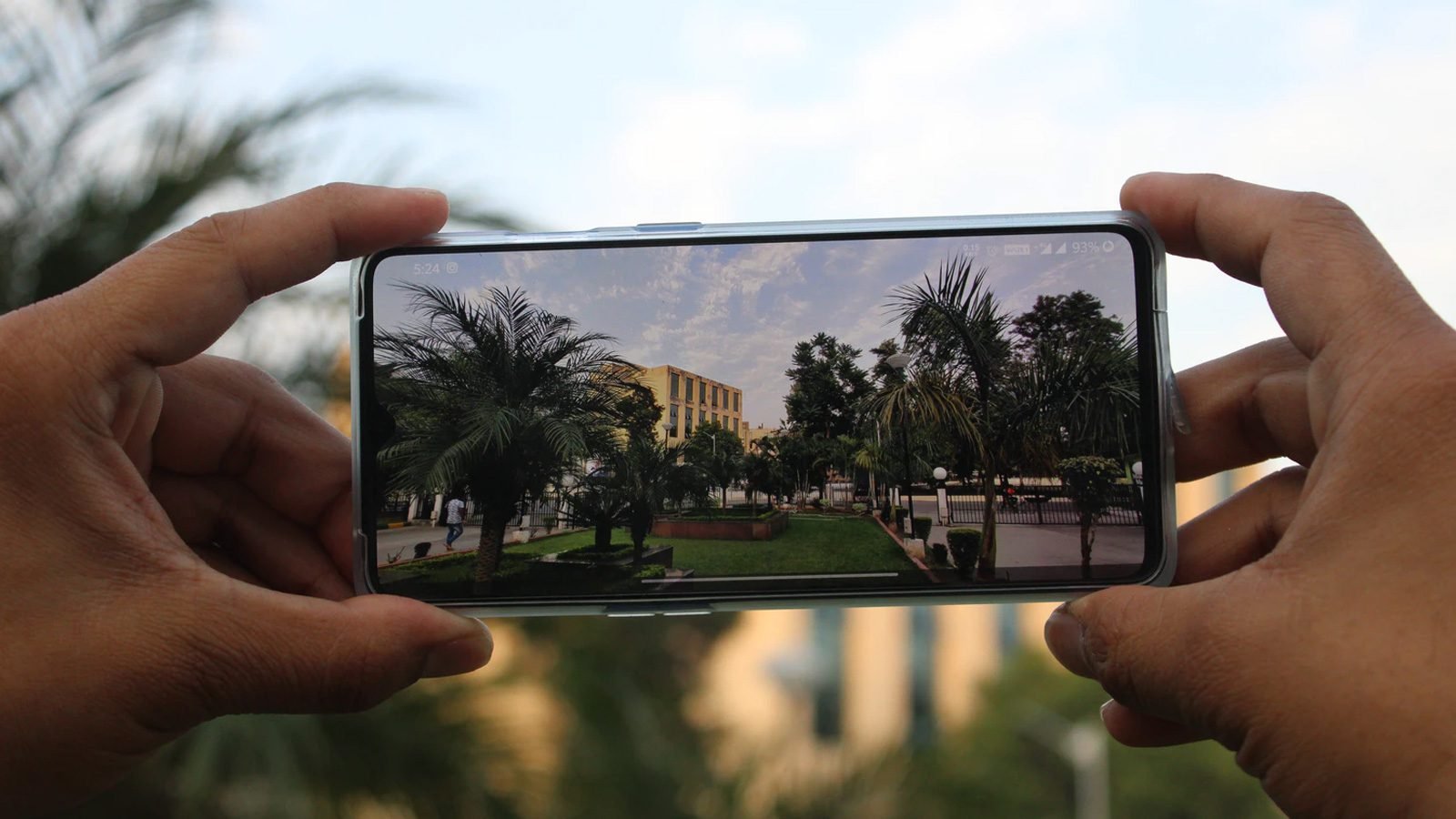
Modern smartphone cameras do much more than simply capture what the lens sees. The moment you press the shutter, AI systems start working in the background. They combine multiple frames, balance exposure, reduce noise, enhance colors, sharpen important areas, and optimize the final output without the user noticing the complexity involved.
This evolution has transitioned photography from “what the camera caught” to “what AI smartly judged.” For a majority of the users, the output is excellent: great photos with zero manual effort, sharpness, and beauty with next to no work done.
Night Mode: Darkness Porked and Made Visible
Nighttime photography was once a major drawback for smartphone cameras. The small sensors, due to their inability to capture good quality in low light, resulted in images that were dark, grainy, and blurry. But AI Night Mode has proven to be a game-changer in the whole scenario.
Night photography was one of the major drawbacks of mobile phone cameras. AI Night Mode has completely transformed the experience. Night Mode captures several frames with various exposures very quickly and smartly combines them. AI stabilizes the image, counteracts hand movement, brightens dark areas, keeps highlights like streetlights, and reduces noise.
Hence, a photo that appears well-lit, detailed, and surprisingly natural-looking even in very dark conditions is the outcome.
More clearly well-lit nightlife pictures, better indoor images, and better moments captured through concerts, dinners, cityscapes, and nighttime travel are some of the perks for the daily users.
Astro Mode: Making Stars Nearer
Astrophotography was an exclusive territory of professional cameras, hefty tripods, and bare knowledge of advanced settings. With AI Astro Mode, the stars have become the photographers’ playground. Equipped with the night sky, the phone takes several long-exposure shots, syncs them, and enhances stars while removing blurriness and noise.
Astro Mode makes constellations more visible, reveals the overall sky better, and sometimes even brings to light the stars that are not visible to the naked eye. While a steady position or a tripod still aids in getting the best results, modern AI stabilization permits even handheld astro images under the right conditions.
Beyond Night & Astro: AI in Everyday Photography
Nowadays, AI has become a part of smartphone photography enhancements for almost every type of photo.
AI HDR
The HDR processing feature is one of the best examples that ensures proper lighting by smartly balancing bright and dark parts of the image, making it impossible for any area to lose its detail – no more washed-out skies or completely black shadows.
Portrait Mode Improvements
Gone are the days when portrait mode was artificial; new edge detection around hair and see-through elements like glasses has made this mode much more realistic, producing astonishing DSLR-like background blur.
Portrait photos now look far closer to DSLR results than earlier generations.
Scene Detection & Real-Time Assistance
Also, identifying scenes the AI has seen optimization can distinguish if a user is taking an image of food, landscape, people, pets, or documents, and will accordingly adjust the color tones, the light exposure, and the sharpness. What is more, real-time enhancements lead users to better framing suggestions and lighting tips even before they slice the picture.
Video Enhancements
Video, too, has an advantage, and the modern tech offers stabilization, motion tracking, and low-light recording improvements powered by AI.

Limitations and Real-World Reality
Photography with the help of AI in smartphones has come a long way, but it is still not flawless. At times, the processed images could look like they have gone through the mill; colors might appear unnaturally bright, or certain textures may look too smooth. Besides, happening in total darkness or taking very distant shots of the night sky, performance is still not up to par with professional cameras.
Computational photography software is the mainstay of the technology; thus, it is the one determining the quality of the output. Different brands and devices will then have different results. Nevertheless, the drawback is only minor, and most casual users will certainly have the benefit over the limitation.
Who are the main beneficiaries of this development?
The developments mentioned above have been especially advantageous to:
- Common users desiring perfect shots without any technical knowledge
- Adventurers taking pictures of gloomy cityscapes and night views
- Creators and users on social networks
- Learned people and amateur photographers
- Anyone who desires trustworthy, high-quality pictures from a pocket-sized device

Conclusion
AI-based smartphone photography has not only changed the capability of mobile cameras but also redefined their limits. With features such as Night Mode and Astro Mode, even the hardest-to-capture scenes become very simple, while computational photography increases color, clarity, and stability in nearly all situations.
Even though they do not completely substitute professional cameras, smartphones in 2025 still have extraordinary imaging capabilities that are powerful, accessible, and effortless.
The art of photography has transformed from requiring technical skill to allowing one to express creatively and tell stories through it – AI being the silent partner that makes it possible.