

Highlights
- Next-Gen Console strategies diverge as PlayStation 6 focuses on exclusives, high fidelity, and system-level AI, while Xbox Next targets a hybrid Xbox-Windows ecosystem.
- Both Next-Gen Consoles advance in hardware, AI, cloud integration, and backward compatibility but differ in openness, curation, and ecosystem design.
- Pricing, SKUs, store licensing, and regulatory limits will determine how each Next-Gen Console positions itself between mainstream and premium audiences.
The console situation at the outset of the late 2020s will be significantly influenced by platform strategy and ecosystem convergence rather than single-step hardware leaps. Besides, the way companies combine silicon, software, and services will also play a significant role in determining the future of the console world.
Both Sony and Microsoft have decided their next-gen consoles will not be mere isolated living-room boxes; they will be the hubs of multi-device ecosystems instead. The major rumors, different industry reports, and even the first analysts’ statements all suggest that the two companies have opposing views: Sony will prioritize platform-first interactions and exclusives through carefully chosen selection and hardware that has seamless continuity; on the other hand, Microsoft will go for a hybrid center that combines the best of both worlds – a curated Xbox interface and Windows’ inherent liveness and cloud continuity.

Hardware direction and performance expectations
Expectations for raw performance center on iterative generational gains driven by AMD’s roadmap and process-node advances. About PlayStation 6, leaks and analyst opinions suggest that the upcoming console will be much more potent than its predecessors in terms of compute and ray-tracing capability, which certainly raises hopes for the very advanced AMD Zen and RDNA cores, as well as increased memory bandwidth and good AI support at the system level for upscaling, asset streaming, and intelligent load balancing.
That suggests Sony will lean into enabling denser worlds and more deterministic single-player fidelity while maintaining backward compatibility and developer-friendly toolchains.
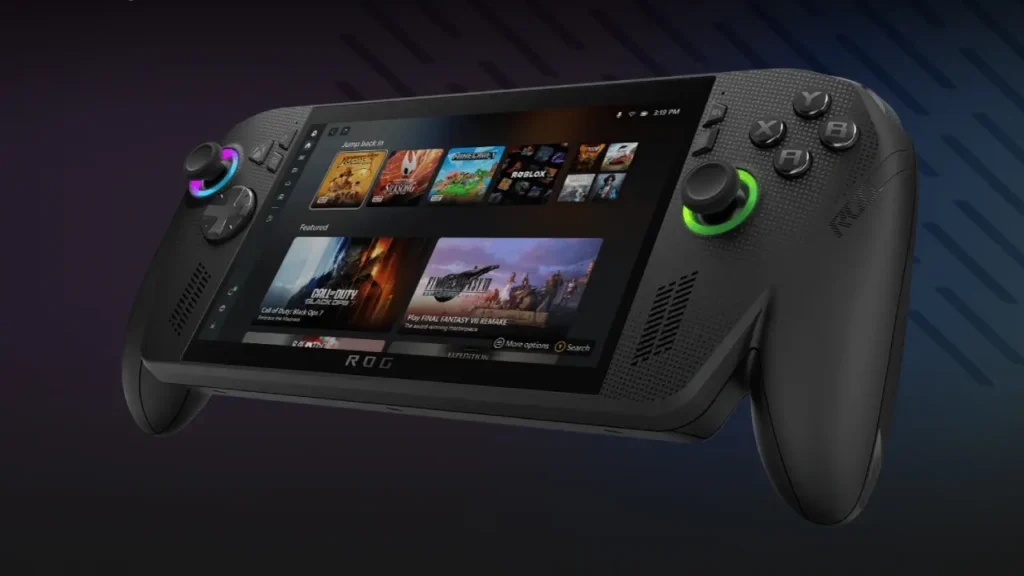
Microsoft’s “Xbox Next” narrative, by contrast, has been reported as leaning toward a premium, PC-like appliance that can boot into a TV-first Xbox layer or a whole Windows experience, giving users direct access to Steam, Epic, and other PC launchers on the same box; this duality implies high-end silicon and a design focus on thermal headroom and expandability rather than sheer miniaturized lowest-cost BOM targets.
The practical implication is that both machines will push GPU and I/O further than previous consoles, but they will emphasize different guarantees: Sony on consistently high fidelity for first-party games and console-anchored features; Microsoft on versatility and compatibility with PC ecosystems, which may influence component choices and cooling philosophies.
Software, services, and ecosystem strategies
Software strategy is the clearest battleground. Sony’s historical strength has been first-party narrative-driven exclusives and a tightly curated platform experience. Industry commentary suggests Sony will continue investing in exclusive IP and in system-level AI to augment game development and player experience, keeping PlayStation a destination platform for major single-player and cinematic franchises.
Microsoft’s approach, as reported, aims to dissolve platform boundaries: an Xbox that looks like a console but can switch to Windows offers a vision in which subscription value, cross-store access, and a single device for console and PC libraries become routine. That approach may attract users wanting one-box convenience, but it also raises questions of curation, store economics, and the future shape of platform exclusivity.
For players, the difference will be visible in the launch window. PlayStation’s stack will likely center on exclusive franchises and a controlled launch lineup optimized for the hardware. Xbox Next, if it ships with native Windows capability or tight Windows integration, will trade some of that curated control for an “open-living-room” promise, access to broader PC stores, and modded or third-party ecosystems without leaving the couch.
AI, cloud, and game experience augmentation
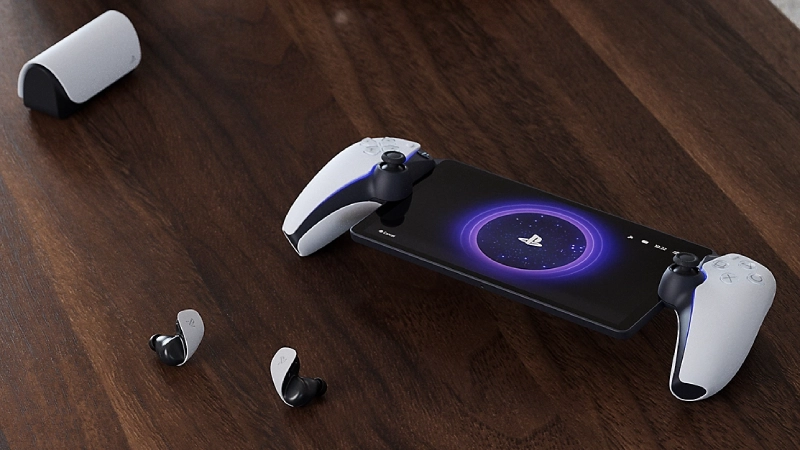
AI is no mere marketing line for next-gen consoles; it’s shaping how companies plan texture streaming, upscaling, NPC behavior, and on-device assistance. Sony’s rumored emphasis on system-level AI for dynamic asset streaming and upscaling aims to give developers safety valves to push fidelity while managing storage and memory constraints.
Microsoft’s cloud-first posture pairs well with aggressive AI inference at the edge and hybrid rendering models, where intensive workloads are offloaded to cloud or edge servers as needed, enabling near-console fidelity across multiple devices and fast, “instant-on” experiences. The likely outcome is a generation in which AI and cloud are used to bridge device differences rather than force a single hardware winner.
Backward compatibility, media, and physical formats
Backward compatibility and media choices remain hotly discussed among users. Sony’s legacy strategy has favored keeping major libraries playable while gradually shifting toward a more digital-forward business model; leaks and reporting suggest Disc-drive options might persist at launch for collectors, while a strong emphasis on preserving players’ previous purchases will be marketed as a retention lever.
Microsoft’s Windows-oriented plan inherently treats backward compatibility differently. By embracing PC stores, the next Xbox could offer the broadest access to previously purchased PC and console titles. Still, the final customer experience will depend on licensing and store agreements.
Pricing, positioning, and the premium segment
Multiple outlets have flagged the possibility that Microsoft will target an “ultra-premium” home device tier for Xbox Next, which may push retail pricing higher than past generations if the company truly integrates PC-level hardware and features into the living-room box. Sony historically balances aspirational flagship hardware with tiered SKUs (Pro variants, digital-only options) to hit multiple price points.
PlayStation 6 could follow a similar multi-SKU approach, trading a baseline model for accessibility and a Pro-class model for enthusiasts. Pricing will be a core consumer discussion point at the reveal: whether either company chooses to absorb costs to keep retail prices mainstream or targets early-adopter margins will matter for adoption curves and how quickly third-party developers optimize for the platform.
Developer and industry perspectives
Developers interviewed in industry coverage stress that the next consoles’ success will depend on how well hardware teams abstract complexity away from studios. Sony’s legacy of strong dev tools and a stable target helped produce iconic single-player titles; analysts warn that if Microsoft’s dual-mode vision introduces fragmentation between the Xbox UI and full Windows modes, studios could face new QA overhead and platform-specific optimization tasks.
Insiders also point to middleware, game engines, streaming libraries, and AI toolchains that must mature concurrently to enable studios to extract value from new hardware without disproportionate porting costs.
User sentiment and community signals
Initial user feedback across different online platforms is mainly hopeful, though with some skepticism. Many PlayStation fans express their faith in Sony’s first-party strategy and fear that a very PC-like Xbox might compromise the simplicity of consoles.
On the other hand, some users are excited about the possibility of having one device at home for both console and PC games, and quite a few threads are discussing how, if not for licensing, sharing a living-room device of PlayStation PC titles with kids would be possible. Community reviews and early hands-on feedback underscore repairability, modularity, and long-term software support as significant purchasing factors alongside raw specs—areas where communication and post-launch transparency will be crucial in shaping brand perception.
Risks, regulatory, and market dynamics
The interplay between regulatory dynamics and platform economics will determine the extent of cross-store interoperability possible for each company. Antitrust scrutiny, licensing deals with third-party publishers, and content restrictions based on geography are among the factors that could limit cross-store accessibility at launch. Furthermore, the realities of hardware supply chains, along with the rising prices of high-end components, may force vendors to adopt sales strategies with fewer SKUs to manage margins and inventory risk better.
Final assessment and what to watch for
It is expected that official announcements will focus on three aspects: how each console addresses the issue of ownership (backward compatibility and store access); how they embrace AI and cloud as means to enhance or prolong game experiences; and the pricing/SKU strategy that will distinguish between mainstream adoption and premium early-adopter sales.
It seems that Sony is set to outdo itself in terms of meticulously curated, high-fidelity first-party experiences and excellent developer tools, while Microsoft is taking a more utility- and ecosystem-convergence-oriented approach, combining console ease with PC openness.