





Table of Contents
Highlights
- ROBOTaxi rollouts are progressing unevenly due to regulatory and cultural differences.
- Waymo and Apollo Go showcase contrasting autonomous ride-sharing strategies.
- Safety oversight and governance remain critical barriers to large-scale deployment.
- Public trust, not just technology, will define autonomous transport’s future.
Autonomous ride-sharing, which has been mainly viewed as a far-off aspiration due to the artificial intelligence research conducted, has now been through a phase of very cautious but real deployment. The ROBOTaxi trials have already been working in designated areas in China, the United States, and some other places, which marks the transition from just testing to the start of commercial services. These programs, however, do not signify the presence of a fully autonomous transportation system everywhere; instead, they indicate a major transformation in the approach of urban transport systems to the future scenario.
This paper studies the technological basis of ROBOTaxi systems, discusses the most important and most quoted services that are operational today, and looks into safety regulations as well as public opinion. It maintains that the occurrence of autonomous ride-sharing is best seen as a process of slow disruption rather than reconfiguration of mobility shaped by regulation, public trust, and uneven technological maturity.
The technological architecture behind ROBOTaxis
The layered stack of perception, decision-making, and control technologies is at the core of ROBOTaxi systems. The vehicles use a variety of sensors, with LiDAR, radar, cameras, and ultrasonic sensors being the most important ones to build real-time models of their environment. The data is then analysed by machine-learning systems that have been taught using millions of kilometres of driving data, which enables the vehicles to recognise objects, foresee their movements, and choose safe paths.

What sets apart ROBOTaxi platforms from advanced driver assistance systems is the total elimination of the human driver within the specified operational areas. These operational areas usually consist of geo-fenced urban regions characterised by high-quality mapping, predictable road layouts, and favourable weather conditions. The reliability of the software is complemented by hardware redundancy, thus preventing the immediate risk to vehicle safety from failures occurring in one sensor or processor.
China’s large-scale experimentation model
China has become one of the most daring testing areas for autonomous ride-sharing due to the support of the government, the presence of dense urban data environments, and the comparatively lenient pilot regulations. The leading service is Apollo Go, which is managed by Baidu. Apollo Go has carried out extensive pilots in cities like Beijing, Wuhan, and Shenzhen, and it has been able to complete the daily rides in certain areas with thousands of users.
Independent media and academic evaluations often point to Apollo Go as an instance of learning being accelerated through scale. The service not only attracts cars to the transport networks but also encourages the use of urban transport alternatives at very low prices, thus increasing public exposure and normalising travel without drivers. On the other hand, critics argue that the company’s accomplishments have been made possible largely because of the carefully curated environments and strong municipal coordination; the question of the transferability of such success to less controlled cities arises.
The United States and the regulatory tightrope
In the U.S., the deployment of ROBOTaxi has taken a slow and fragmented course. The regulatory authority is divided among the federal, state, and municipal levels, and the public has been very critical. The most established service is conducted by Waymo, which provides rides in Phoenix, San Francisco, and Los Angeles with no drivers needed.
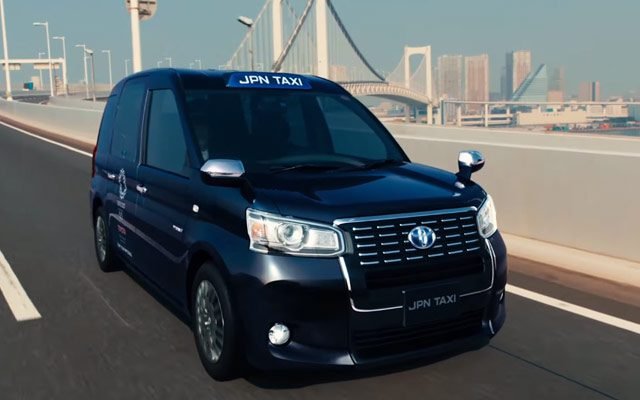
Waymo has been recognised as a benchmark for the industry because of its long history of testing and its safe and conservative approach. Besides extensive simulation testing, which is often considered in reviews and safety assessments, Waymo constantly provides engagement reports. Customers often say that the rides are very smooth and predictable, which to some extent convinces them that the technology is mature. Nevertheless, Waymo’s gradual increase has been intentional, which indicates both the regulator’s degree of caution and the company’s demand to avoid high-profile failures.
Cruise, which is GM’s partner, presents a contrasting situation. After a very quick expansion in San Francisco, Cruise was shut down by regulations due to many incidents. This situation highlighted a contradiction in the self-driving cars market; making cars available to more customers very quickly can be a good way to learn, but also may very quickly lead to public risk and company reputation damage if the systems fail. The Cruise incident has since been used as a point of reference in the discussions about the maximum speed allowed for deployment and, hence, in the policy debates.
Safety protocols and governance frameworks
Safety is still the most important factor affecting the public acceptance of ROBOTaxis. The main companies are supporting a “safety-first” narrative, which is based on redundancy, perpetual monitoring, and having the capacity to remotely intervene. Usually, vehicles are managed by control centres that can communicate commands or offer support when difficult situations occur.
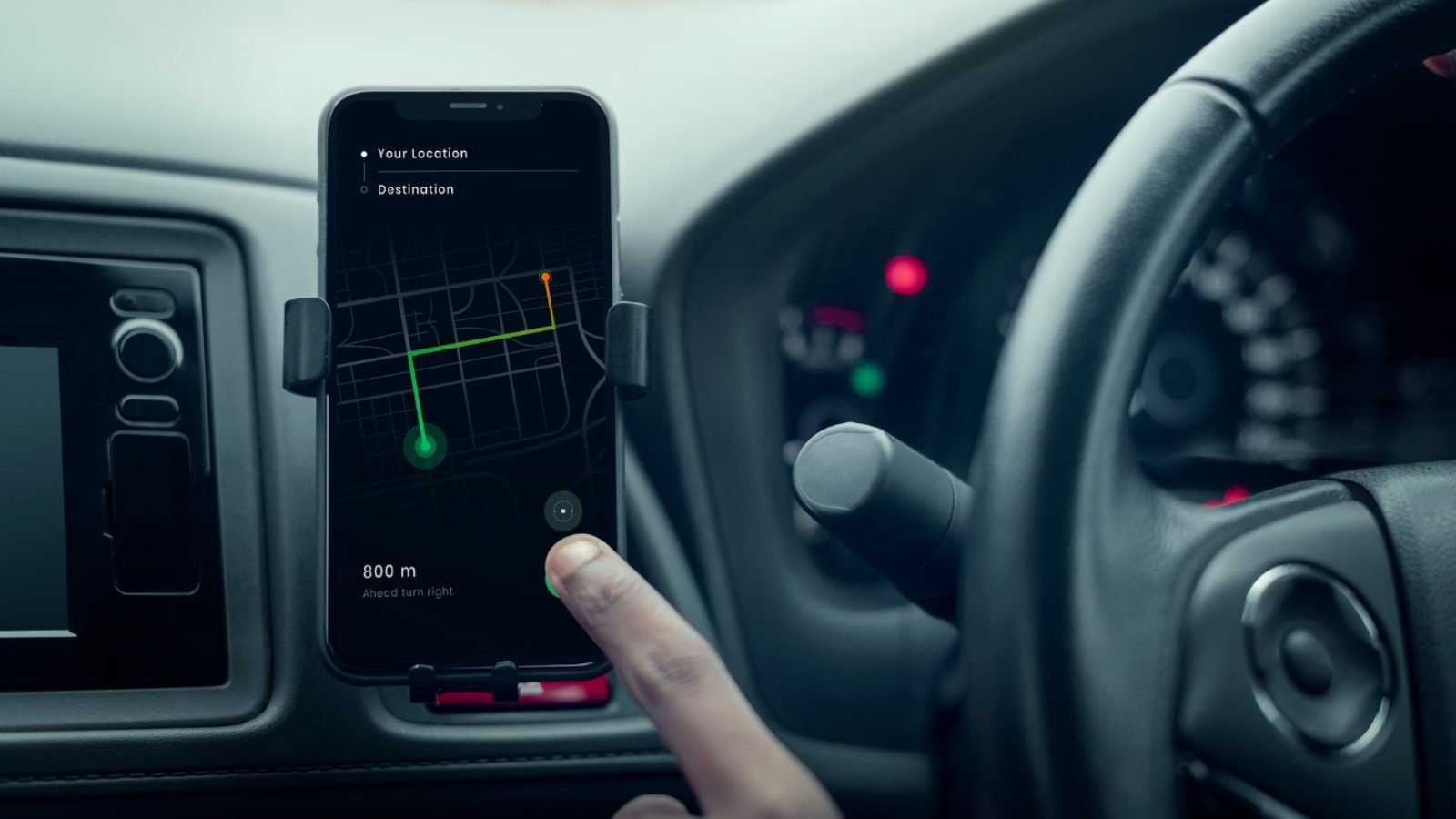
Before allowing any driverless operations, regulators become stricter and require comprehensive safety cases, incident reporting, and third-party audits. In China, safety control is frequently involved in larger smart-city projects, while in the USA, it is a combination of state departments of motor vehicles and federal guidance that decides. Europe, on the other hand, has been more cautious and has not permitted large-scale ROBOTaxi trials as fast as the US has, thus reflecting a more conservative regulatory culture.
Nevertheless, there are people who doubt the safety measures and argue that the current safety metrics are still very hard to interpret. The method of assessing the safety of self-driving cars against that of human drivers is complicated, and the media often gives isolated events exaggerated coverage. The advocates counter that the autonomous systems are not subject to fatigue, intoxication, or distraction issues, and eventually, the long-term accident rate may be lower than that of humans.
Public reception and the politics of trust
The public’s perception of ROBOTaxis differs greatly from one region to another. Research and user feedback indicate that acceptance is the highest in the Chinese test cities, where government backing and cheaper prices play an essential role in trust creation. In the USA, the positions are more divided and affected by the incidents that attracted a lot of attention, the concern over the labour situation, and the argument about the accountability of the corporation.

For the majority of first-time users, the lack of a human operator triggers a sense of anxiety that usually subsides after a successful trip. It seems that getting to know the system is the major factor leading to acceptance. Nevertheless, the opposition is very strong among the professional drivers and the unions, who consider the introduction of autonomous ride-sharing as the beginning of their end. These fears have also been part of wider political discussions around automation and social protection.
Economic and urban implications
If robotaxis are to be responsibly scaled, they can change the city transport economics, taking with them the whole world. When the cost of labour is reduced, the operators will entice the riders with prices equal to those of public transportation for the specific trips. Urban planners also foresee the traffic flowing better with fewer private cars, less parking, and more efficient road usage.
However, these outcomes are not to be counted on. If autonomous vehicles are not integrated properly, instead of reducing the number of miles driven by cars, the fleets could end up causing more traffic jams and thus congestion. It will be the taxes, pricing, and zoning that will be the most influential factors in the long run, along with transit coordination.

Conclusion
Trials of ROBOtaxis in different areas in China and the US have shown the potential and the limitations of autonomous ride-sharing. Large companies demonstrate that driverless transport is technically feasible in certain places, but the factors of public acceptance, government support, and economy still play a major role. Therefore, one could say that the introduction of autonomous ride-sharing is a very slow change rather than a breakthrough. It is going to be the algorithms and sensors together with the governance and the public trust that will determine its ultimate effect.
