

Highlights
- Samsung will bring Google Photos natively to its AI TVs in 2026, enabling cinematic photo and video viewing on large screens.
- A phased rollout introduces curated Memories first, followed by AI-powered creative tools and personalised slideshows.
- The feature aims to turn TVs into shared memory hubs, encouraging families to relive moments together.
- This integration fits Samsung’s broader strategy of using AI to make home devices more personal and intuitive.
Samsung AI TVs are set to become more personal in 2026, as Samsung Electronics brings Google Photos natively to its AI-powered television lineup, transforming living rooms into shared memory spaces. This integration reflects how tech companies increasingly aim not just to entertain, but to help families and friends reconnect around the meaningful moments captured on mobile phones.
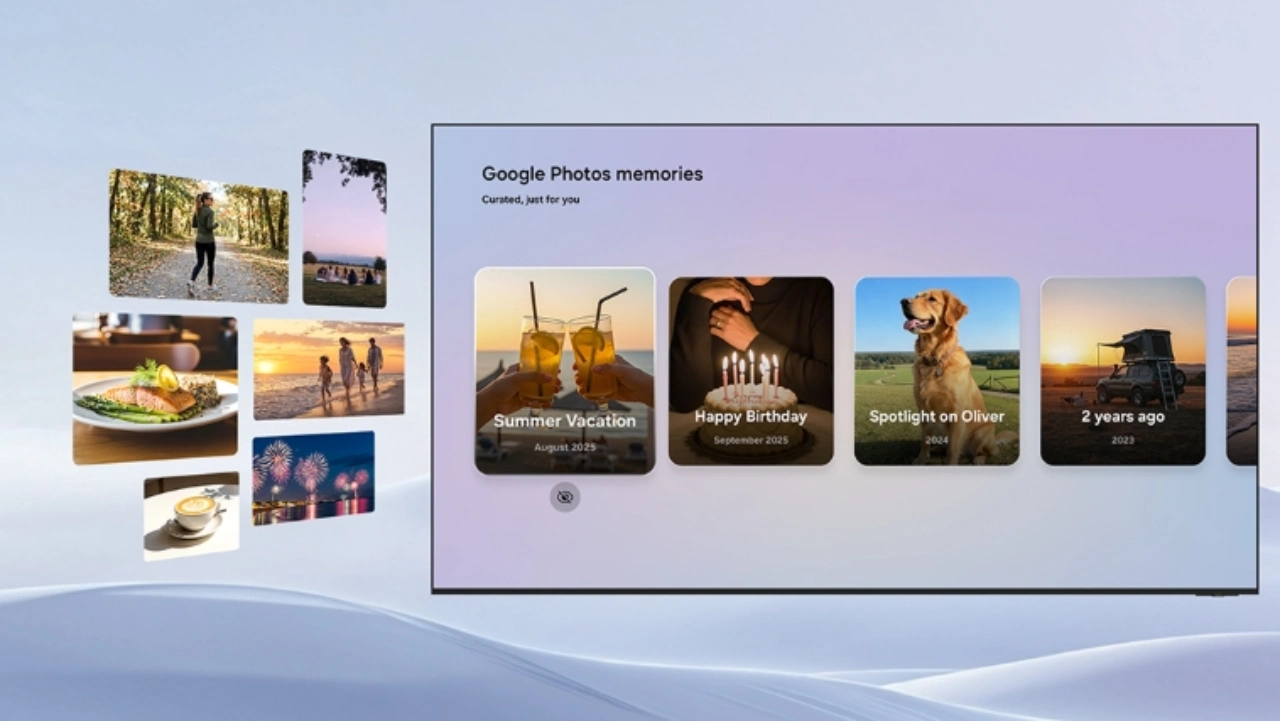
At its core, this initiative is about making memories more vivid and communal. Rather than scrolling through photos on a small phone screen, users can view their photos and videos in a cinematic gallery experience on Samsung’s large living-room displays, creating a sense of presence and nostalgia that resonates in everyday life.

A Three-Stage Experience for Memories
Samsung and Google have outlined a phased rollout that reflects both immediate usefulness and future creative potential:
- Memories: Beginning early in 2026, Samsung TVs will debut curated “Memories,” organised by people, places, and significant moments. This feature will be exclusive to Samsung TVs for the first six months after launch, giving users a unique large-screen experience.
- Create with AI: Later in 2026, Samsung plans to introduce generative features powered by Google DeepMind’s Nano Banana model, including AI-driven templates, artistic editing, and the ability to turn still images into short videos. These creative tools will allow individuals and families to playfully reimagine their photos in ways that feel personal and expressive.
- Personalised Results: Also rolling out later in the year, this feature will automatically group slideshows based on themes such as travel destinations, outdoor activities, or family events, providing tailored storytelling directly on the TV.
According to Samsung executives, the experience is designed to be simple and inviting: users will sign in with their Google account on their TV and see their backed-up photos appear without complex setup.

This phased approach highlights Samsung’s aim to make its TVs not just entertainment centres but memory hubs that enrich users’ everyday digital lives. The integration also illustrates a broader trend in consumer tech: blurring the boundary between productivity, creativity, and home life.
Why This Matters for Families and Everyday Users
For many people, photos are more than files; they are emotional bookmarks that anchor life’s ups and downs, the significant milestones, and the quiet moments. Bringing those photo libraries into shared spaces like the living room encourages families to slow down together and revisit their personal histories. Samsung sees this as part of a larger vision for its AI TVs: becoming devices that strengthen connection, not just deliver content.
It’s also a recognition of how people already interact with their photos. While most smartphones and cloud services make it easy to take and store pictures, reviewing them tends to happen in isolation, often on phones or small tablets. Samsung’s large displays offer an opportunity to flip that dynamic, turning solo browsing into a social moment, whether during holidays, reunions, or quiet evenings at home.

Integration Within Samsung’s Broader AI Strategy
This Google Photos feature isn’t an isolated update; it fits into Samsung’s broader push toward AI-enhanced living spaces. The company has been incorporating generative AI and intelligent interfaces into its devices, from smart fridges that recognise food items to TVs that assist with on-screen content via Vision AI. Adding Google Photos to that ecosystem reinforces the idea that connected devices should feel personal, practical, and intuitive.
Importantly, while Memories will launch first on Samsung TVs, the broader integration may set a precedent. The Verge notes that this could open the door for other television platforms to eventually offer similar experiences once Samsung’s exclusivity period expires, suggesting a future where large-screen photo browsing becomes a standard feature rather than a niche offering.
Conclusion
The rollout timeline, starting in early 2026 with simple, curated memories and expanding to include advanced AI tools later in the year, reflects a thoughtful balance between immediate value and long-term creative potential. It gives users something familiar and emotionally resonant right away, while building toward experiences that feel fresh and imaginative.

For billions of people who capture millions of photos every day, this integration represents a small but meaningful shift: letting technology help us pause, reflect, and share not just what entertains us, but what truly matters in an age where screens often distract, using them to bring people together around memories feels, for many, like a welcome turn toward the humane side of digital life.