


Highlights
- Next-gen satellite internet for smartphones enables emergency messaging beyond cellular coverage.
- Apple and Samsung are adding satellite features to smartphones. These features focus on emergency messaging and basic communication.
- Low Earth orbit satellite networks are essential for enabling direct-to-device connectivity with low latency.
- Satellite-enabled smartphones could change connectivity in remote, underserved, and disaster-stricken areas.
Smartphones have changed how people communicate, navigate, and access information. Still, they rely heavily on ground networks like cellular towers and fiber infrastructure. In remote areas, disaster zones, and places with low populations, these networks often fail or don’t exist at all. Satellite connectivity for smartphones offers a solution by allowing direct communication between devices and satellites in orbit.
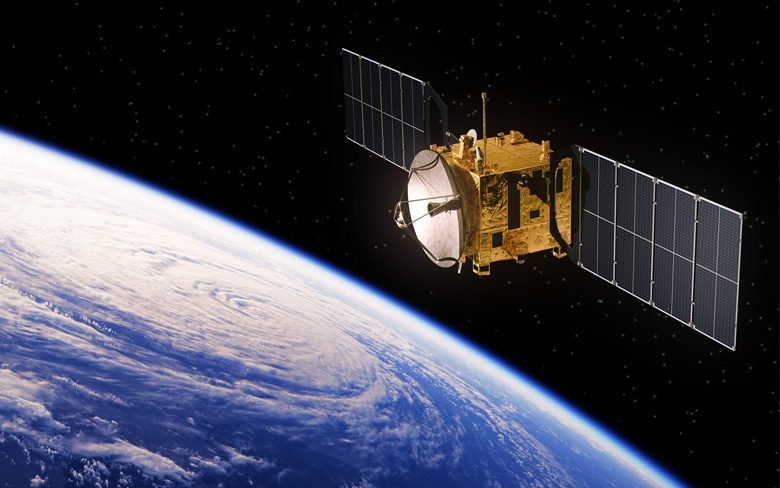
With major brands like Apple and Samsung starting to add satellite features to their phones, the chance for global, constant connectivity is becoming more realistic. However, there are still many technical, regulatory, and economic challenges to overcome before satellite internet for smartphones can truly expand worldwide.
Understanding Satellite Connectivity on Smartphones
Satellite connectivity in smartphones is different from traditional satellite phones. Instead of using large hardware and dedicated antennas, modern smartphones use small components and software to connect with low Earth orbit (LEO) satellites. These systems mainly focus on low-bandwidth tasks like emergency messaging, location sharing, and basic communication rather than extensive internet browsing.
The current method centers on direct-to-device communication, removing the need for specialized terminals. By taking advantage of improvements in satellite technology, signal processing, and power efficiency, smartphone makers want satellite connectivity to work smoothly as a part of existing mobile networks.
Apple’s Approach to Satellite Communication
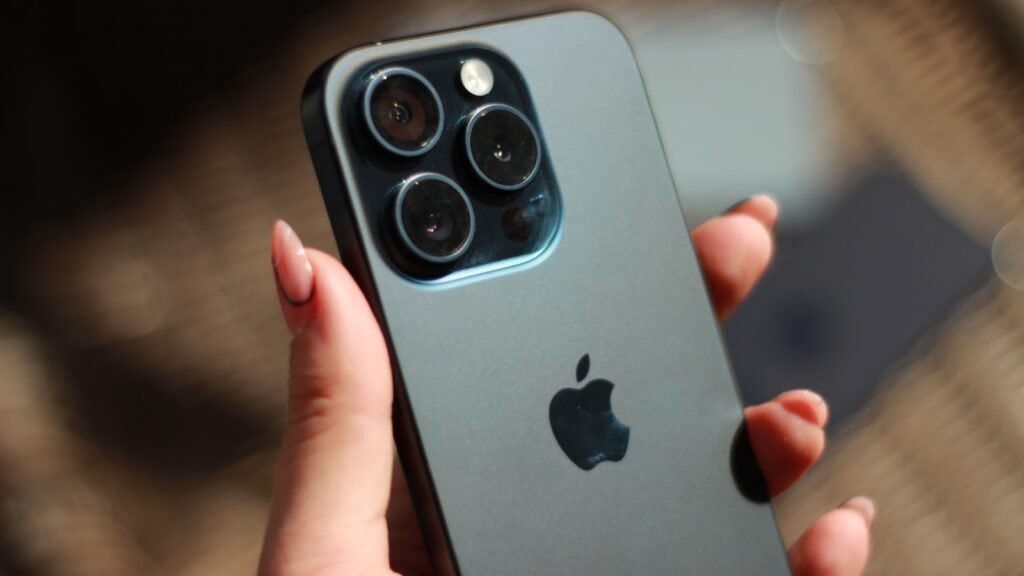
Apple was one of the first major smartphone companies to widely introduce satellite features. Its satellite connectivity mainly serves as an emergency service, enabling users to send distress messages and location information when cellular and Wi-Fi networks are down. This feature is well integrated into the operating system, showing users how to position their phones for the best signal.
Apple’s strategy focuses on reliability and safety instead of high-speed data. By limiting use to emergencies and urgent communication, the company manages power usage and ensures steady performance. This careful rollout reflects both the technical challenges of current satellite systems and the need for regulatory compliance in different areas.
Samsung and the Android Ecosystem
Samsung and other Android device makers are looking into satellite connectivity, often partnering with satellite service providers and chipset manufacturers. Unlike Apple’s controlled ecosystem, the Android space has many players, including device makers, modem suppliers, and network operators. This complexity can slow deployment, but also allows for more flexibility and innovation.
Samsung aims to integrate satellite capabilities into its flagship devices, focusing on messaging and emergency communication. As the technology develops, Android manufacturers may broaden satellite features to include limited data services, especially in regions with weak ground coverage.
The Role of Satellite Networks and Providers
The success of satellite internet for smartphones greatly depends on satellite networks’ capabilities. LEO satellite constellations are especially suitable for direct-to-device communication due to their lower latency and closeness to Earth compared to traditional geostationary satellites. These constellations need hundreds or thousands of satellites to ensure constant global coverage.
Satellite providers also have to manage spectrum allocation, ground infrastructure, and compatibility with existing mobile networks. Coordinating these factors globally is complex, requiring cooperation between private companies, governments, and international regulatory bodies.
Benefits for Remote and Underserved Regions
Satellite connectivity can greatly improve communication in remote and underserved areas. For communities without stable cellular infrastructure, direct satellite access can enable basic communication, emergency responses, and access to essential services. This is particularly important in rural areas, maritime environments, mountainous regions, and developing economies where building traditional networks is expensive or impractical.
In disaster situations, satellite-enabled smartphones can offer crucial support when ground networks are damaged or overwhelmed. This capability improves public safety and resilience, making satellite connectivity a valuable addition to existing communication systems.
Technical Challenges and Limitations
Despite its potential, satellite internet for smartphones faces various technical challenges. Power consumption is a significant concern, as connecting with satellites uses more energy than connecting to nearby cell towers. Manufacturers need to carefully balance functionality with battery life for usability.
Bandwidth and speed are limited. Current smartphone satellite features are designed for text communication rather than voice or data-heavy applications. Achieving true internet access via satellite on a smartphone would require significant enhancements in antenna design, signal processing, and satellite capacity.

Regulatory and Policy Barriers
The global rollout of satellite connectivity is hindered by regulatory and policy challenges. Spectrum allocation varies by country, and satellite services must follow national communications laws. Getting approvals in different regions can be slow and politically intricate.
Data sovereignty, security, and lawful interception are also concerns. Governments may require access to communication data or impose restrictions on satellite services, affecting how and where features can be offered. These regulatory hurdles significantly impact the global adoption timeline.
Economic Viability and Cost Considerations
The cost of satellite connectivity is another crucial factor. Building and maintaining satellite constellations is expensive, and these costs need to be balanced by service fees or partnerships. Smartphone manufacturers might initially subsidize satellite features to encourage adoption, but long-term sustainability will require profitable business models.
For consumers, pricing will shape adoption rates. If satellite services are seen as premium extras, their reach may be limited. More affordable pricing could enable wider access, particularly in areas that would benefit most from better connectivity.
When Will Satellite Internet Truly Go Global?
Achieving truly global satellite internet for smartphones will probably be a gradual process rather than an instantaneous breakthrough. In the near term, satellite features will mainly focus on emergency communication and limited messaging. Over time, as satellite networks grow, technology improves, and regulatory systems evolve, more advanced services may become available.
Wide-ranging global coverage will require international cooperation, standardization, and ongoing investment in satellite infrastructure. The shift from niche features to mainstream connectivity could take several years, influenced by both tech developments and policy choices.
The Broader Impact on Mobile Connectivity
Satellite connectivity represents a major change in how smartphones connect to the world. Instead of relying solely on ground-based networks, devices can access a global network that spans borders and geography. This change affects not just consumers, but also emergency services, governments, and industries that need reliable communication.

As satellite features become more common in smartphones, they may change expectations about connectivity, pushing the industry towards a future where coverage gaps are rare.
Conclusion: A Promising but Evolving Technology
Satellite internet for smartphones is no longer a general idea; it is becoming a reality driven by advances from major brands and satellite providers. While current implementations have limitations, they show the potential for more inclusive and reliable connectivity. Technical, regulatory, and economic challenges still need to be resolved for a fully global rollout.
In the years ahead, the development of satellite-enabled smartphones will depend on cross-industry and cross-border cooperation. If these challenges are handled well, satellite connectivity could become a standard feature, bringing the world closer to universal mobile access.