

Highlight
- Late-night screen time affects sleep more than total daily use, with timing and brightness playing a bigger role than hours spent on screens.
- Phones disrupt sleep the most because close, bright, and active use keeps the brain alert and delays melatonin release.
- Small habit changes improve sleep quality, including lowering screen brightness, slowing mental activity before bed, and keeping sleep routines consistent.
Screens are part of life now. Millions of Americans (and others across the Globe) will wake up, grab their phone, look at it before getting out of bed, and then go to work at a computer screen. During the evenings, many people unwind from a busy day at their computer screens, and even after the lights go out, their cell phones provide “night lights,” so they no longer have to lie in the dark without distraction by checking their phone displays.

As a result, sleep disorders have now become endemic, with some people saying they still feel fatigued after a sound night of sleep and take an exceptionally long time to fall asleep. Some wake up again and again at night.
Screens get blamed quickly. Some people say screens have ruined sleep for everyone. Others say screens do nothing, and sleep problems are just stress. Science does not agree with either side.
The truth is simpler and less dramatic. Screens do affect sleep, but only in certain ways. The problem is not screens alone. It is how they are used, especially at night.
How Sleep Really Works
Sleep is not controlled by the eyes. It is controlled by the brain. Your internal body clock influences how you feel alert or sleepy; light is the primary environmental cue for your internal body clock.
When you see or feel sunlight, your brain knows that it is morning; this also keeps you awake and alert. When the sun goes down, your brain releases melatonin over time. Melatonin helps you relax and prepare to sleep.
Sleep pressure is another factor that increases as the day goes on; the more hours you are awake, the more your body is looking for rest. Healthy, restorative sleep occurs when your internal body clock aligns with your sleep pressure levels. If either one of these systems becomes unbalanced, sleep-related issues begin to arise.
Why Screens Affect Sleep
Screens affect sleep for three simple reasons. First, screens give off light at night, when the body expects darkness. Second, screens keep the brain busy. Third, screens slowly push bedtime later without people noticing. None of this means screens are evil. It just means timing and habits matter.
Blue Light and Night Time
Blue light is talked about a lot. It often sounds scary, but it is not always bad. Blue light from the sun helps people stay active during the day. It improves focus and mood. The problem is blue light late at night.

Studies show that blue light at night can lower melatonin and delay sleep. But this does not happen equally for everyone or every screen. Brightness matters. Distance matters. Time matters. A bright phone held close to the face at midnight affects sleep more than a TV across the room at 8 pm.
One short check of the phone will not ruin sleep. Long, late, and bright use causes trouble.
Phones Are the Biggest Problem
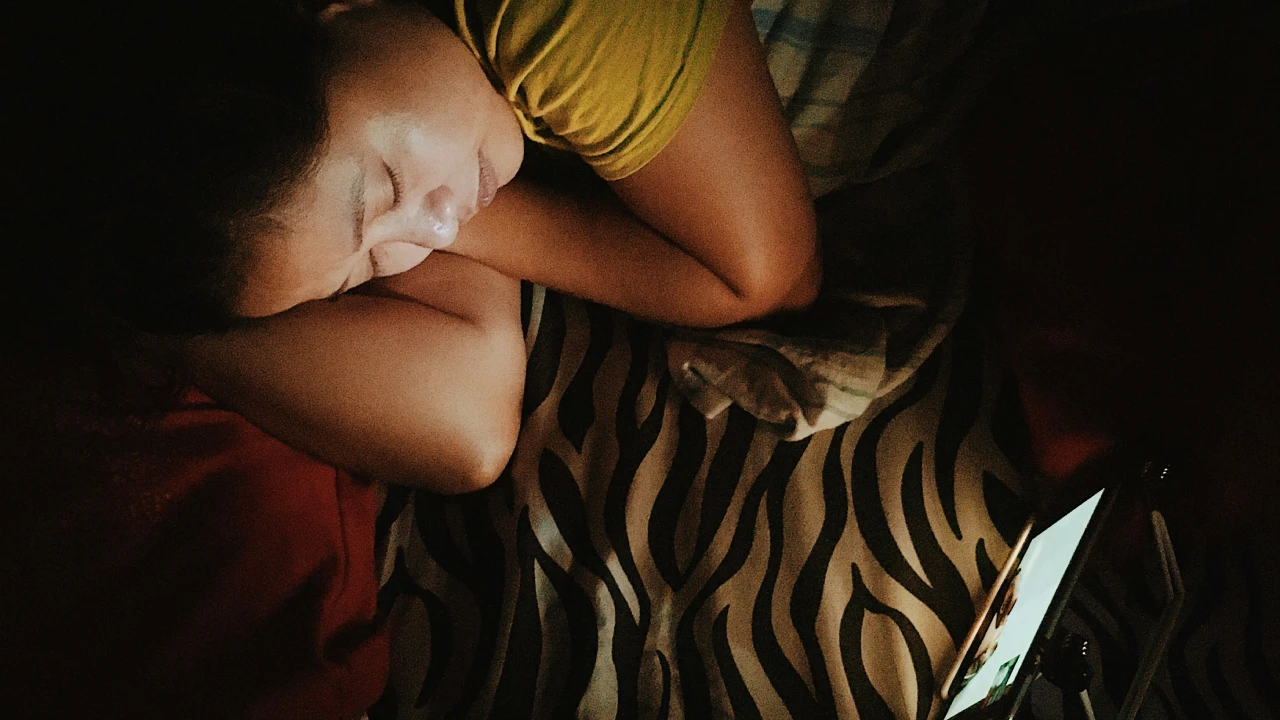
Phones affect sleep more than other screens. People hold phones very close to their eyes. They use them in bed. They use them in the dark. This combination makes the brain think it is still daytime.
Laptops and tablets have a moderate effect. TVs usually affect sleep less because people sit farther away. This is why people who scroll on their phone in bed often struggle more with sleep.
Timing Matters More Than Screen Hours
Many people worry about how many hours they spend using screens in a day. Science shows that this is not the main issue. Using screens during the day does not harm sleep. Office workers, students, and remote workers use screens all day and still sleep fine.
The real problem starts late at night. Studies show that screen use in the last one or two hours before bed is linked with falling asleep late, shorter sleep, and feeling tired in the morning. It is not about total use. It is about late use.
The Brain Is the Bigger Issue
Light is only one part of the story. The brain plays a bigger role. Being active on social networks, reading the news, writing to others, checking e-mail, and playing games keeps your brain working and being on alert instead of going to sleep due to inactivity.
This is the reason you are waking up when you were tired before you used your phone. You can have blue light filters, but still, if the content you see or read is exciting or stressful, your brain will not rest.
Watching vs Using
There is a big difference between watching and using a screen. Watching a calm show or video is passive. The brain does not work much. This kind of screen use affects sleep less.
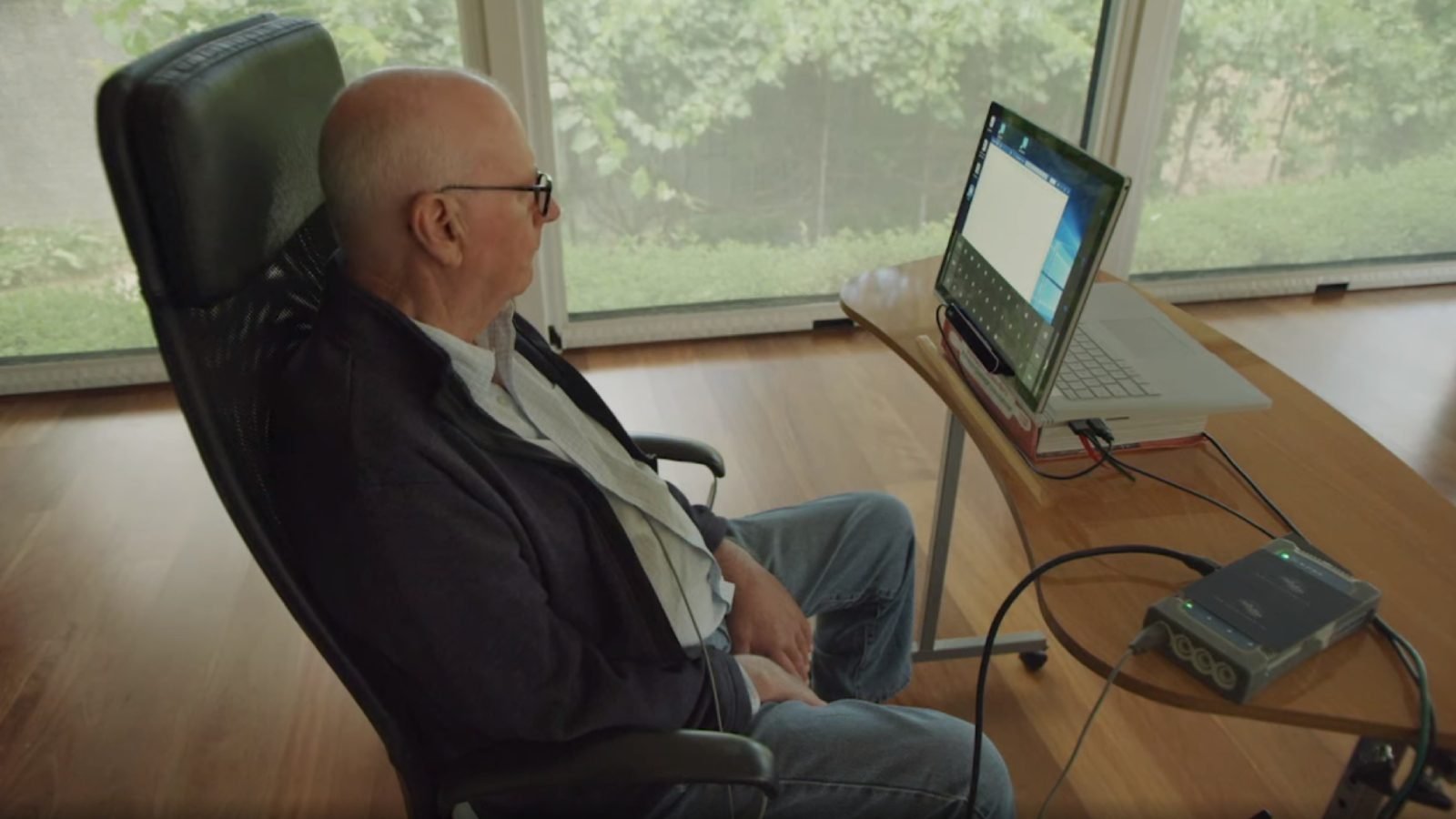
Using a screen is active. Messaging, scrolling, gaming, and working require thinking and reaction. Active use keeps the brain awake. This is why many people can fall asleep after watching TV but stay awake after using their phone.
Screen Time and Sleep Quality
Sleep problems are not only about falling asleep late. Quality matters. Late-night screen use is linked with lighter sleep, more wake-ups, and less deep sleep. People may sleep for seven or eight hours but still wake up feeling tired. This happens because the brain does not fully rest.
Do Night Modes Really Help?
Most devices now have night mode or warm color settings. These reduce blue light and make screens easier on the eyes. Research shows that these features help a little. They reduce eye strain and slightly reduce melatonin problems.
But they do not fix everything. If screen use is long or mentally active, night mode alone is not enough. It helps, but it is not a full solution.
What Actually Helps Sleep
Science does not ask people to stop using screens completely. That is not realistic. What helps is reducing bright light at night and slowing the brain before sleep.
Lower screen brightness in the evening. Avoid very bright screens in dark rooms. Try to stop heavy screen use before bed. Even a short break from screens before sleep helps the brain relax.
Phones and the Bed
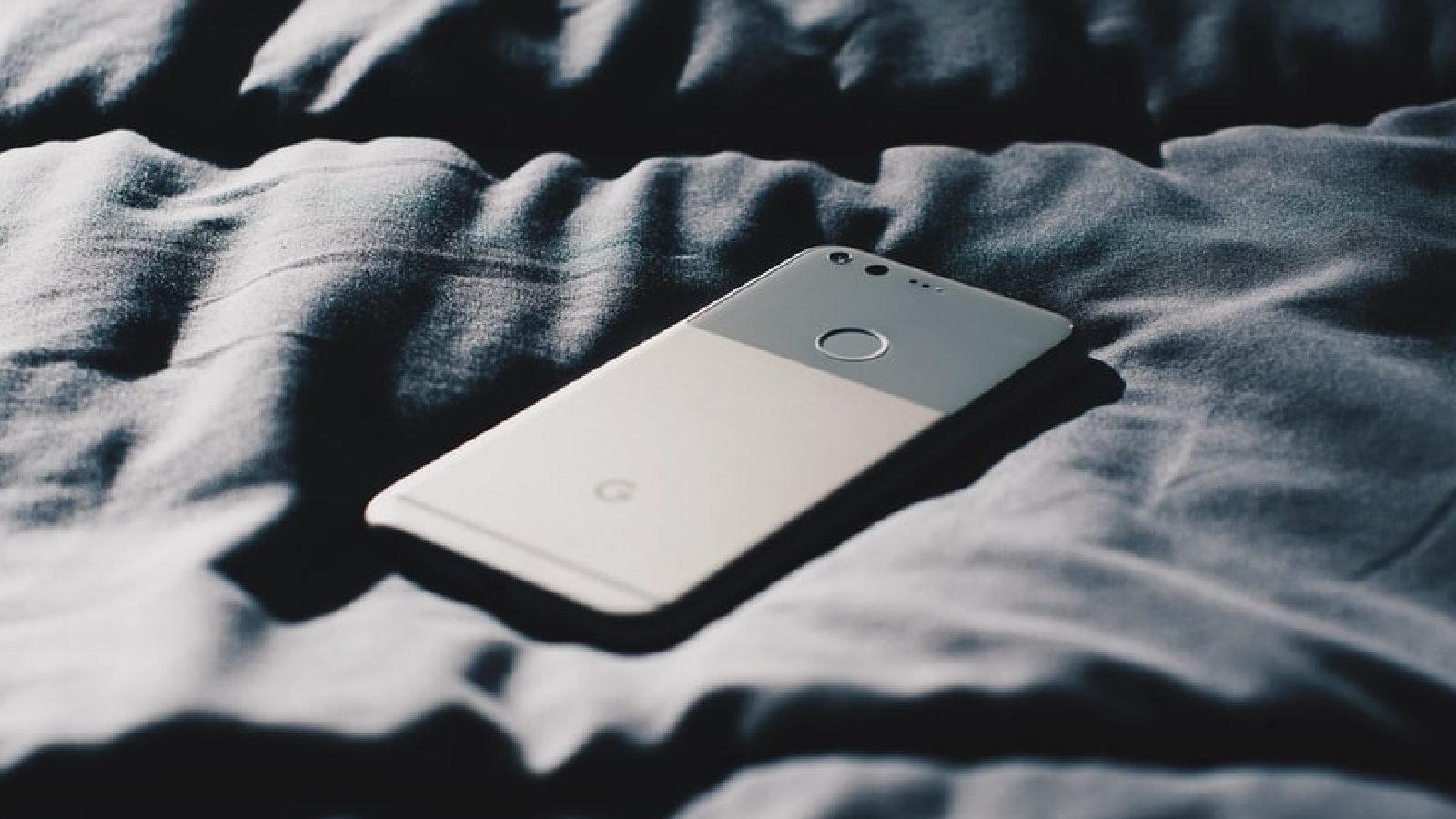
Keeping the phone near the bed causes problems. People check notifications. Even one alert can break sleep. Many people wake up and check their phones without thinking. Keeping the phone away from the bed reduces this habit. Charging it outside the bedroom helps many people sleep better. It is not about willpower. It is about removing temptation.
Morning Light Matters Too
Sleep health is not only about night habits. Morning light is important. Natural light in the morning helps reset the body clock. This makes it easier to fall asleep at night. Even a short walk outside in the morning can improve sleep timing.
Work Screens at Night
Work screens at night are worse than entertainment screens. Work increases stress. It keeps the brain in problem-solving mode. This makes it harder to relax. If night work cannot be avoided, stopping work some time before bed helps. Using warm screen settings also reduces strain.
Routine Makes a Big Difference
Irregular sleep times make screen problems worse. Going to bed and waking up at similar times trains the body clock. Big changes on weekends confuse it. A steady routine helps people sleep more than they expect.
Common Myths
Science does not say that any screen use at night destroys sleep. It also does not say that screens are the only cause of sleep problems. Stress, caffeine, food timing, exercise, and mental health matter too. Screens are part of the picture, not the whole picture.
What Science Is Clear About
Late-night screen use affects sleep. Timing matters more than total use. The brain matters as much as light. Small changes help. Perfect habits are not needed.

Final Thoughts
Screens are not the enemy. They are part of modern life. Sleep improves when screen use is calmer and better timed. Lower light at night. Slow the mind before bed. Keep sleep times steady. That is what science actually says.