



Highlights
- Smart clothing seamlessly embeds sensors into everyday apparel for continuous, comfortable monitoring
- Continuous health and fitness monitoring works without extra gadgets or screens
- Wearable technology blends naturally into daily life through comfort-focused design
For much of the past decade, wearable technology has been defined by what we strap on: smartwatches, fitness bands, rings, and earbuds. These devices sit on the body, clearly recognisable as technology. In 2025, however, a quieter transformation is underway. Sensors, connectivity, and computing are moving into clothing itself, woven into fabric, stitched into seams, and embedded so subtly that the garment looks and feels ordinary.
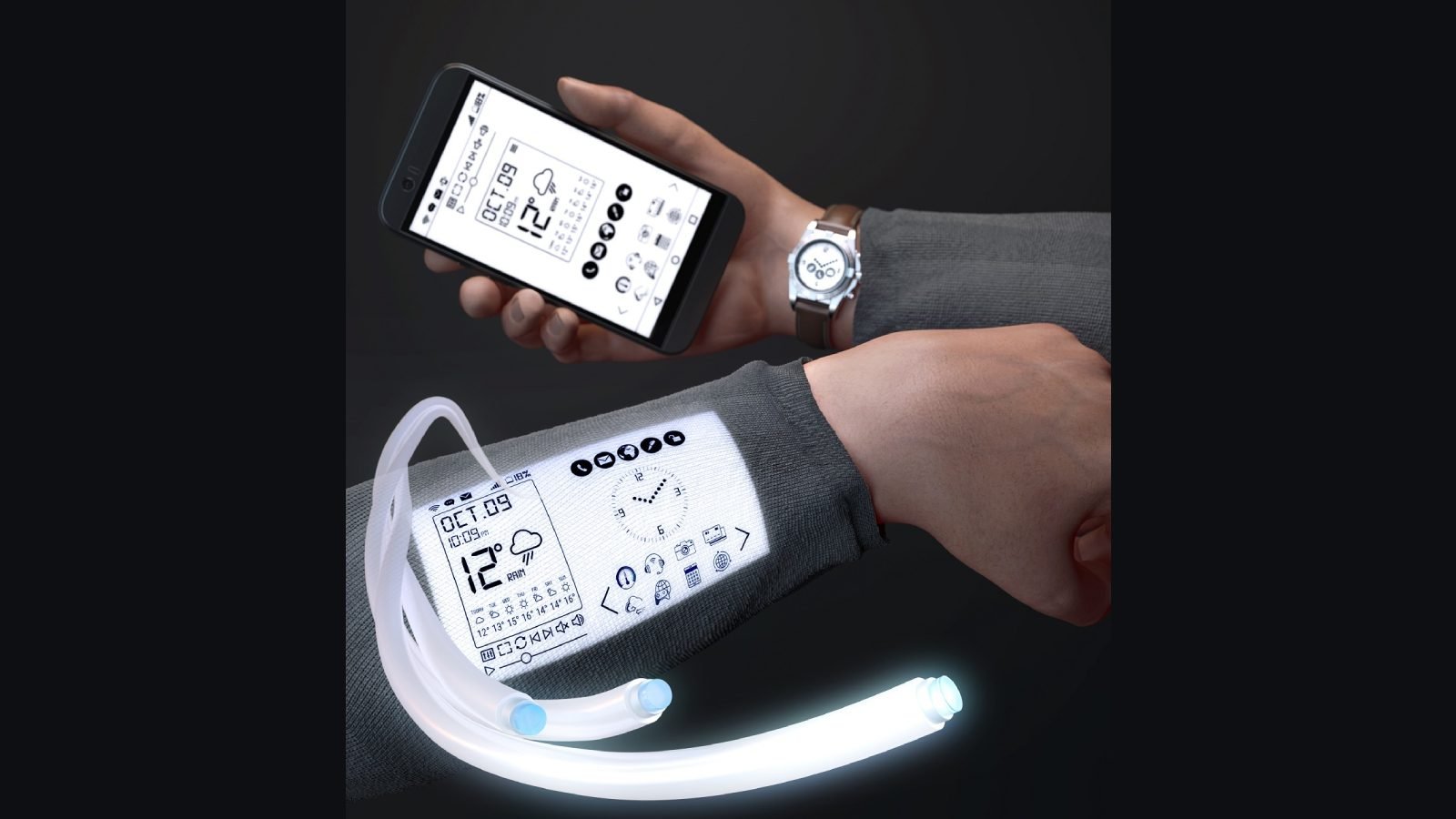
Smart clothing promises something earlier wearables struggled to achieve: continuous, comfortable, and unobtrusive interaction with the human body. But how far has this technology really come, and what stands in the way of widespread adoption?
This feature article explores the current state of smart clothing and its applications in fitness and health, the technology behind it, and the human factors shaping its future.
What exactly is “smart clothing”?
Smart clothing refers to garments that incorporate sensors, conductive fibres, or embedded electronics capable of collecting data, communicating with devices, or responding to environmental input. Unlike traditional wearables, smart garments do not require users to remember to put on a device; they are already wearing them.
Most smart clothing today focuses on:
- Biometric tracking (heart rate, respiration, muscle activity)
- Motion and posture analysis
- Temperature and pressure sensing
- Touch or gesture-based controls
Crucially, these functions are designed to operate without rigid components, maintaining the flexibility, comfort, and washability expected of everyday apparel.
Fitness and performance: the most mature use case
Athletics and fitness have been the earliest and most successful testing grounds for smart clothing. Smart shirts and compression garments can track heart rate, breathing patterns, and muscle engagement more accurately than wrist-based devices. Because fabric-based sensors sit closer to the body and maintain consistent contact, they reduce signal noise caused by movement or a loose fit.
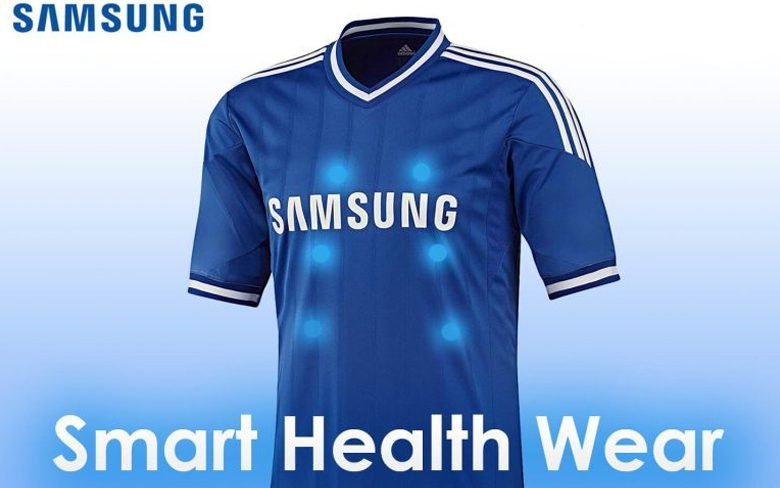
Products like sensor-embedded athletic tops used by professional teams allow coaches to monitor fatigue, recovery, and injury risk in real time. For elite athletes, these insights can make the difference between peak performance and overtraining.
For everyday users, the appeal is simpler: better data without another gadget to charge or remember.
Health monitoring beyond the clinic
Healthcare is where smart clothing’s long-term potential becomes most compelling. Garments capable of continuous monitoring can capture trends that short clinical visits miss. Subtle changes in respiration, posture, or heart rhythm may indicate early signs of illness or deterioration, especially in elderly or chronic-care patients.
Companies such as Hexoskin have developed biometric shirts used in medical research and remote patient monitoring. These garments collect clinical-grade data while allowing patients to move freely in daily life, reducing the psychological and physical burden of traditional monitoring equipment. For conditions like sleep apnea, cardiac irregularities, or post-surgery recovery, smart clothing offers a humane alternative: observation without intrusion.
Smart features woven into daily life
Not all smart clothing is about health metrics. Some garments integrate interaction rather than measurement. A notable example is the Jacquard project developed by Google in collaboration with Levi Strauss & Co. Their smart jacket incorporates touch-sensitive fibres into the sleeve, allowing wearers to control music, navigation, or calls with simple gestures.
The significance here is not the feature set, but the philosophy: technology that blends into familiar clothing, rather than demanding attention. There are no screens to stare at, no alerts to manage, just subtle interaction where it feels natural. This approach reflects a broader shift away from attention-hungry wearables toward calm, ambient computing.

How the technology actually works
Behind the scenes, smart clothing relies on a combination of innovations:
- Conductive textiles: Threads infused with metals or carbon-based materials that transmit signals
- Flexible sensors: Stretchable components that can measure strain, pressure, or bioelectrical signals
- Detachable modules: Small pods housing batteries and Bluetooth chips, removable for washing
- Edge processing: Local data processing to reduce power use and protect privacy
Most smart garments offload heavy computation to smartphones or cloud platforms, using the clothing primarily as a data-collection interface. The challenge is not functionality; it is durability. Clothing must survive sweat, repeated washing, stretching, and daily wear without degrading sensor accuracy.
Comfort, trust, and the human body
The success of smart clothing depends less on technology than on how it feels. People have an intimate relationship with their clothes. Anything that irritates skin, restricts movement, or feels unnatural will be rejected quickly, no matter how advanced the features.
Early smart garments struggled with stiffness, bulk, or awkward fit. By 2025, materials have improved significantly, but perfection remains elusive. Achieving universal sizing, long-term comfort, and consistent sensor placement across different body types is still a major hurdle. Trust is another human factor. Clothing that collects health or behavioural data raises sensitive questions:
- Who owns the data?
- Where is it stored?
- Can it be shared with employers or insurers?
Without clear answers and transparent policies, adoption will remain cautious.
Price and accessibility barriers
Smart clothing is still expensive. Sensor-embedded garments often cost several times more than standard apparel, limiting adoption to athletes, professionals, or medical programs.
Unlike smartphones, clothing is replaced frequently. Consumers expect garments to wear out or go out of style. Convincing people to invest heavily in a shirt they might replace in a year is a difficult proposition. For smart clothing to reach the mainstream, costs must fall, and durability must rise.
Cross-platform ecosystems and fragmentation
Most smart garments rely on companion apps, often tied to proprietary platforms. This creates friction. Users may already track health data through existing ecosystems such as Apple Health or Google Fit. Smart clothing that does not integrate smoothly into these platforms feels like an isolated experiment rather than a seamless upgrade.
Interoperability standards are improving, but fragmentation remains a barrier, particularly for users who value long-term data continuity.
Where smart clothing makes sense today
Despite limitations, smart clothing already excels in specific contexts:
- Professional sports and training
- Medical monitoring and rehabilitation
- Workplace safety (detecting fatigue, posture strain, or environmental exposure)
- Research and data collection
In these settings, the value of continuous, high-quality data outweighs cost and complexity.
When will smart clothing go mainstream?
The most realistic path to mainstream adoption is gradual, not explosive. Over the next five to ten years, smart features are likely to become selectively invisible: small sensing capabilities embedded into specific garments like sports bras, work uniforms, and medical wear, rather than all clothing becoming “smart.”
As materials science improves and costs decline, consumers may stop thinking of smart clothing as a category at all. It will simply be clothing that does a bit more.
Conclusion
Smart clothing represents a subtle but profound shift in wearable technology. Instead of asking humans to adapt to devices, it asks technology to adapt to the body to move, stretch, breathe, and exist alongside us without demanding attention. The road to mass adoption is still long. Technical durability, privacy trust, pricing, and design remain significant challenges. But the direction is clear.

When smart clothing succeeds, it will not announce itself with screens or notifications. It will work quietly, in the background of daily life: measuring, supporting, and responding without being noticed. And in a world saturated with digital noise, that restraint may be its greatest innovation.