


Highlights
- Smart helmets are transforming rider safety with AI, HUDs, crash detection, cameras, and real-time alerts.
- Significant gaps remain around pricing, regulations, durability, privacy, and tech dependence among riders.
- India and the Asia-Pacific have significant life-saving potential, but adoption depends on affordability, standards, and integration with emergency response systems.
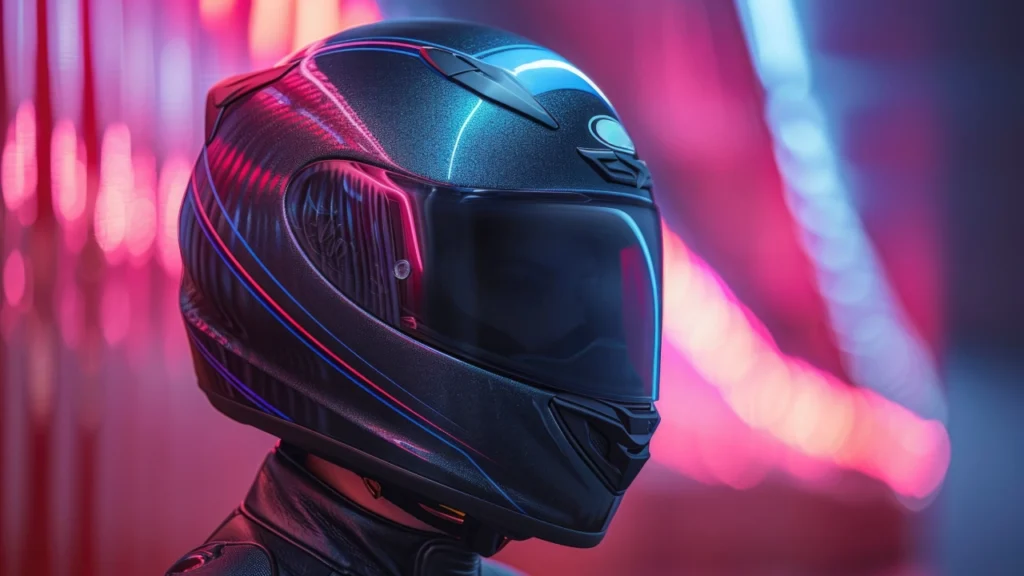
The motorcycle helmet has historically been a rider’s most loyal companion – a simple shell between life and death. But what happens when that shell gets “smart”? Imagine a helmet that not only protects your head, but also calls for help in an accident, warns you of blind spots, and projects directions right in front of your eyes.
Welcome to smart helmets – where safety meets new technology powered by AI and automation.
This article dives into what’s new in smart helmets, what everyone is already saying online, and what’s still missing from the conversation – including how these intelligent headgears are reshaping biker safety across the world.
What’s Missing from Most Discussions
Across major publications, some critical perspectives are barely touched:
- Rider behavior: What happens when bikers start relying on HUDs and alerts instead of instincts? Could excessive faith in technology increase safety risks?
- Price and accessibility: Smart helmets generally range from $700 to $1,500, which is out of reach for the average daily commuter in India, Vietnam, or Indonesia.
- Data privacy: Smart helmets equipped with cameras, GPS, and microphones generate a large volume of data; who owns that data, and is it sufficiently secure?
- Durability and battery life: When faced with outdoor temperatures, rain, or the daily commute, it seems many reviews don’t mention the durability of smart helmets, given the experience with these factors in the wild.
- Regulatory standards: With so much technology in smart helmets, what measures are taken to ensure they comply with safety certifications such as DOT, ECE, or ISI?
These missing angles show where most tech coverage stops short – at the product announcement stage. But real journalism digs into how innovation fits into people’s lives. That’s what this feature focuses on next.
From Shell to System: How Smart Helmets Work
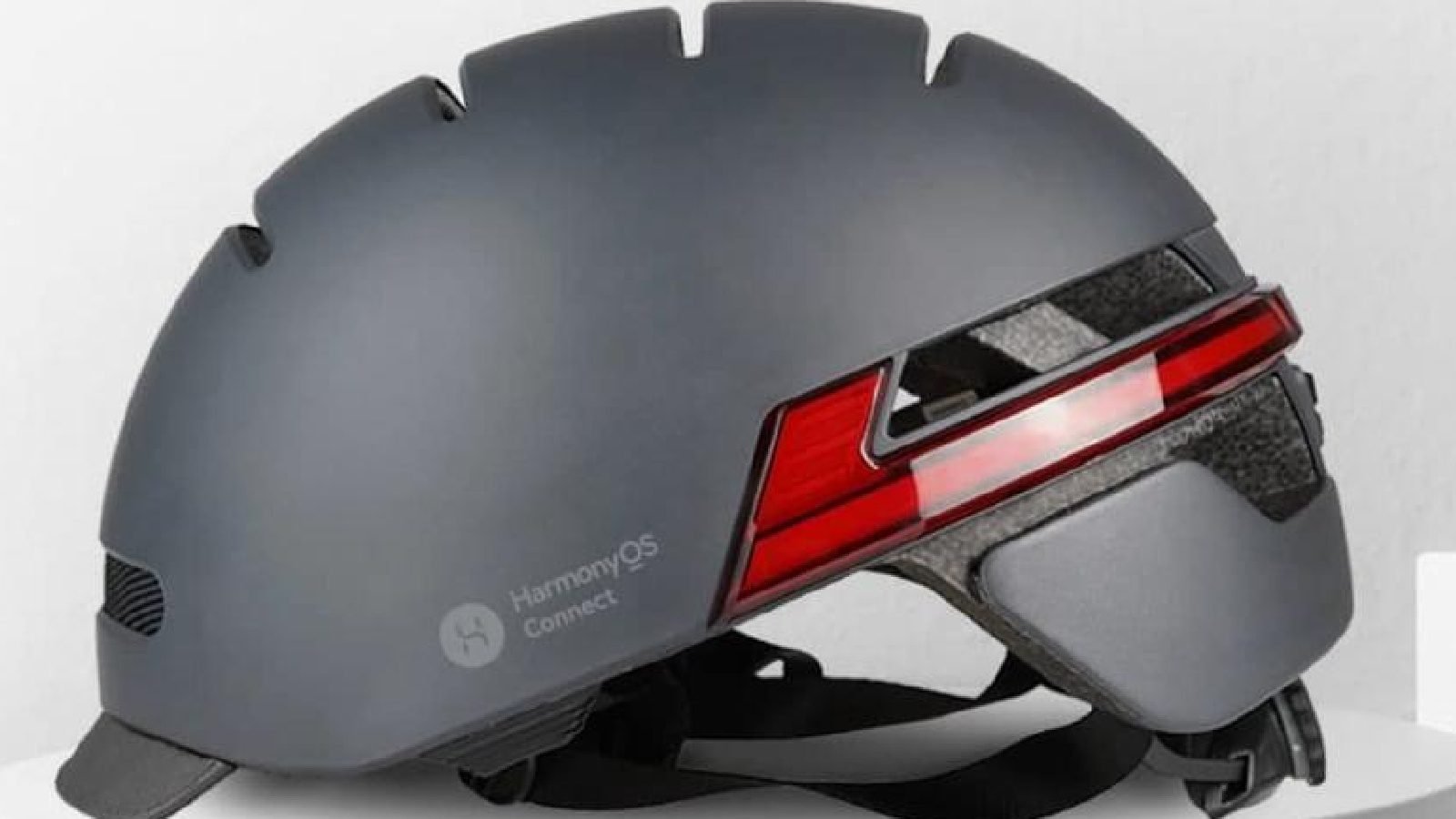
Would-smart helmets not only be a technology product, but also an innovative helmet safety ecosystem. Within that carbon-fiber or polycarbonate shell, there are multiple levels of technology interacting together:
- Sensors provide data on acceleration, pressure, tilt, or impact.
- Cameras allow for rear or side viewing – improvements to reduce blind spots..
- Microphones and speakers for voice command and communication.
- An AI process can detect motion or a collision in less than a second.
- The connector (Bluetooth, LTE, or Wi-Fi) connects the helmet to your tablet or phone or to the cloud.
All of these are components that transform a passive safety device into an active protector, which, through sensors, for instance, detects a reduction in speed or a total lack of motion and sends an SOS and GPS location to emergency contacts.
Some helmets even integrate with bikes — relaying tire pressure, battery health, or traffic data directly to the rider’s visor.

The Role of AI and Automation in Modern Helmets
AI is no longer a buzzword here — it’s what makes a helmet “smart.” Through machine learning and sensor fusion, modern helmets can distinguish between everyday bumps and real crashes.
Take the IC-R Helmet featured by New Atlas — it uses AI-powered voice commands, a rear-camera feed, and even facial recognition for locking/unlocking. Or consider the Forcite MK1S, which combines AI alerts with an edge-lighting system that flashes colors depending on navigation or hazards.
AI also powers predictive alerts – for example, if a vehicle approaches fast from behind, the helmet vibrates or flashes a warning before the rider even turns. This automation layer gives riders a few critical extra seconds – often enough to prevent a collision.
The Behavioral Shift – When Tech Meets the Road
Smart helmets aren’t just changing safety – they’re reshaping rider psychology.
In traditional riding, awareness relies on skill: mirror checks, shoulder glances, instinctive scanning. With smart helmets offering real-time visuals and alerts, riders may start depending more on the device than their senses.
That’s both powerful and risky.
While tech can reduce blind spots, it can also create tech dependence — a false sense of security. Experts suggest that training programs and awareness campaigns must evolve alongside the technology. A helmet can warn you, but it can’t make decisions for you.

In countries like Japan, Germany, and India, where motorcycle safety training varies widely, this balance between human awareness and AI assistance will define the next decade of road safety.
Market Trends and Regional Adoption
According to Roots Analysis, the global smart helmet market was worth around $0.7 billion in 2024 and is expected to grow at over 15% CAGR through 2030.
The growth drivers are clear: rising accident rates, increasing disposable income, and the boom in connected mobility.
But adoption looks very different by region:
- North America & Europe: Premium brands like Sena, Forcite, and Shoei dominate. Riders value connectivity, AR displays, and design.
- Asia-Pacific: India, Indonesia, and Vietnam account for most two-wheeler riders — but here, price and battery life matter more than AI. Startups like Altor Smart Helmet and Jarvish are working on affordable versions with limited features, such as crash alerts and navigation.
As costs drop and awareness grows, Asia is expected to become the largest market for smart helmets by 2027.

However, regulations still lag behind innovation. India’s BIS or ISI standards don’t yet have clear frameworks for electronic helmets — a gap that must be addressed before mass adoption.
Core Features That Define the Smart Helmet Revolution
Heads-Up Display (HUDs)
Heads-up displays (HUDs) will show important information such as navigation, speed, and incoming calls directly in your line of sight, helping prevent distractions and the need to look down at a phone or GPS mount.
360-Degree Cameras
The mounted cameras on the rear and sides allow for viewing of what happens behind the biker. They can also record ride footage for insurance or vlogging – another feature becoming popular among delivery cyclists and urban commuters.
Crash Detection and SOS Alerts
The helmet has gyroscopes and accelerometers to monitor movement. If there is a collision and an impact is detected, and no further movement occurs, an SOS alert with GPS coordinates is automatically sent for assistance.
Communication Systems
Most smart helmets now include Bluetooth or mesh intercoms. They allow riders to talk hands-free, listen to navigation, or coordinate in groups – beneficial for touring clubs and delivery fleets.
Voice Control and AI Assistance
Riders can control calling, music, and routes using voice command, so they don’t need to take their hands off the handlebars. Some helmet versions include AI assistants that monitor traffic for riders and even suggest the safest route.
Environmental Monitoring
A small cadre of smart helmets has environmental monitors that provide air quality and temperature monitoring, and intoxicated riders wear a meter on their head to alert them to ride sober and in safe conditions.

Limitations Moving Ahead
For all the excitement, the opportunities for uptake will be limited by more than price to the average helmet ride.
- Price Limit: The premium smart helmets cost multiple costs over the cost of a traditional helmet. That is a difficult acceptance for the average commuter.
- Weight and Comfort: The added electronics are heavier materials, and will provide less venting, in turn creating fatigue while riding and longer rides.
- Battery Life: Most smart helmets last 4–8 hours before needing a recharge. For touring bikers, that’s a problem.
- Software Updates and Compatibility: Regular firmware updates are necessary to fix bugs or add features, but not all manufacturers support long-term updates.
- Privacy Concerns: With cameras and microphones always on, data misuse or hacking becomes a real issue.
- Legal Compliance: Many countries don’t yet allow certain in-helmet displays or cameras due to safety laws.
Until these barriers are resolved, smart helmets will remain a niche segment – admired, but not yet mainstream.
What Smart Helmets Mean for India’s Roads
India, with over 20 million motorcycles sold each year, has one of the world’s highest rates of two-wheeler accidents. A study by the Ministry of Road Transport shows that nearly 44% of road deaths involve motorcyclists, many due to the absence of helmets or delayed medical response.
That’s where smart helmets can change the story. Even a basic version with crash detection and GPS alert can save thousands of lives annually.
Several Indian startups, including Altor, TORK, and CrossHelmet, are developing locally manufactured smart helmets tailored for Indian roads — offering impact sensors, Bluetooth connectivity, and fall alerts for under ₹15,000.

But affordability must go hand in hand with awareness and infrastructure. Without emergency systems that can respond to those alerts, the technology’s potential stays half-realized.
Collaboration between helmet makers, telecom companies, and government emergency networks could make these devices a true life-saving ecosystem.
The Future – From Protection to Prediction
The next wave of smart helmets will go beyond reaction to prediction.
- AI hazard anticipation: Algorithms that read road patterns and warn riders before a possible impact.
- Vehicle-to-Helmet Communication (V2H): Bikes or even cars could transmit real-time alerts — “car braking ahead,” “pedestrian crossing” – directly to the rider’s visor.
- Augmented Reality (AR) Overlays: Navigation arrows, speed limits, and hazard zones can be displayed on the helmet visor.
- Miniaturization and Sustainability: Lighter helmets with smaller sensors, flexible batteries, and eco-friendly materials will be more comfortable.
- Integration with Insurance: Insurance could be offered with premium credits using certified smart helmets like those offered for connected cars.
As AI advances, helmets may be the rider’s hub – more protection, more data, more connection, in a smart helmet.
Human Component Technology Cannot Replace
A truth remains: helmets can never supplant attention, no matter how advanced.
A smart helmet will warn, but it can never act in place of human error, lack of attention, or carelessness. The real change will come when we ride and ride thoughtfully; when motorcyclists take a smart helmet not as a toy, but as an instrument of survival.
Conclusion
Smart helmets are revolutionizing motorcycle safety by changing passive protection into active prevention. The introduction of a HUD (Heads Up Display), AI alerts, and automatic crash detection has resulted in the most significant leap in rider protection since the full-face helmet was invented.
However, innovation is only half of the challenge. To ensure these helmets improve motorcyclists’ safety and save lives, they must be affordable, reliable, and widely adopted, particularly in a culture dominated by motorcycles.
The future of smart helmets is more than the technology. It’s about trust, accessibility, and the desire to make safety smarter, for every rider, everywhere.
Which feature do you believe determines the most safety? Whether it is crash alerts, cameras, AI navigation, or something else, we invite you to consider all that innovation can do to enhance safety on the open road for all.