
Highlights
- Smartwatch Showdown highlights Apple Watch vs Wear OS vs Garmin, with Apple Watch leading in health accuracy and ecosystem features despite limited battery life.
- Wear OS stands out for device variety and platform flexibility, offering balanced smart features with inconsistent endurance.
- Garmin excels in long battery life and deep training analytics, making it ideal for performance-focused and endurance users.
A decade ago, smartwatches tried to do everything at once: notifications, fitness tracking, apps, and fashion, often poorly. The market has reached a point in 2026 where it operates through separate channels after achieving complete development. The current smartwatch market presents three different watch designs that all major platforms use to recreate timekeeping devices.
The Apple Watch functions as an extension of the smartphone that users wear on their wrist. The watch running Google Wear OS is an adaptable computing device that primarily runs on Android. Garmin designs its smartwatch to function as a performance monitoring device that athletes use in their training sessions.
The understanding of these two beliefs becomes vital for him. The selection of an improper smartwatch leads to problems because users deal with their wrongful understanding of device functionality.
Health Tracking Accuracy: Where Trust Matters Most
Health tracking has become the primary reason people purchase smartwatches. Step counting serves as a basic function, while platform performance depends on its ability to measure heart rate, sleep, and other body signals with accurate results.
Apple Watch: Clinical-Grade Consistency
The Apple Watch has established itself as the standard for measuring health accuracy in consumer wearable devices. The device uses advanced sensor technology to provide accurate heart rate monitoring, ECG tests, and sleep tracking through its collaboration with medical experts to perform sensor calibration.
Apple stands out from its competitors through its advanced sensor technology and distinct signal processing methods. The algorithms developed by Apple produce accurate heart rate results because they filter out movement-related noise during both daily tasks and organized training sessions. The Apple Watch provides dependable performance, which attracts both general users and medical researchers and health professionals.
Apple built its health system to support users who want to improve their overall wellness rather than athletic performance. The system provides users with cardiovascular fitness predictions and workout performance summaries, which it displays without presenting them with complete athletic data.
Wear OS: Catching Up, Still Inconsistent. The health tracking capabilities of Wear OS have reached a new level of success through the development of standardized sensor technology across different manufacturers. The system provides accurate heart rate measurements during constant exercises, but its performance varies during both high-intensity and interval training activities.
The system offers extensive sleep tracking and wellness measurement capabilities, but users must depend on the manufacturer’s software to interpret their results. Wear OS health data provides users with sufficient information to meet their needs, yet it operates with less stringent security measures when compared to Apple’s system.

Garmin: Training Accuracy Over Medical Framing Garmin designs its health tracking system to meet the requirements of athletes instead of providing basic health tracking for casual users. The system achieves excellent heart rate accuracy during exercises when users wear chest straps. The system tracks sleep patterns and sleep recovery to determine both sleep readiness and sleep performance, but does not provide lifestyle coaching.
Garmin does not frame its data in clinical terms. The company focuses on two main areas, which include monitoring basic trends and tracking training load and training stress levels. Endurance athletes find the system more useful because it provides specific details about their health instead of offering simple wellness assessments.
The Great Divider-Battery Life
The smartwatch platforms maintain their most significant operational difference through their battery performance.
The Apple Watch introduces advanced capabilities to users, but requires users to accept limited usage time. Users must charge their devices every day because the majority of Apple Watch models require charging when people use their devices for workouts, GPS navigation, and sleep tracking. The company uses fast charging and energy consumption forecasting to reduce its charging needs, but users must accept this requirement as an essential part of their system.
The device operates as a miniature computer that delivers high processing power and immediate responsiveness while consuming large amounts of electrical energy. The majority of users find it normal to charge their devices during nighttime hours. The practice is acceptable for some users, but it creates a major problem for other users.
Wear OS: The battery life of Wear OS depends on two main factors, which include the hardware design and the optimization work done by the device manufacturers. The first group of models provides users with a two-day battery life under normal usage, while the second group of models fails to match the Apple Watch battery life performance. The device battery drains faster when users run applications, use LTE, and display their screens continuously. The battery life of the device has improved its performance better than before, but the results keep changing for different devices.
Garmin:The Garmin system counts time in days instead of hours. The battery performance of Garmin devices gives users an exceptional advantage. The majority of device models operate between three and five days, while select devices extend their operational time to two weeks based on how users operate them. The system achieves its impressive endurance through intentional design. The system needs to maintain efficiency, so it uses basic applications and avoids complex user interface elements. The system uses GPS technology during workouts, which drains power, but it provides the highest level of reliability. The battery performance of Garmin devices enables users to experience essential changes during their multi-day activities, which they use for travel and outdoor exploration.
Training and Fitness Depth: Casual vs Serious
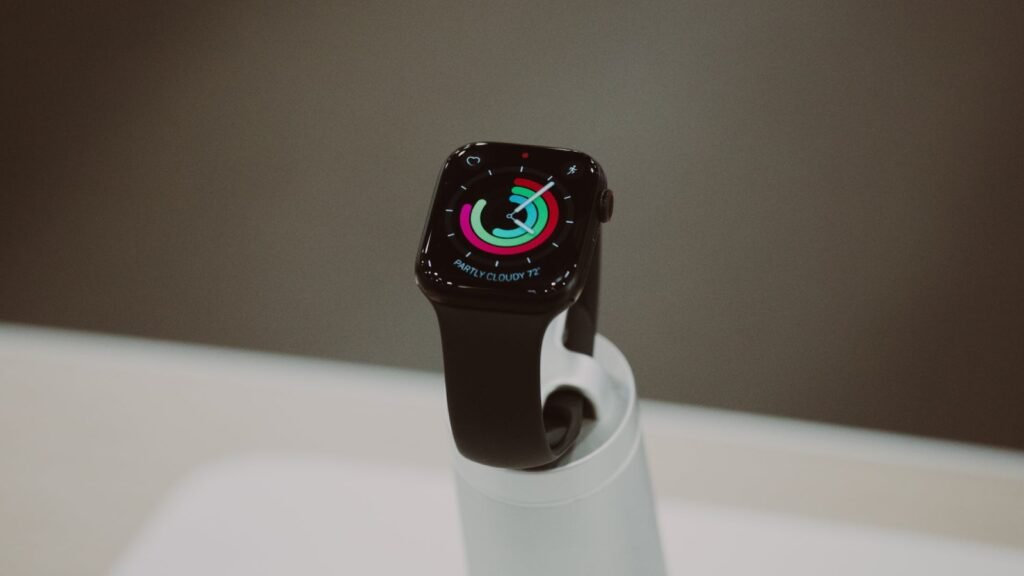
The field of fitness training is divided into two pathways, which include casual exercise and dedicated workout routines. Fitness tracking has diverged into two worlds: motivation and measurement. The Apple Watch creates an effective system that motivates users to stay active throughout the day. The activity rings with their gentle notifications, and social functions help users build regular movement patterns instead of focusing on bettering their performance.
The workout metrics provide users with straightforward information, while the advanced training concepts that need load management and recovery forecasting remain only partially available. The approach functions perfectly for users who want to maintain their physical activity without striving for maximum performance.
Wear OS functions as an adaptable operating system that suffers from multiple implementation issues. The platform provides users with various fitness applications from different brands, which enable them to build their own fitness experience. The system offers users multiple paths to execute their tasks, but this leads to system instability.
The training program requires users to select their applications, while they need to maintain their applications to create a complete training program. Wear OS suits users who prefer building their system from different components instead of using one complete system. The Core of Garmin Training Metrics derives its main value from data analysis. The system uses VO₂ max trends together with training load, recovery time, and body battery, and adaptive plans to create a unified system for measuring performance.
Casual users find the data overwhelming, while runners, cyclists, and triathletes derive essential value from it. Garmin watches focus more on helping users make decisions instead of providing them with motivational support. The world has different expectations for smartwatches, which results in varying user requirements. Urban consumers place a high value on their ability to use offline music and payment services and notification features.
Offline Music and Smart Features
The Apple Watch provides seamless offline music synchronization together with dependable contactless payment capabilities and integrated application support, which works best within the Apple ecosystem. The manufacturer’s implementation with regional support defines the reliability of the Wear OS system, which shows similar functionality to its competitors. Garmin supports offline music and payments on select models, but app ecosystems are limited. The features exist to support workout activities, which users can track through their mobile devices.

Ecosystem Lock-In and Device Compatibility
The system requires users to be compatible with its built-in ecosystems. The Apple Watch can only function with iPhones as its compatible devices. The system benefits iOS users while blocking access for all other users.
Wear OS provides Android users with the widest device compatibility and allows them to select from various hardware options that differ in cost.
Users who need to switch between Android and iOS devices can benefit from Garmin’s ability to work on both platforms without restrictions.
Who Should Choose Which Smartwatch?
The choice becomes clearer when framed around intent. The Apple Watch enables users to track their health with high accuracy while using smart functions that work seamlessly with their iPhones. Wear OS fits users who want choice, Google services, and a balance between smart features and fitness. The Garmin system serves people who compete in sports and outdoor activities while valuing extended battery performance and comprehensive training information.
The Global Reality: One Wrist, Three Futures
The world shows different smartwatch adoption patterns, which reflect the specific needs of each location. Urban professionals gravitate toward the Apple Watch. People who use Android devices in developing markets prefer Wear OS. People who focus on fitness and members of endurance groups prefer Garmin products. The two groups operate separate systems that compete for different types of customers. The two systems operate as different platforms that deliver different kinds of value to their users.
Conclusion: Choose the Philosophy, Not the Feature List
Your smartwatch selection in 2026 will reveal more about your personal habits than it will show your financial situation.
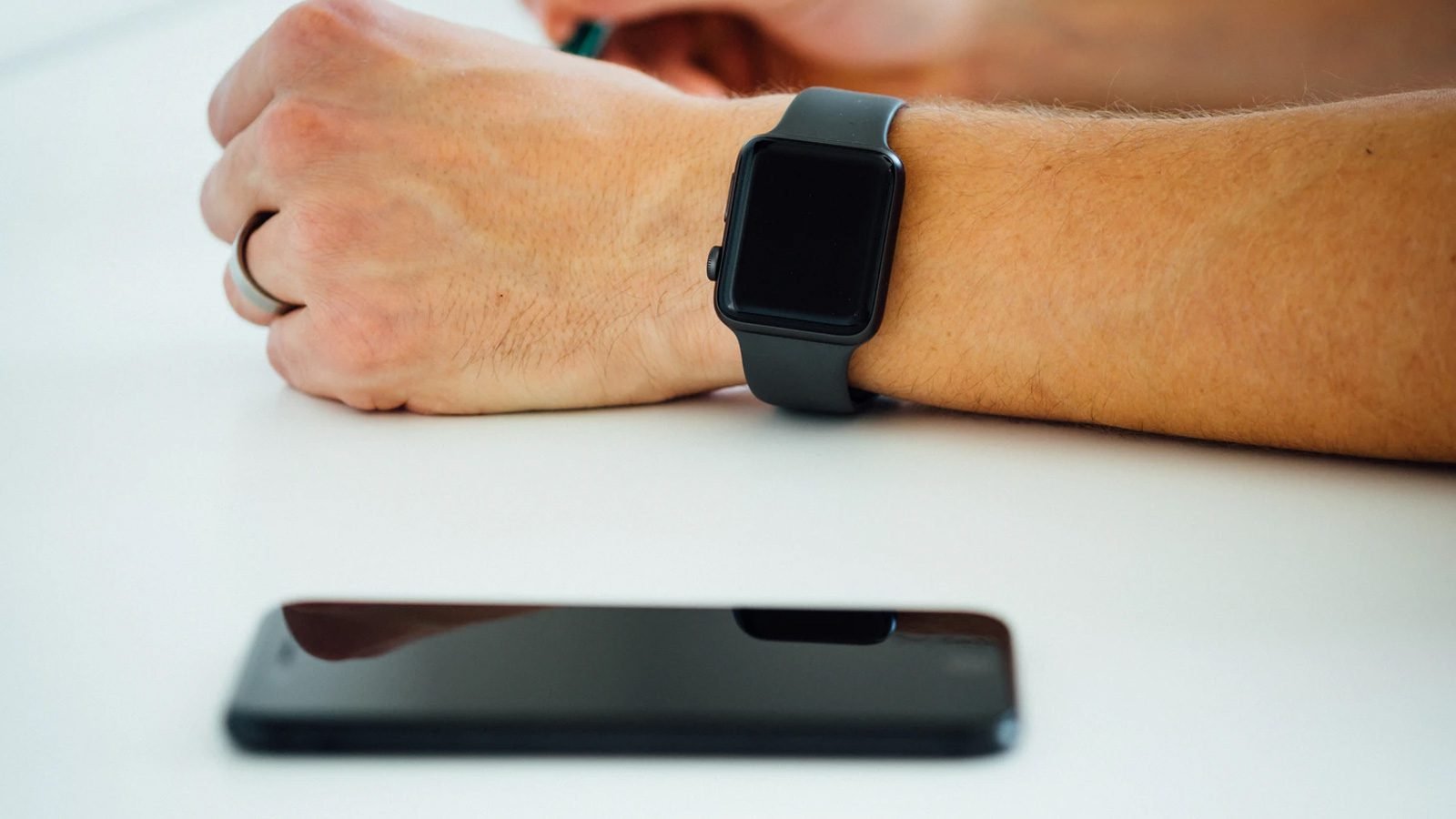
Do you want a digital companion, a flexible smart device, or a performance instrument? The three brands Apple Watch, Wear OS, and Garmin provide different answers to this question through their intentional design choices.
The best smartwatch is not the one with the most features. The best smartwatch for you exists because it matches your training schedule and your expected results.