Tesla, a major producer of electric vehicles, has taken significant steps to change how it markets its driving assistance technologies in the United States, particularly in California. The company has stopped using the term “Tesla Autopilot” for its marketing materials and has removed the lane-centering Autosteer feature from new vehicle configurations in North America. The company faces regulatory scrutiny for using autonomous-driving terminology and has encountered disputes with California authorities, including the California Department of Motor Vehicles (DMV).
Regulatory Pressure and Name Change
The California DMV determined that Tesla’s marketing of “Autopilot” and “Full Self-Driving” misrepresented the company’s driver-assistance systems to consumers, leading consumers to believe they could drive without human oversight. The state regulator said these terms violated consumer protection laws when presented without adequate clarification that drivers must remain responsible for vehicle operation.
The DMV established a deadline for Tesla to correct its marketing language, a 30-day suspension of its dealer and manufacturer licenses in the state — a potentially significant disruption in one of Tesla’s largest markets. Tesla complied by removing the “Autopilot” name from marketing and clarifying the term “Full Self-Driving” with supervised language, thus avoiding the suspension of sales operations in California.
The California DMV publicly confirmed that the company’s corrective action met regulatory requirements, allowing Tesla to continue selling vehicles in the state without interruption. The change reinforces the state’s stance on clear communication around driver-assistance technologies and consumer expectations for safety features.
Removal of Tesla Autopilot and Tesla Autosteer
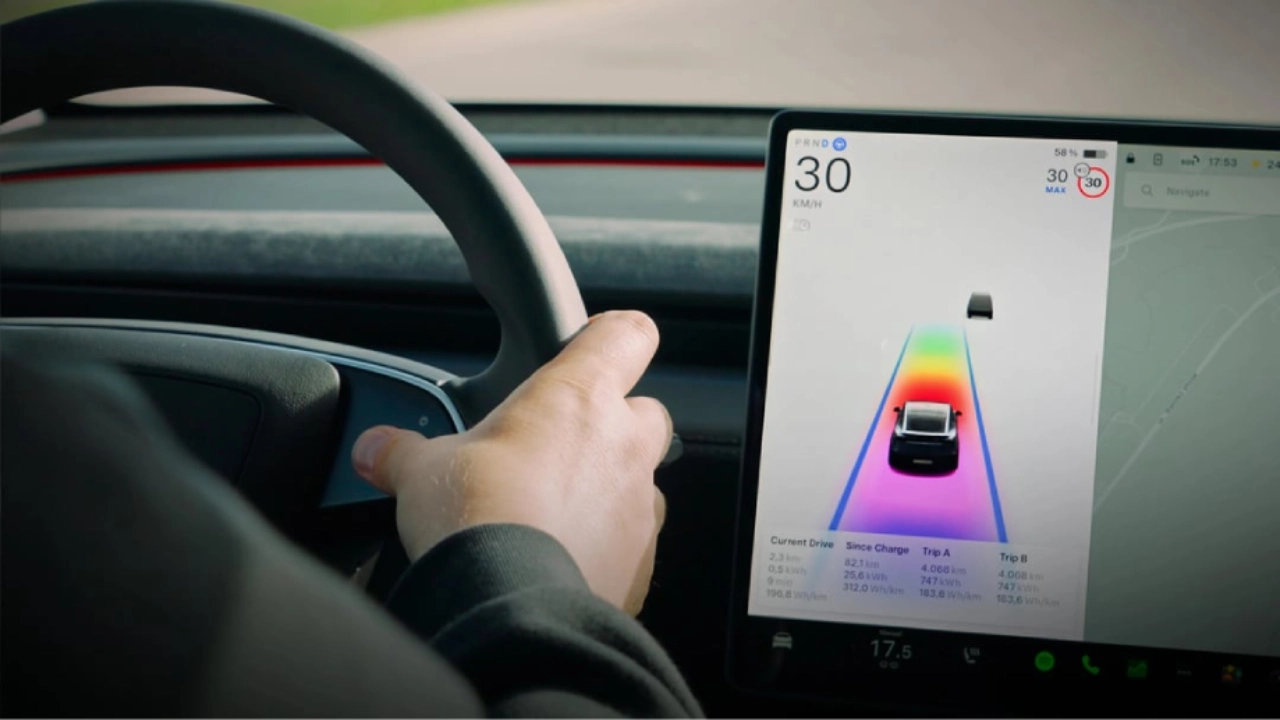
Alongside dropping the Autopilot marketing name, Tesla has discontinued Autopilot, including the Autosteer function, as a standard feature on new Model 3 and Model Y vehicles in the U.S. and Canada. Autosteer was Tesla’s lane-centering technology that worked in conjunction with adaptive cruise control to assist with highway driving.
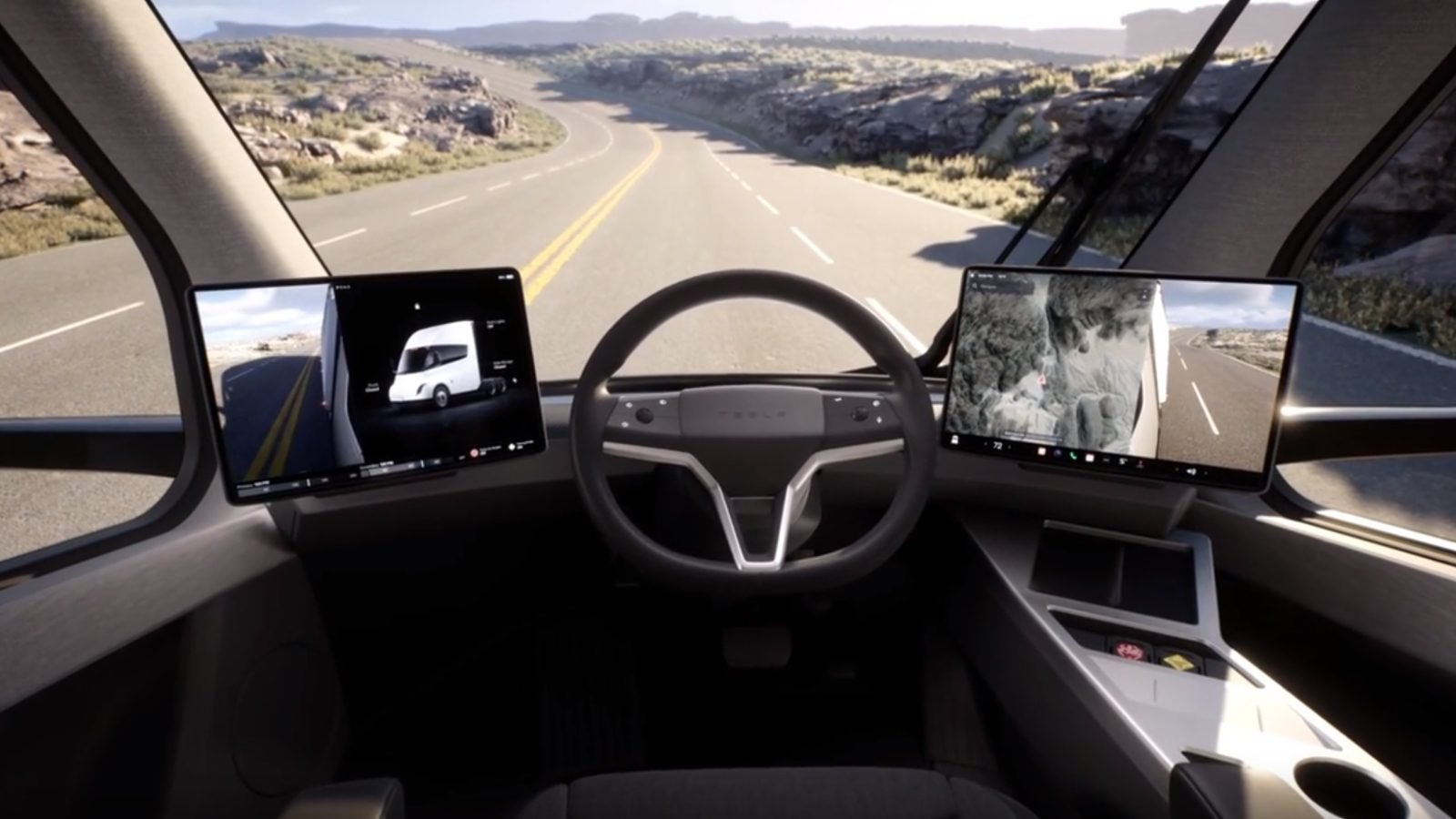
New vehicles now come standard with Traffic-Aware Cruise Control (TACC), which maintains speed and distance from other vehicles but does not provide autonomous lane keeping. Drivers who want Tesla’s advanced driver-assist capabilities must subscribe to the company’s Full Self-Driving (FSD) (Supervised) service, typically offered via a monthly subscription fee rather than a one-time purchase.
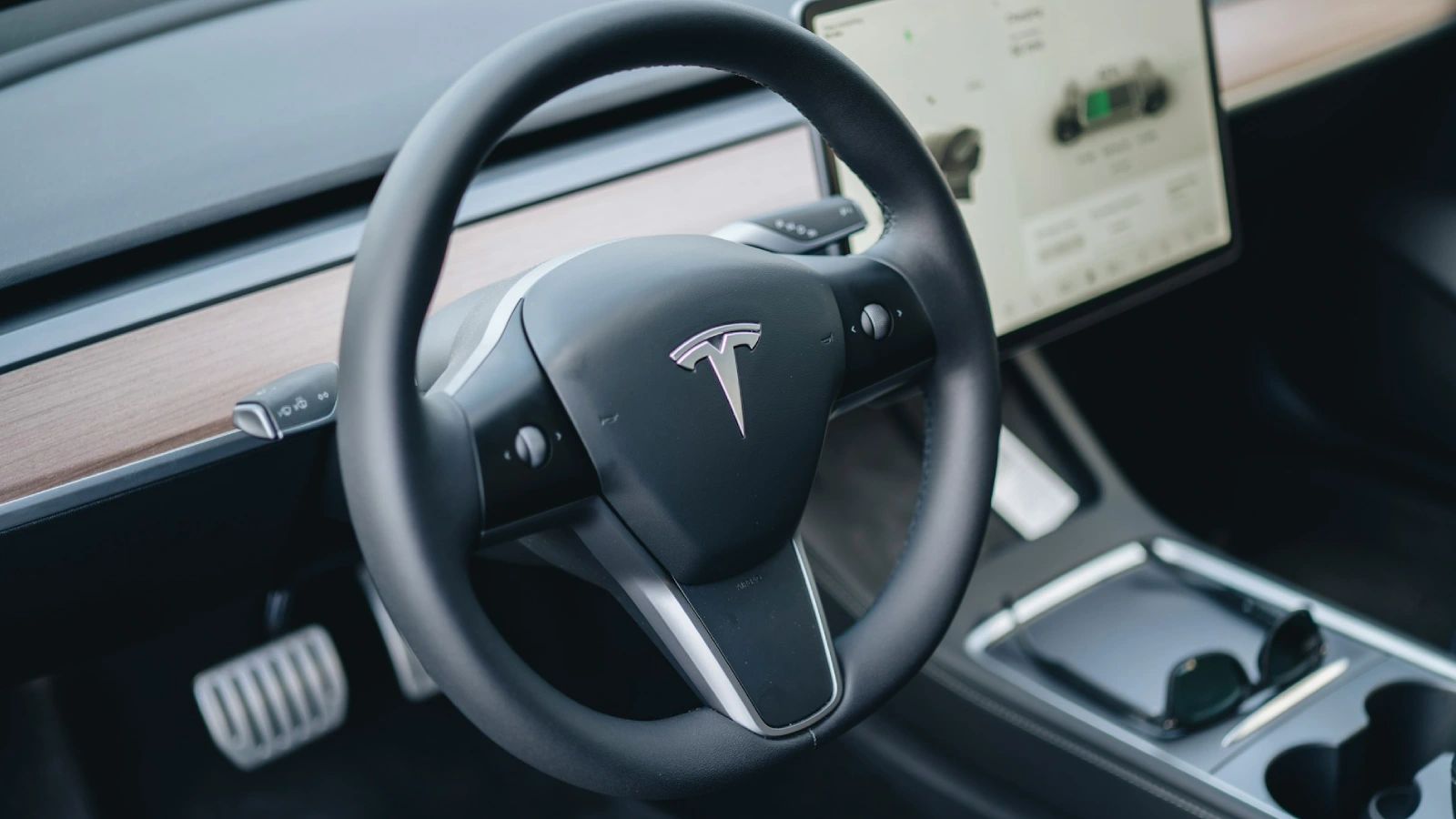
This strategic shift aligns with Tesla’s broader approach to software revenue and service offerings, while also responding to regulatory requirements for autonomous driving claims. The removal of Autosteer from base configurations means that, without the subscription, drivers receive fewer assistance features than in previous years.
Industry and Community Reactions
Reactions to the changes have varied among Tesla owners, industry observers, and online communities. Some vehicle owners and potential buyers have expressed frustration about losing Autosteer as a standard feature, especially as competitors in the electric vehicle market continue to offer robust driver-assist options without additional subscriptions. Discussions on social platforms highlight concerns that TACC alone may be less convenient or valuable for everyday driving without lane-centering assistance.
Other commentators have noted that the shift may prompt consumers to subscribe to Tesla’s FSD (Supervised) service if they wish to retain a more comprehensive driver-assist experience. This aligns with Tesla’s larger business strategy of increasing recurring revenue through software subscriptions and services.
Conclusion
Tesla’s recent removal of the Autopilot branding and the Autosteer driver-assist function marks a significant shift in how the company presents and configures its vehicles in response to regulatory scrutiny. By complying with the California DMV’s directives, Tesla avoided a potential suspension of its sales and manufacturing licenses in a critical market. The changes emphasize a clearer distinction between basic driving support and advanced systems that still require active driver involvement.
As Tesla continues to evolve its suite of software features and service offerings, the focus on accurate communication and regulatory compliance is likely to remain central to its interactions with authorities and consumers alike. You have access to information until the month of October in the year 2023. The company faced a 30-day suspension of its dealer and manufacturer licenses, which created substantial operational challenges for Tesla in its primary market. Tesla removed the “Autopilot” label from its marketing materials and provided a supervised definition of “Full Self-Driving” because this allowed the company to maintain its sales operations in California.
The California DMV publicly confirmed that the company’s corrective action met regulatory requirements, allowing Tesla to continue selling vehicles in the state without interruption. The state now requires drivers to receive precise information about driver-assistance systems, including details on safety features consumers expect.