





Table of Contents
Highlights
- Sports analytics and wearable technology track real-time performance, health, and recovery data
- Analytics software and AI transform sports analytics data into personalized training insights
- Predictive sports analytics helps prevent injuries and supports long-term athletic performance
Sports performance has entered a data-driven era where technology plays a central role in how athletes train, compete, and recover. Advances in sports analytics, fueled by wearable devices and advanced software platforms, are changing how performance and health are tracked. Athletes, both elite and amateur, now use real-time data to make decisions that used to rely mainly on intuition and experience. This technology integration has led to more precise training methods, reduced injury risks, and improved overall athletic longevity.
The Rise of Wearable Technology in Sports
Wearable technology is now the backbone of modern sports analytics. Devices like smartwatches, fitness bands, GPS trackers, smart clothing, and biometric sensors collect detailed data on physiology and movement. These wearables monitor metrics such as heart rate, speed, distance, acceleration, sleep patterns, body temperature, and oxygen levels. With smaller devices and better sensor accuracy, wearables can be used comfortably during training and competition without hindering performance.

In team sports, GPS-enabled wearables provide insights into player movement, workload, and positioning. Coaches can analyze how far an athlete runs in a match, identify high-intensity sprint areas, and adjust training loads accordingly. In individual sports like athletics or cycling, wearables give precise performance data that help athletes improve their techniques and pacing strategies.
Performance Monitoring and Optimization
A significant advantage of sports analytics technology is its ability to improve athletic performance. Wearables gather data during training sessions, allowing athletes and coaches to evaluate intensity, endurance, and efficiency. Metrics like heart rate variability (HRV) and power output help assess an athlete’s readiness for training and competition. When analyzed over time, these data sets reveal trends that shape tailored training plans.
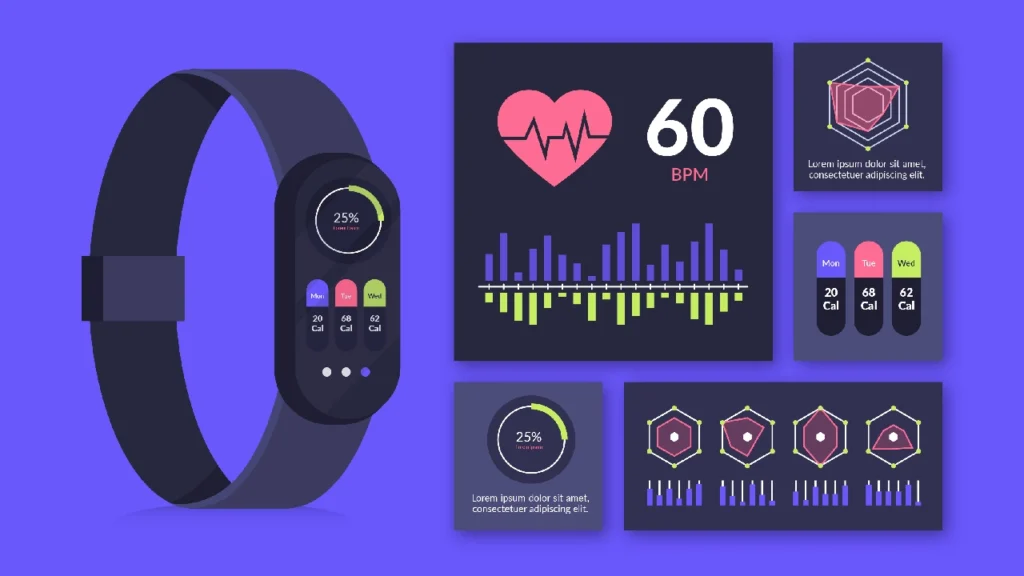
Software platforms compile wearable data into user-friendly dashboards that display performance indicators. Advanced analytics tools utilize algorithms to compare current performance with historical data, enabling athletes to spot their strengths and areas for growth. By customizing training based on objective data, athletes can maximize their gains while reducing unnecessary physical strain.
Injury Prevention Through Predictive Analytics
Injury prevention has become crucial in modern sports, and analytics technology is vital in lowering injury risk. Wearables track workload, muscle fatigue, and movement patterns to help identify early signs of overtraining or biomechanical issues. For instance, sudden increases in training load or uneven movement data can signal a higher risk of injury.

Predictive analytics software processes these signals to alert coaches and medical staff before injuries occur. By modifying training intensity, rest periods, or technique, teams can take proactive measures instead of just responding to injuries. This strategy is particularly effective in high-impact sports, where injuries can heavily disrupt seasons and careers.
Health Monitoring and Recovery Management
Beyond performance, sports analytics technology also assists with athlete health and recovery. Wearables monitor sleep quality, resting heart rate, and stress levels, giving insights into recovery status. Proper recovery is crucial for adaptation and long-term performance. Data-driven recovery strategies help athletes avoid burnout.
Software tools combine recovery data with training information to suggest the best rest periods and recovery protocols. Strategies like active recovery, hydration tracking, and sleep improvement are increasingly guided by analytics. For athletes returning from injury, wearable data helps track rehabilitation progress and ensures a safe return to competition.
Role of Artificial Intelligence and Machine Learning
Artificial intelligence (AI) and machine learning have advanced sports analytics by allowing for deeper analysis of complex data sets. AI-driven platforms can examine millions of data points to find patterns that may not be obvious through traditional methods. These systems learn from past performance data to forecast outcomes, optimize training schedules, and personalize recommendations.

In professional sports, AI models simulate game scenarios, evaluate tactical decisions, and review player performance under various conditions. For individual athletes, machine learning algorithms adjust training programs in real time based on physiological responses, ensuring training stays aligned with changing fitness levels.
Applications Across Different Sports
The use of wearable technology and analytics software varies among sports. In endurance sports like marathon running and cycling, analytics emphasize pacing, energy use, and heart health. In strength and power sports, the focus is on metrics related to force output, speed, and muscle activation. Team sports rely heavily on spatial and workload data to manage player rotations and strategies.
At the youth and amateur levels, analytics technology promotes safer training by educating athletes on managing their workloads and recovery. As these tools become more affordable, their use continues to grow beyond elite sports settings.
Ethical Considerations and Data Privacy
As sports analytics technology gathers more sensitive personal information, ethical concerns and data privacy become increasingly important. Biometric and health data must be handled carefully to protect athlete privacy and prevent misuse. Issues arise regarding data ownership, consent, and how performance data may influence contracts or selection decisions.
Organizations are creating data governance frameworks to ensure transparency and ethical use of analytics. Clear policies on data access, anonymization, and security are essential to maintain trust between athletes, teams, and technology providers.
Long-Term Impact on Athletic Development
The long-term effects of wearable technology and analytics software go beyond immediate performance benefits. By encouraging evidence-based training and recovery, these tools support sustainable athletic growth and career longevity. Athletes can make informed choices about their workload, rest, and competition schedules, reducing the risk of chronic injuries.
Analytics-driven methods also promote a scientific understanding of sports, connecting coaching expertise with factual data. This mix improves decision-making at all competitive levels and drives continuous innovation in training methods.
Future Outlook: The Evolution of Sports Analytics
Looking forward, sports analytics technology is expected to become more integrated and intelligent. Advances in sensor technology, real-time analytics, and AI will provide deeper insights into human performance. New developments like smart fabrics, neural monitoring, and augmented reality training environments may further change how athletes train and compete.

As these technologies progress, their success will rely on balancing innovation with ethical considerations and accessibility. Ensuring that analytics tools enhance rather than replace human judgment will remain a significant challenge.
Conclusion: A New Standard in Athletic Performance
Technology in sports analytics has set a new standard for tracking performance and health. Wearable devices and advanced software platforms enable athletes to train smarter, recover better, and perform at higher levels. By combining real-time data, predictive analytics, and personalized insights, modern sports technology is redefining how athletic potential is developed and maintained in the competitive sports world.
