

Highlights
- AI personal trainers use real-time data, wearables, and machine learning to personalize workouts, recovery, and motivation.
- Smart mirrors, sensors, and chat-based fitness bots provide coaching, correction, and emotional-like feedback anytime, anywhere.
- While AI improves accuracy and accessibility, it still lacks human empathy, intuition, and emotional connection, making it a supplement – not a replacement.
It’s the start of your day, and your smartwatch vibrates gently. “Good morning,” says a voice. “Your recovery is looking very good today. Let’s schedule a 40-minute endurance run, moderate effort.” Before you even have your shoes on yet, your AI personal trainer has already assessed your quality of sleep, heart rate variability, hydration levels, and mood from last night’s data. And this is not a glimpse into the future; it’s happening now. Millions globally are already employing AI-driven fitness instructors to customize their workouts, coach the nutrition process, track progress, and even inspire when they are down.
As artificial intelligence continues to permeate everyday life, the fitness industry is undergoing its own digital transformation. From virtual trainers in smartwatches and fitness apps to fully independent fitness bots that provide real-time exercise instruction, AI is shaping how people exercise, recover, and understand health. The new question is no longer whether AI can help people get fitter. but to what extent can the experience of using AI be made human-like?
How AI is taking over Fitness
Only 10 years ago, digital fitness was synonymous with step-counting and calorie-tracking devices. Apps like MyFitnessPal, Fitbit, and Nike Run Club brought fitness monitoring into the mainstream, but they had virtually no personalization. Everyone received the same plans, the same reminders, and the same robotic “You got this!” messages.
AI came along, and with the development of machine learning and real-time data analysis, fitness tech transitioned from mere monitoring to coaching. The device no longer just tracked your data; it continued to interpret it.
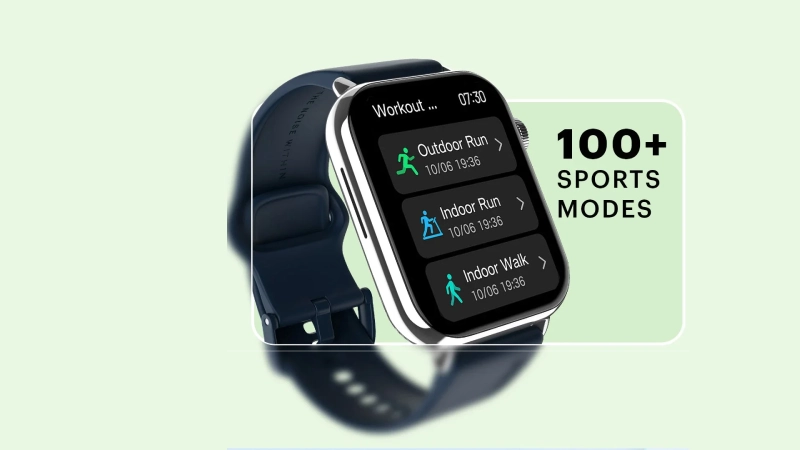
Today’s AI coach pulls data from many sources, including heart rate monitors, sleep trackers, GPS movement, general stress levels, and even menstrual cycle tracking. The AI coach synthesizes this information to develop a workout and recovery plan tailored to the user’s physiology and behavior. If last night was a poor night’s sleep, the AI coach may reduce the intensity of the planned workout. If it detects elevated stress, the AI coach may recommend yoga instead of high-intensity interval training.
How AI Fitness Trainers Work
Fitness bots, such as those in Apple Fitness+, Fitbod, Freeletics, or Whoop Coach, analyze large datasets from millions of previous workouts to recommend the best possible routines for each user. These AIs use reinforcement learning and improve future recommendations based on user feedback and performance over time.
Suppose you skip that day’s planned workout or cut it short for whatever reason. In that case, your AI coach is not going to scold you; instead, it will recalibrate your level of readiness and plan your next workout accordingly. Other examples include Peloton’s adaptive training AI and Tonal’s Smart gym, which use sensors to measure strength levels and automatically adjust to accommodate training capacity.
Further, there are more advanced options, like Lumin Fitness’s AI pods or Tempo Move, which serve as your vision-based trainer, and provide real time correction like a human coach. They do this by using a camera and motion tracking to analyze your squat depth, arm angle, weight, or balance and then provides nuanced algorithmic corrections.
There are now startups that are bringing generative AI into the equation that use emotional intelligence. For example, you have just finished a challenging workout, and your AI prompts, “That was slower than your usual pace, but you still improved your endurance – good job staying consistent.” It’s still not encouraging and sentient, but that has enough personalized attention for motivation.
Bots, Mirrors and Wearables, the new Fitness Companions
- Smart Mirrors and Home Gyms
Products like Mirror, Tonal, and Echelon Reflect integrate AI-guided feedback with live/on-demand coaching. As a “mirror,” the product acts as a screen that displays your reflection with virtual trainers, while AI keeps track of your posture and your progress over time. AI also adjusts the workouts based on your ability, so it feels as personal and adjusted to your needs as having a trainer in the room with you, without the need to commute. - Wearables and Smart Sensors
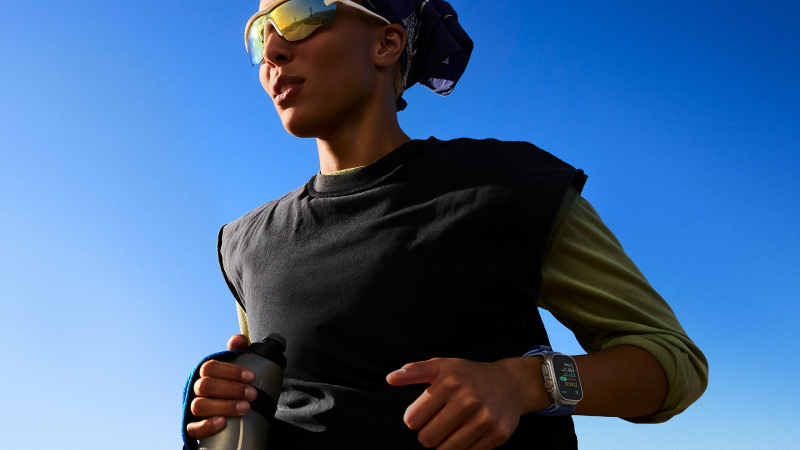
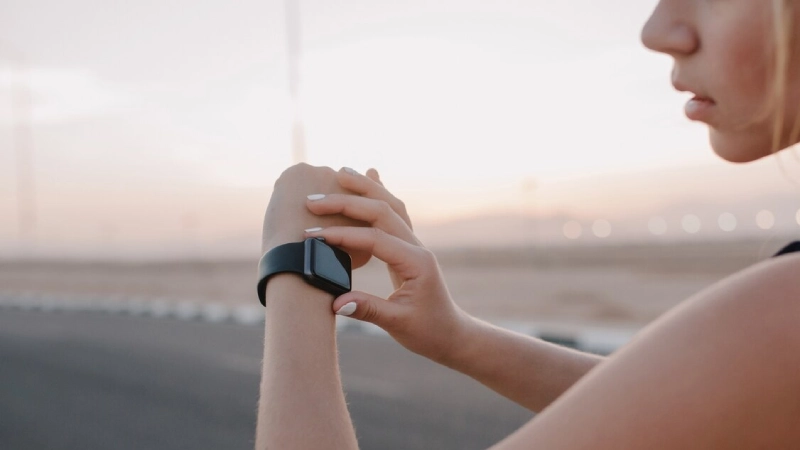
The most recent models of Garmin, Fitbit, and Apple Watch Ultra are like your own miniature laboratory on your wrist; continuously measuring physiological data and connecting to AI platforms to provide recovery and readiness scores. The Whoop band, for example, evaluates strain, recovery, and sleep metrics with AI and can deliver insights about your performance capacity for the day. - Chat-Based Fitness Accomplices
The platforms FitGPT and Aaptiv Coach simulate the voice of a human coach through a chat-based model of conversational AI: motivational, flexible, and conversational. They can remember participants’ preferences, adjust their goals, and provide wellness check-ins for mental wellness.
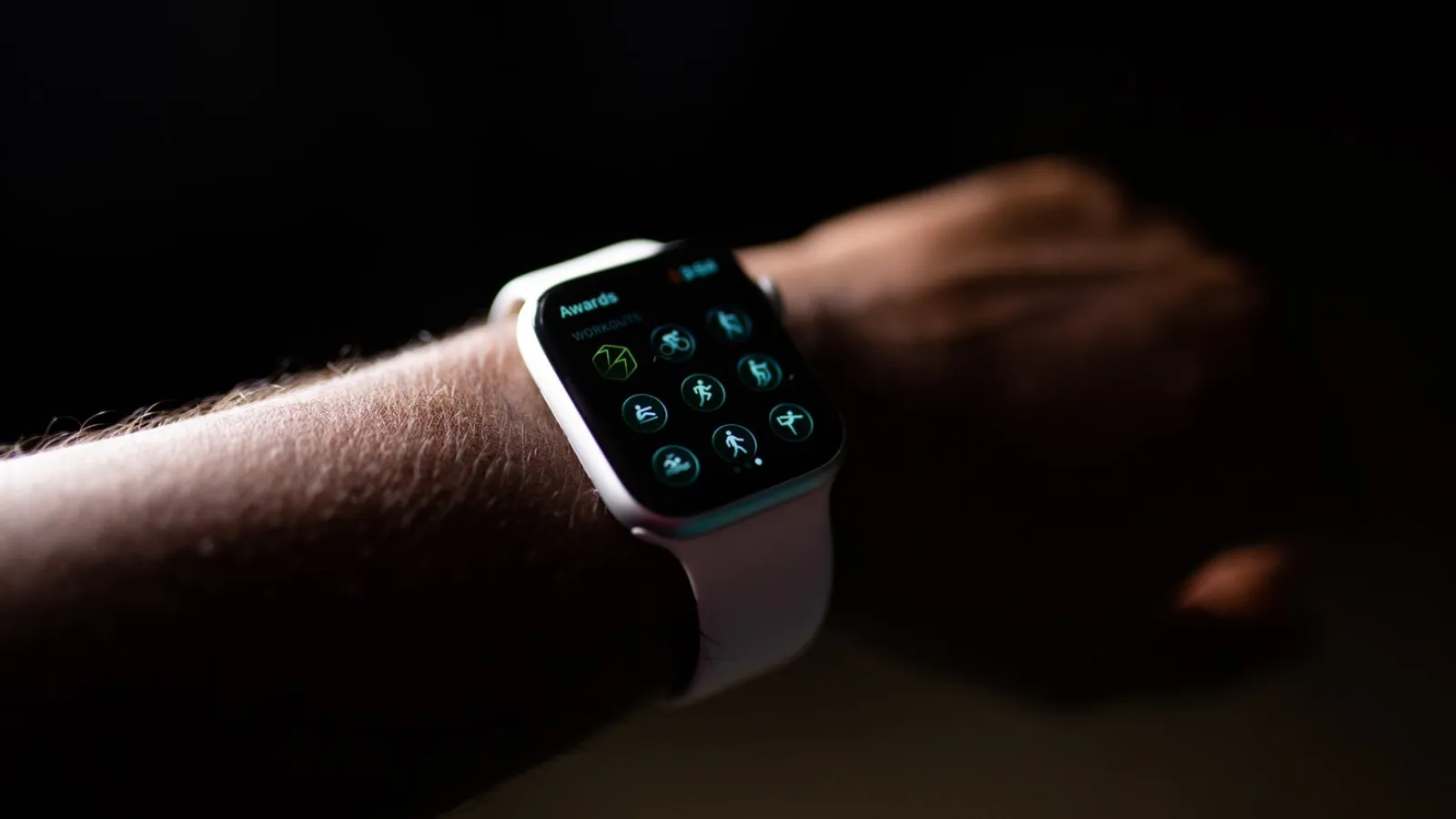
In a sense, the modern gym is not so much a place, but rather an ecosystem of AI and automation to help its human occupants adapt to their constantly changing body and mind.
Benefits of Using AI Fitness
AI fitness coaches provide an unprecedented triple threat that even the most experienced trainers can hardly match: accuracy, customization, and availability.
- Accuracy: AI utilizes thousands of data points per second to assess the user’s exercise habits and understand when the heart rate rises too high, when the form breaks down, or when recovery is too low to keep exercising. This produces evidence-based training rather than experience-based training.
- Customization: Every individual presents as an individual. AI trainers customize training as much more than just an individual’s goals, adapting the training also based on sleep, stress, and energy levels. This is custom health at scale.
- Availability: An individualized trainer may inspire a person to work hard during an hour-session at the gym; an AI trainer may be available whenever someone wants to exercise, adjusted their workout while reminding, cheering, and correcting their form at the same time.
Importantly, AI trainers provide access to all. Trainers are expensive, especially for those applying a trainer in small towns or with a packed schedule. AI coaches bring personalized coaching to anyone with a leadership level of knowledge who has a smart phone or wearable into the mix. AI makes individual fitness and health more accessible.
Limits of AI Fitness
Despite their advanced capabilities, AI trainers do not possess the elements that make human trainers irreplaceable: such as intuition, empathy, and depth in a relationship.
AI may never understand the disconnect you have with the workout process when you are unmotivated. They may not pick up on your posture before a lift, or if you are slumping after a difficult day. Machines see data; humans see feelings.
There is also a psychological aspect. Even the most accountable, disciplined individuals find accountability in connection with other people. Many people behave differently, and push harder when someone who is real is there watching and cheering. An AI may echo encouragement but lacks real connections.
Additionally, data privacy continues to be a concern. AI trainers rely on sensitive biometric data – from heart rate to sleep cycle. Users must trust that their sensitive biometric data will not get hacked and is not being sold without their consent.
Lastly, overreliance on AI could create a completely different problem, called algorithmic dependency. If individuals outsource every fitness decision to an algorithm, they may lose touch with their bodies’ intuition about when to rest, push, or simply enjoy moving for the sake of moving.
Conclusion
The emergence of AI fitness trainers signifies a fundamental change in the conceptions of health and motivation. It is no longer merely about calories and heart rates, it is about constructing a coherent feedback loop between the mind, body, and machine.
AI-enabled fitness ameliorates barriers of access to expertise, customization of routines, and scientific precision that was largely reserved for elite coaching. Nonetheless, while all this has been achieved, one factor remains unchanged: fitness is an emotional experience as much as it is physical. Algorithms can guide the body, but only humans can ignite momentum in the soul.
In the years ahead, the most effective fitness journey will not be human versus machine but simply human with machine. The AI coach will not take the role of coach but will be the best teammate- one committed to creating a shared experience that learns, listens, and grow with us. The true revolution will not be in the robot that trains us but in how we learn to train smarter, together as humans.