





Table of Contents
Highlights
- Wearable fitness devices deliver affordable tracking, flexibility, and a strong ROI for users focused on consistency and long-term health habits
- Wearables come at a much lower price but depend a lot on the user’s self-discipline
- Smart gym equipment provides higher involvement but has high initial costs
- The long-term return on investment is dependent on the factors of consistency, lifestyle, and fitness goals
The worldwide fitness technology market has seen a rapid expansion during the last decade, mainly due to heightened awareness of health, lifestyles of working from home, and technological advancements in the areas of sensors, AI, and connectivity.
The market is now largely divided into two segments that are the main ones: wearable fitness devices and smart gym equipment. Although both claim to deliver better health outcomes through technology, they significantly differ in terms of cost, usability, and long-term value.

Understanding Wearable Fitness Devices
Wearable fitness trackers like smartwatches and fitness bands have become widely accepted, while smart gym equipment like connected treadmills, AI-driven strength machines, and interactive mirrors are particularly aimed at users who want a premium guided workout at home.
The present article will highlight the comparisons of these two categories in terms of cost, convenience, effectiveness, motivation, and return on investment (ROI).
Knowing Fitness Wearables
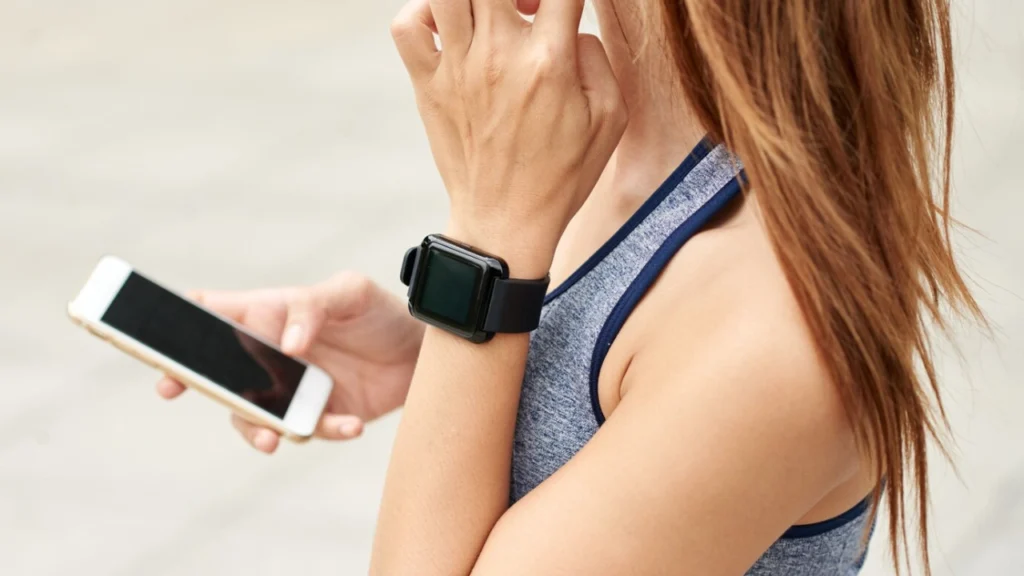
Lightweight fitness wearables are little gadgets that you can put on your wrist, finger, or chest to keep track of your health and physical activity. The most common functions of a fitness tracker are counting steps, monitoring heart rate, tracking sleep, calculating calories burned, and logging workouts.
The greatest advantage of fitness trackers is that they collect data passively. Users can perform their daily tasks while the device keeps on recording the activities, hence wearables can be easily accepted and used in the daily routine of the user.
Usually, wearables do not motivate the user to take action. The user has to take the responsibility to understand the data and alter his/her habits, as the device only measures the user’s behavior but does not influence it at all.
Knowing Smart Gym Equipment
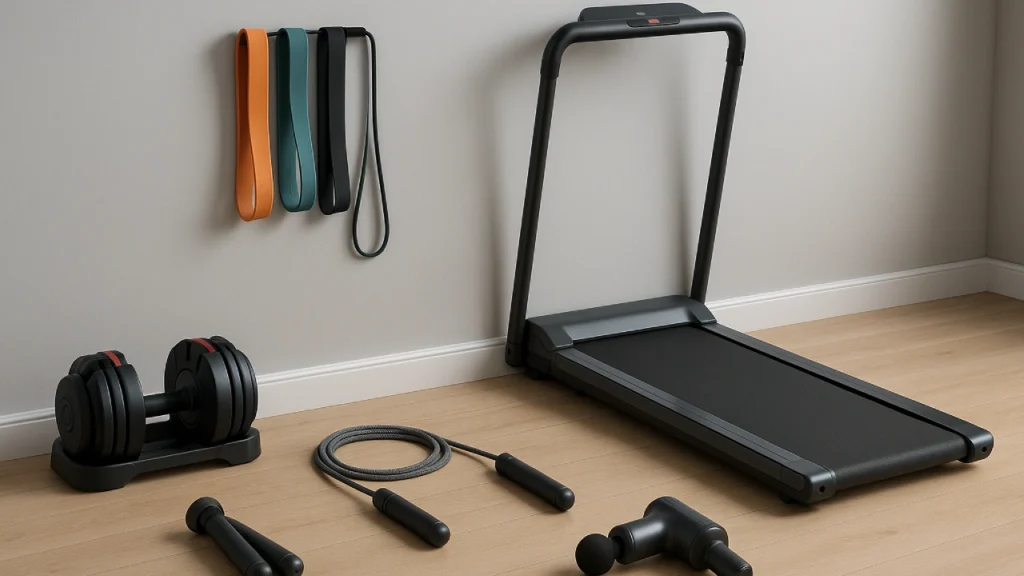
“Smart gym equipment” is a term used to describe connected fitness machines that are meant to provide users with interactive and guided workouts. Those machines come in the form of smart treadmills, bikes, rowing machines, strength systems, and fitness mirrors that have displays, sensors, and AI coaching integrated into them.
In contrast to wearables, smart gym equipment is the one that gives the user workout direction. The equipment provides structured programs, real-time feedback, instructor-led classes, and performance tracking underneath the exercising itself.

The compromise is between money and space. These systems require a lot of money and need a specific setup, which makes them out of reach for many users.
Cost Comparison: Affordability vs Investment
The most immediate factor to separate wearables from smart gym equipment is their cost. Fitness wearables, mostly, are in the range of budget to mid-premium prices, along with optional subscription fees for advanced analytics. In contrast, smart gym equipment not only involves a huge initial capital outlay but also incurs membership expenses on an ongoing basis.
From a purely financial perspective, wearables are much more affordable. Nevertheless, usage reliability is the key factor besides cost that determines the value of the products.
Convenience and Lifestyle Fit
Wearables are great in their portability and convenience. They are the kind of devices that you can carry around and use anywhere, anytime, and they don’t require much setup. This makes the wearables a perfect choice for anyone having irregular time schedules, who prefer outdoor activities for fitness, or has very limited space for living.
Smart gym equipment has its disadvantages in flexibility, but at the same time offers total control over the environment. Populating a home workout station can be a solution for users who have difficulties with motivation or need a trainer’s guidance, since that would cause no hassle and no time wasted on traveling to the gym.
Convenience in this particular situation depends on whether the user is the one who prefers flexibility or the one who prefers routine.
Effectiveness and Fitness Outcomes
Effectiveness is not so much dependent on the kind of device but rather on the way it influences behavior.
Wearables are good at raising awareness; the users usually are the ones who walk more, sleep better, and even monitor their health trends over longer periods of time. However, they may reach the point of effectiveness and not go past that once the novelty is gone. On the other hand, smart gym equipment usually can offer stronger results during the short to medium term because it takes the following approaches:
- Offers very structured programs
- Minimizes decision fatigue
- Maximizes workout intensity
However, to this effect, use of the equipment should not be where it is supposed to drop off the most.
Motivation and Behavioral Psychology
Most obviously, the two methods of motivation are the biggest point of difference between them.
On the other hand, wearables give motivation through:
- Performance tracking
- Notifications
- Continuous engagement and game-like features
The intelligent fitness apparatus motivates through:
- guided classes
- coaching in real time
- social leaderboards
Wearable devices are enough for self-driven people, while for those who lack discipline, smart equipment guarantees better adherence at least during the initial period.
Return on Investment (ROI)
ROI must be calculated using health outcomes per rupee spent and not simply based on usage.
Wearables give a very good ROI for users who:
- exercise regularly
- appreciate long-term health tracking
- choose independence
On the other hand, smart gym equipment presents greater ROI for users who:
- always renew their gym memberships
- Visit the gym more than once a week
- Get the most from structured guidance
Unused smart equipment soon becomes a sunk cost, but wearables continue to be useful even with moderate use.
Conclusion
There is no objective superiority between wearable fitness devices and smart gym equipment. Wearable technology is better in terms of cost, flexibility, and long-term tracking, while smart gym equipment is superior in engagement and guided performance.
In the case of most users, the wearable device is the best gateway to fitness technology. Smart gym equipment only makes sense when commitment, space, and budget all match. Ultimately, the best investment is not the one that comes with the most advanced technology but the one that you will actually use.
