





Highlights
- Affordable Home Automation Devices: TP-Link Tapo smart plugs, Sonoff Basic R3 switches, and Syska/Wipro smart bulbs offer cost-effective, retrofit-friendly solutions for India’s 230V systems and outage-prone environment.
- Smart Hubs for Control: Devices like the Amazon Echo Dot act as central hubs, enabling easy voice control and automation, while local systems like Home Assistant improve privacy and offline reliability.
- Step-by-Step Setup: Start with essential home automation devices – smart plugs, bulbs, and hubs – then expand with UPS backups and certified upgrades for a balanced, reliable smart home.
Table of Contents
Affordable Home Automation Devices in 2025
Home automation in India is at the nexus of two unequivocal material realities: Indian homes largely run on a 230-volt, 50 Hz mains supply, and numerous homes, particularly beyond high-end urban flats, have limited wiring configurations and sporadic supply, which influence the selection and use of devices.
Any useful recipe for “affordable” smart home technology must thus consider voltage compatibility, certification and safety, power efficiency, and an architecture that can withstand occasional network or power outages. The following sections analyze popular, affordable devices in terms of that operational context and make fair assessments of their pros and cons. Why device choice should be guided by Indian realities
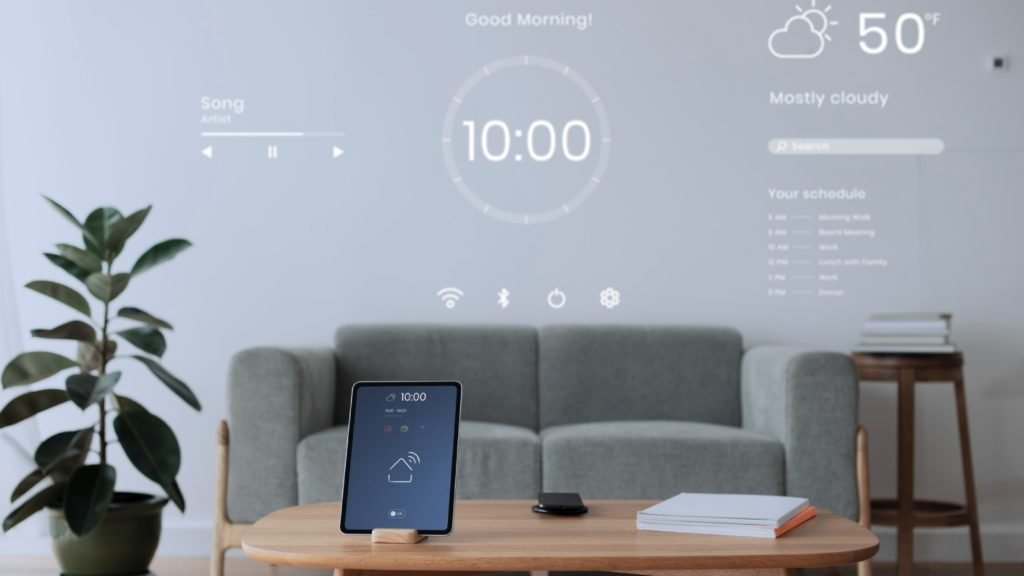
Why device selection must reflect Indian realities
Two aspects of the Indian home environment are particularly pertinent to automation: the unified 230 V mains and frequent, localized outages or voltage fluctuations in most neighborhoods.
Equipment rated for 90–250V use, or specifically for 230V, removes a frequent source of incompatibility and failure; equipment that provides local control (LAN or physical switch) rather than cloud-only control is typically more robust under intermittent internet.
What Matters Most:
- Voltage compatibility (90–250V)
- BIS or CE safety certifications
- Local (LAN) control support to handle outages
- Retrofit design for easy setup in existing homes
Lastly, most Indian homes use a combination of B22/ES/B-type lamp fittings and miniaturized inline switches and sockets rather than centralized smart wiring, so retrofit and plug-and-play solutions are likely to provide the best cost-benefit for the majority of households.
Smart plugs: TP-Link Tapo P100 Smart plugs turn old appliances into smart loads and are often the initial step for Indian homes that prefer automation without rewiring.
Smart plugs: TP-Link Tapo P100
The TP-Link Tapo P100 (retailed as a small “mini” smart plug) is representative of this class: it offers remote on/off, scheduling, multi-user sharing, and voice assistant support at the lowest cost and with the simplest installation. The Tapo platform is made easy to onboard via the vendor app, and the product is readily available in Indian retail channels. For everyday items – table lamps, water heaters (if matched to the plug’s current rating), rice cookers with timers, or fans via intermediate controllers such as plugs – provide immediate automation benefits without an electrician’s time.
The Tapo P100 ranks highly on ease of use and affordability. It works best with low-to-moderate current appliances; users should check the current and power ratings before using it for high-power resistive loads (heater/geyser/iron) to prevent overheating.
Users who value local LAN control and energy telemetry might opt for slightly more expensive devices with energy-monitoring features. Reviewer consensus is that Tapo is a pragmatic, low-friction entry point. In-line smart switches: Sonoff Basic R3. For homes that want wall control but don’t have high installation costs, in-line smart switch modules are an attractive option.
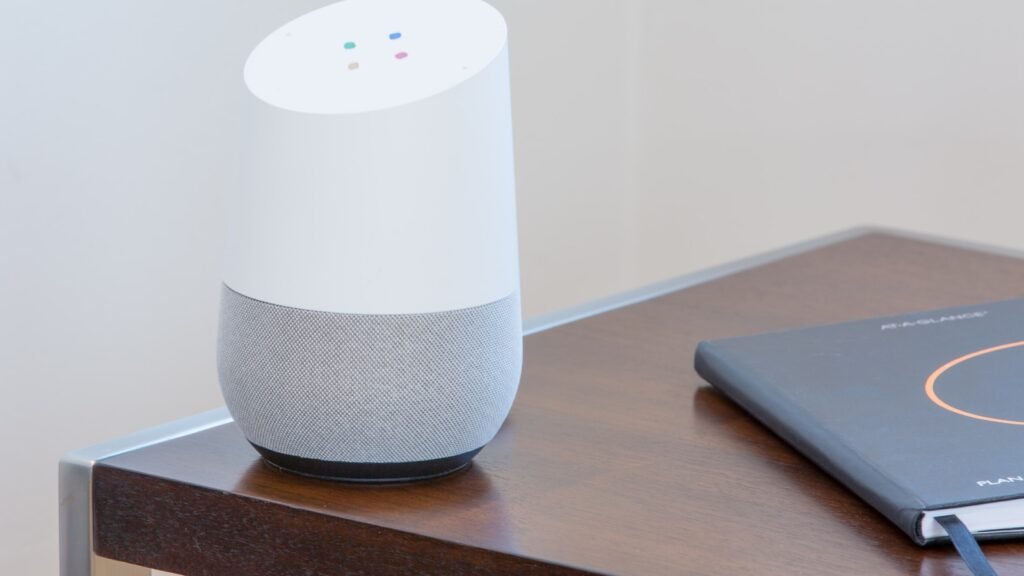
In-line smart switches: Sonoff Basic R3
One of the well-circulated budget options is the Sonoff Basic R3, which is a small Wi-Fi relay that is placed behind current switches or within switch cases and is rated to handle a wide range of input (usually 90–250V AC), making it appropriate for Indian mains.
Price and flexibility are Sonoff’s key selling points. Two persistent criticisms are leveled: first, the necessity of proper electrical installation (these are installed behind switch plates and should be installed by licensed electricians), and second, privacy and cloud-hindrance controversy: stock Sonoff firmware relies on cloud services, although most flash custom firmware for local control.
For those who want the lowest price and mid-level technical sophistication, Sonoff is appealing; to those who value appliance-grade certification and manufacturer backing, higher-cost, certified in-wall smart switches from well-established electrical brands are better.
Smart lighting: Syska/Wipro vs Premium ecosystems.
Smart lighting: Syska/Wipro vs Philips Hue
Smart bulbs are simple next-level automation: existing fixtures already offer all of these – downlighting, color temperatures, schedules, or scenes. Cheap models from mass-market suppliers such as Syska and Wipro available in India are Wi-Fi B22 bulbs that plug and play with standard fittings; these are usually low-cost and straightforward to install via phone apps and voice assistants.
On the opposite side of the equation are ecosystems like Philips Hue, which sacrifice higher unit cost for dependability, deeper color fidelity, and ecosystem sophistication (bridges, mesh networks like Zigbee/Thread, and multi-year software support).
Budget bulbs excel in up-front affordability and are more than satisfactory in most Indian rooms where atmosphere and remote scheduling are the primary objectives. However, users should beware: cheaper bulbs might lack advanced features that enable native energy monitoring, the finest color fidelity, or robust local-mesh connectivity.
Where a homeowner intends to scale lighting across several rooms and requires a very future-proof interoperability mindset (e.g., migrating to Matter), best practice would recommend a hybrid approach: premium in main spaces and budget in every other space. For those planning a large-scale lighting setup, premium ecosystems like Philips Hue or Aqara are more robust. They use Zigbee/Thread networks, ensuring faster response and better long-term reliability.

Voice assistants and Smart hubs: Amazon Echo Dot as the pragmatic “brain”
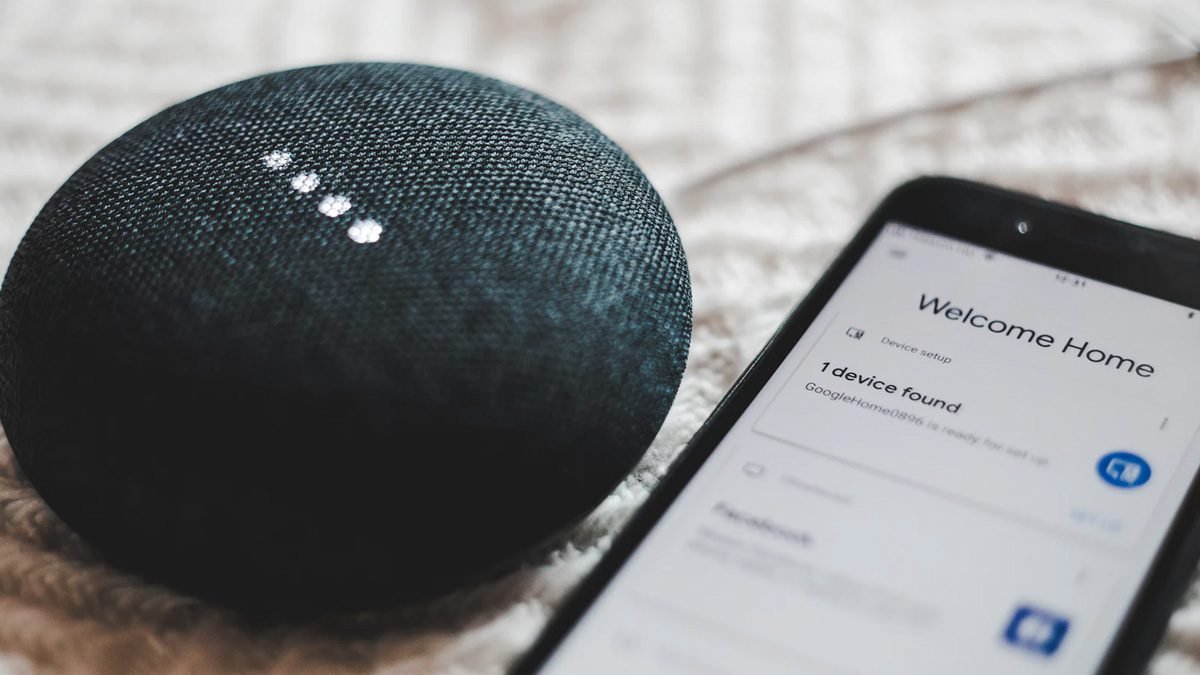
It may be wonderful to have small personal assistants like the Amazon Echo Dot serve as cheap hubs, an essential object to many Indians for hands-free control, routines, and multi-device orchestration. Amazon Echo Dot (recent generations) offers better sound, temperature sensing, and motion sensing in some models, and deep integrations with budget Wi-Fi devices and various brand ecosystems, making it a practical automation brain for families.
Voice hubs simplify daily use—“Alexa, turn off the lights”—and enable simple automations for family members who are not tech-savvy. The tradeoffs stand in privacy concerns (always-listening mics and cloud processing) and partial dependence on vendor cloud uptime.
For homes that emphasize local control and strict privacy, local-first hubs (Home Assistant on a local server, for instance) and accompanying Zigbee/Thread bridges are more favorable, but they require higher technical skills and an initial setup.
Smart Cameras and security: TP-Link Tapo
Inexpensive cameras like those in the TP-Link Tapo series or other budget brands from Xiaomi or D-Link are perfectly adequate for internal security and doorstep coverage and are widely sold in India. Such cameras would feature 1080p resolution, motion detection, two-way audio, and cloud or microSD storage. They are useful for security and for remote checking of children, elders, or deliveries.
Camera selection should weigh local storage vs. cloud subscription costs, night-vision quality, and whether continuous recording is needed (higher storage and power requirements). Placement must respect privacy and local laws; cameras should not be over-deployed in a way that intrudes on neighbors.
Power management and UPS considerations
Because outages are still routine in many localities, affordable automation in India often benefits from coupling to a mini UPS or in-home backup for central networking equipment (router + hub) so that automations and local networked devices remain functional during short outages.
For energy-heavy appliances, intelligent energy monitoring saves small amounts of electricity. Still, more importantly, it matches controllers to device ratings and ensures the use of safe, approved products (BIS or internationally recognized safety marks). While I do not recommend a single UPS model, buyers should prioritize reputable brands and ensure the UPS can support the router and hub load for the desired duration.
Balancing affordability and reliability
Most Indian families find it most practical and cost-effective to employ an incremental rollout: start with a voice hub (Echo Dot or equivalent), then add 2-4 smart plugs for lamps and fans with controllers, and non-heavy kitchen appliances. Add 3–6 smart bulbs in core rooms where ambiance matters. For wall control of existing fixed lighting, add an inline module like a Sonoff Basic R3 behind a switch box – but engage an electrician for safe installation.
If you have repeated outages and value continuous automation, add a small UPS for the router and hub so local automations continue during short outages. Where privacy, resilience, and enterprise-grade reliability matter (multi-room whole-home lighting, locks, or alarms), budget devices can be replaced stepwise by certified, higher-tier products and a local controller such as Home Assistant.
Step-by-Step Smart Home Plan:
- Start: 1–2 TP-Link Tapo plugs + Echo Dot
- Next: 2–4 smart bulbs (Syska/Wipro)
- Expand: Sonoff Basic R3 switches for walls
- Add: Mini UPS for router & hub
- Upgrade: Move to Home Assistant or Zigbee devices for privacy & reliability
This gradual approach minimizes cost and technical complexity while keeping everything modular and upgradable.
Conclusion
Home automation that is affordable for Indian homes is no longer exotic or costly; it is a collection of practical options that respond to mains voltage, wiring realities, and fluctuating supply.
Devices like TP-Link’s Tapo smart plugs, Sonoff in-line relays, and retail-priced smart bulbs from Syska or Wipro provide low-barrier entry points; voice hubs like the Echo Dot offer an effective control interface; and a small UPS for networking gear make tangible improvements to day-to-day resilience.
The rational approach integrates cautious regard for device ratings and certifications, phased deployment to control cost and complexity, and a deliberate choice between convenience (cloud) or privacy/resilience (local), being more important to the household. Each family will strike these balances differently; the suggestions herein are offered as a realistic, evidence-informed starting point.
