





Table of Contents
Highlights
- Smart travel gadgets focus on connectivity, power compatibility, and global readiness to reduce travel stress.
- Portable Wi-Fi, universal chargers, and global-ready devices ensure reliable internet, fast charging, and cross-border usability.
- The best travel tech is lightweight, durable, versatile, and sustainable, supporting human comfort and seamless journeys.
Travel has always been about exploration, discovery, and connection. Yet in a world where work, family, and personal life often travel with us, technology plays an undeniable role in shaping those experiences. Gone are the days when a boarding pass and a backpack were enough; in 2025, smart travel gadgets are essential companions that keep us connected, powered, and productive across borders.
This buying guide takes a human-centred look at the travel tech that genuinely makes life easier on the road, like portable Wi-Fi solutions, universal chargers and adapters, and truly global-ready devices that work reliably in different regions. With insights into what matters most: portability, connectivity, compatibility, and durability, it aims to help travellers make thoughtful choices that reduce stress and enhance their journeys.

Why smart travel tech matters
When you’re in a café in Lisbon drafting an email, waiting in a hostel lobby in Bangkok for a patch of power, or navigating train schedules in Tokyo with a dying battery, your tech plays a central role in both convenience and peace of mind. Travel challenges often come down to three essential needs:
- Connectivity: Accessing reliable internet without exorbitant roaming charges or flaky public Wi-Fi.
- Power and compatibility: Charging devices across diverse power standards without carrying a suitcase full of converters.
- Global readiness: Devices that adapt to local norms, networks, and voltage without fuss.
The right gadgets help bridge these gaps, turning potential travel frustrations into seamless experiences.
Portable Wi-Fi: stay connected everywhere
Nothing kills productivity or peace of mind faster than unreliable internet. While many travellers lean on local SIM cards or inconsistent café Wi-Fi, portable Wi-Fi hotspots offer a reliable alternative, especially for digital nomads, families, or frequent flyers.
How portable Wi-Fi works
Portable hotspots typically use cellular networks to provide private Wi-Fi. With a local or global data plan, you carry a small device that creates your own network, secure, stable, and accessible to multiple devices.

What to look for
- Multi-band LTE/5G support: Ensures compatibility across regions, from Europe to Southeast Asia.
- Battery life: Look for devices that can sustain 8–12 hours of continuous use.
- Local vs global SIM flexibility: Devices that accept local SIMs give you cost control; some also support eSIMs for digital plans.
- Number of device connections: Ideal for families or group travel where several devices need internet simultaneously.
Recommended options
- Dedicated global hotspots with eSIM support, which let you switch data plans without swapping physical SIM cards.
- Unlocked hotspots with removable SIM slots, which allow you to buy local data in each country you visit.
For travellers who depend on consistent performance, whether for work or keeping in touch with loved ones, a portable Wi-Fi solution is one of the most reliable tools in the tech bag.
Universal chargers and adapters: one tool, every outlet
Across the globe, power outlets are anything but uniform. From Type A plugs in North America to Type G in the UK and Type C/E in Europe and Asia, the diversity can be bewildering. Carrying a stack of adapters is not only inefficient but unnecessary as well.

What makes a great universal charger
A smart universal charger should combine several capabilities:
- Multiple plug standards built in: A single device that adjusts to outlet types in dozens of countries.
- Multiple ports: USB-A, USB-C (especially with Power Delivery), and even legacy outputs for older gadgets.
- High wattage and fast charging: Support for fast charging standards (e.g., 45–100W) so laptops, tablets, and phones charge quickly.
- Compact design: Light and foldable, so it fits easily in luggage.
Picks to consider
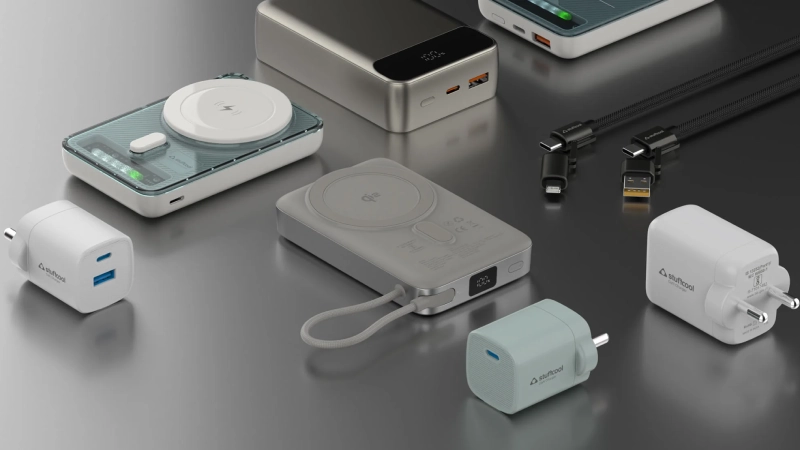
- Universal travel chargers with retractable plugs, which eliminate the need for separate adapters.
- High-wattage USB-C PD chargers, perfect for charging laptops and phones from the same unit.
- Travel power strips with surge protection, especially useful for hotel rooms with limited outlets.
For frequent travellers, investing in a well-built universal charger is a stress reducer: one device, one cable setup, and no last-minute searches for adapters in unfamiliar cities.
Global-ready devices: designed for the world
Beyond connectivity and power, the devices you carry should be built for global use. That means compatibility with different networks and power systems, and durability for varied climates and travel conditions.
Key categories
1. Smartphones and tablets with global band support
Ensure your device supports a wide range of LTE/5G bands and eSIM functionality. This makes switching carriers or data plans abroad smooth and avoids the frustration of buying a regional model that doesn’t work back home.
2. Laptops with universal power standards
Most modern laptops support 100-240V power input, but pairing them with a universal charger ensures you can actually plug in anywhere. Also consider lightweight ultrabooks with long battery life for travel efficiency.
3. Portable SSDs and storage
Cloud access is convenient, but offline backups are vital, especially when connectivity falters. Rugged portable SSDs with USB-C support offer fast local storage without external power.
4. E-readers and offline entertainment devices
When you’re on a long flight or in remote regions with a weak signal, having content pre-loaded on an e-reader or portable media device reduces stress and enriches downtime.
Human realities: comfort, simplicity, and sustainability
Travel tech should make your journey easier, not heavier. A few principles can help:
- Pack light, pack versatile: One good gadget that does five things is better than five single-use devices.
- Prioritise durability: Travel takes a toll on gear; choose robust designs over sleek but fragile options.
- Think long term: Devices that adapt to changing destinations save money and panic later.
- Mind environmental impact: Choose chargers and batteries with energy-efficient certifications, and recycle old tech responsibly.

Above all, smart travel tech respects your experience. It should feel like an intuitive extension of your needs, whether you’re navigating unfamiliar streets, joining a midday call, or simply sharing photos with someone halfway across the world.
Conclusion
Travel, especially in a connected age, isn’t just about places you visit, but about how easily you stay grounded along the way. Portability, connectivity, compatibility, and reliability are not abstract concepts; they are practical criteria that shape everyday moments: catching a sunrise on video, replying to a time-sensitive work message, keeping your vaccine certificate ready, or simply knowing you can reach someone anytime.
Smart travel gadgets don’t replace the joys of exploration. They support them. They give you the assurance that comes when technology aligns with your human needs, so you can focus less on logistics and more on the people, stories, and experiences that actually matter.
In the end, the best travel companion might just be the one that quietly works in the background: keeping you powered, connected, and ready for whatever your journey unfolds.
