


Highlights
- Samsung smart glasses are confirmed for a 2026 launch, bringing AI-powered wearable computing to everyday users.
- The glasses are expected to operate on Android XR and connect closely with Galaxy devices and Google’s AI tools.
- Initial models may emphasize voice, camera, and audio features, while true AR displays will likely come in later versions.
- By entering the smart eyewear market, Samsung aims to compete with Meta and influence the future of everyday wearable computing.
Samsung has officially announced that it will launch its first smart glasses in 2026. This move represents a significant step into the fast-changing wearable tech market. During its recent earnings call, the company described plans to deliver AI experiences across new devices, including smart glasses. This is part of its strategy to move beyond smartphones and foldables while deepening its integration within the Galaxy ecosystem. These new devices will compete with products like Meta’s Ray-Ban smart glasses and reflect the industry’s growing interest in augmented reality (AR) and AI-enhanced wearables.
What Samsung’s Smart Glasses Promise
The smart glasses, set to launch in 2026, will likely operate on Android XR, a platform designed for AR and mixed-reality experiences in lightweight wearables. Company executives mentioned that the glasses will provide “rich, immersive multimodal AI experiences.” This indicates Samsung’s goal of blending AI with everyday interactions, rather than just overlaying graphics on lenses.
Reports suggest the glasses will feature a camera, microphones, and speakers. This setup will allow functions such as video capture, communication, and contextual AI assistance. Integration with Google’s Android ecosystem is expected to help Samsung use tools like Gemini AI, improving usability through voice interactions and intelligent real-time processing.
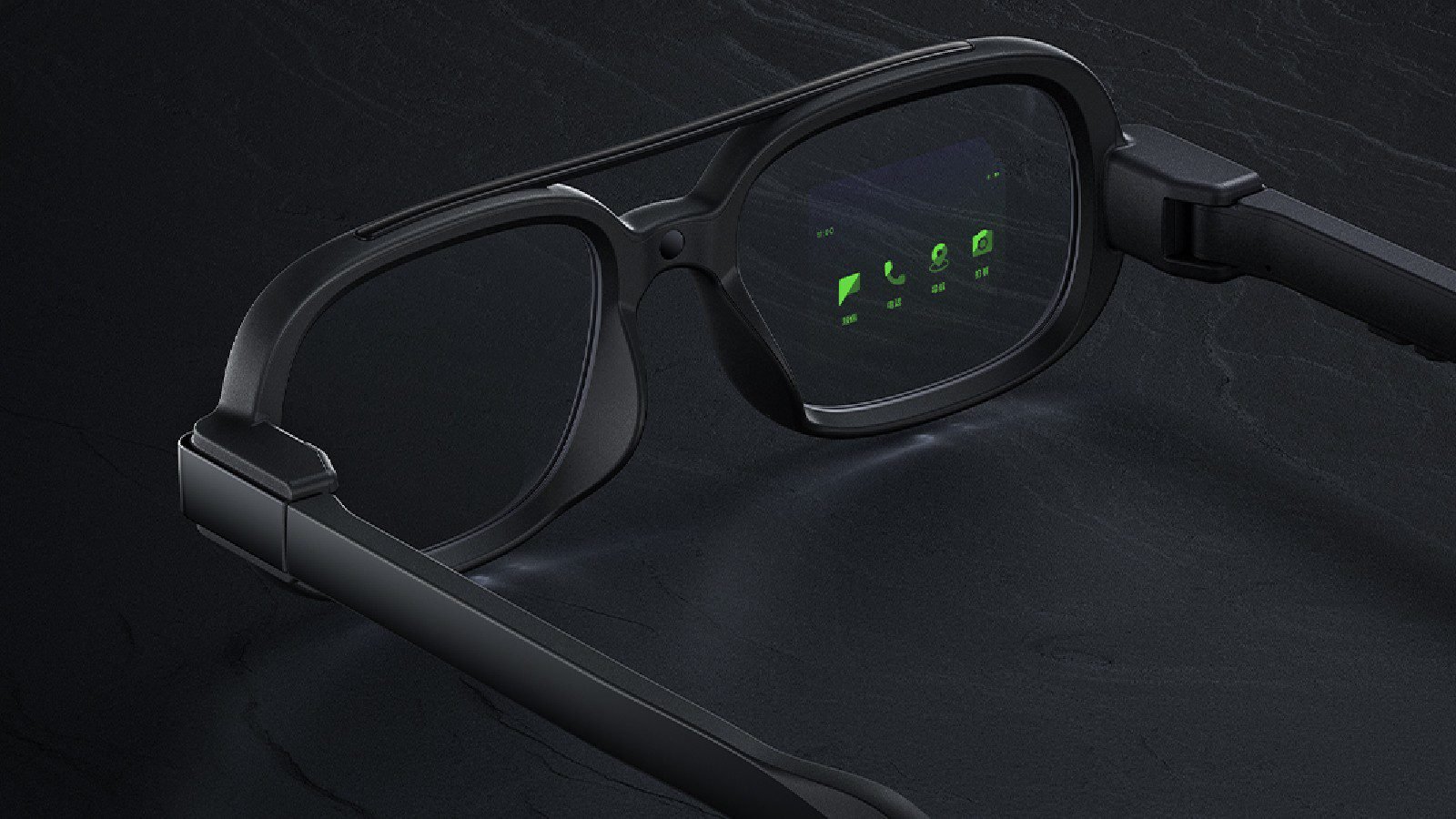
While early versions may not have full heads-up AR displays, they are likely to support features similar to those of Meta’s Ray-Ban smart glasses. Users can expect hands-free voice commands, notifications, media playback, and possibly navigation cues, all without needing to pull out their smartphones.
Two Models and Ecosystem Integration
Industry sources and leaks suggest that Samsung might release two types of smart glasses. One is expected to be a simpler, non-display model for everyday consumers, akin to existing Ray-Ban Meta glasses. The second could arrive later or in a future iteration, potentially featuring a true AR display with visual overlays built directly into the lenses.
The glasses are designed to integrate closely with Samsung’s Galaxy ecosystem, working seamlessly with Galaxy smartphones, smartwatches, and smart rings. This integration, especially when paired with Samsung’s AI and Android XR software, could create an easy user experience. Users will benefit from notifications, media, contextual AI responses, and real-time assistance across devices.
Partnerships with eyewear brands are also part of Samsung’s plan. The company has collaborated with Gentle Monster on stylish eyewear and with Warby Parker to increase accessibility, suggesting that design will matter alongside technology.
How Samsung’s Smart Glasses Fit the Industry Landscape
Samsung’s entrance into smart glasses comes as several major tech companies explore similar wearable devices. Meta has released several generations of smart glasses and even AR glasses with integrated displays. Apple is reportedly developing its own smart glasses, though they may initially lack AR features, making Samsung’s approach, with its planned Android XR and AI capabilities, stand out.
The wearable AR and smart glasses market is picking up speed as companies find ways to combine everyday usefulness with advanced computing features like voice assistants, real-time translation, and contextual suggestions. Industry observers believe Samsung’s glasses will aim to combine fashion, comfort, and functionality, a challenge that has historically slowed down the adoption of bulky AR devices.
Samsung’s choice to use Android XR, which was co-developed with Google, might give it a competitive advantage. This platform allows developers to create applications that work across various XR devices, including headsets and glasses.
Expected Features and User Experience
Although Samsung has not disclosed full specifications, leaks and industry insights offer hints about what users can expect:
- AI-Driven Assistance: The glasses could feature voice-activated help, contextual responses about surroundings, translations, and other AI functions.
- Camera and Audio: Built-in cameras and microphones, along with speakers, may allow video capture, livestreams, hands-free calls, navigation prompts, and real-time notifications.
- Connectivity: The glasses are expected to support Wi-Fi and Bluetooth for easy connections to smartphones and other Galaxy devices. However, they may not include an independent mobile data connection and will likely rely on tethering to connected devices.
- Design and Wearability: Rumors suggest that transition lenses and lightweight designs will make the glasses practical for daily wear, appealing to users who want smart features and comfort.

Challenges and the Road Ahead
Samsung’s upcoming smart glasses represent a significant milestone, but the technology faces challenges. Real AR experiences where digital information overlays the physical world require efficient displays, battery innovations, and compelling uses that justify daily wear. The initial version may rely more on AI capabilities and integrations rather than fully immersive AR, with display-heavy models reserved for future generations.
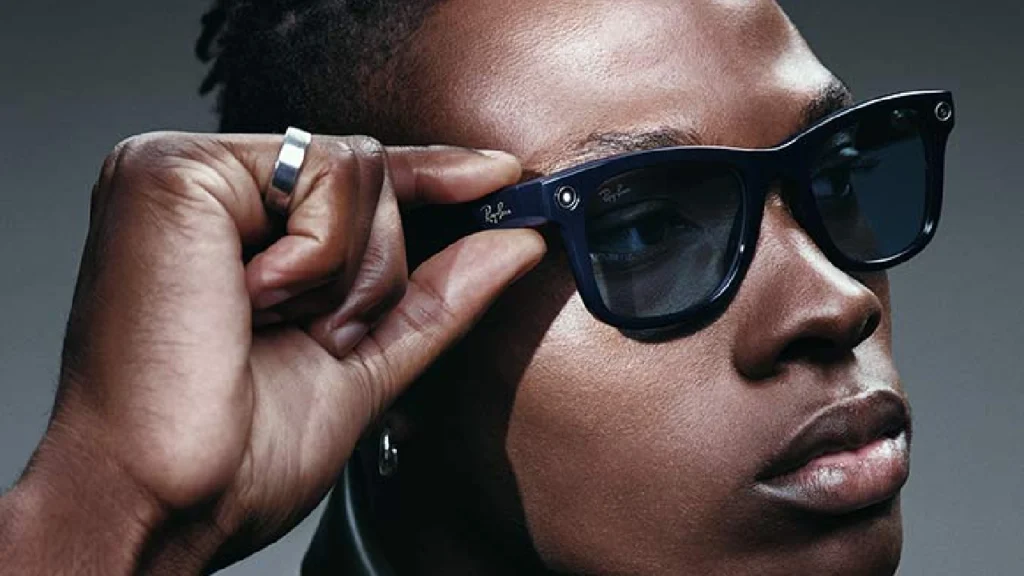
The competition will also be fierce. Meta’s Ray-Ban series has already paved the way for mainstream smart glasses, while Apple’s upcoming devices may attract those invested in the Apple ecosystem. Samsung’s integration with Android and partnerships with fashion brands could help set its offerings apart by combining technology with lifestyle appeal.
Conclusion: A Significant Step Into Wearable AI
Samsung’s confirmation of smart glasses launching in 2026 marks a major step in wearable technology and how people interact with AI, mobile computing, and everyday information. By incorporating Android XR, AI services, and strong ecosystem support, Samsung aims to provide an attractive alternative to existing products and encourage broader adoption of smart eyewear.
As launch details and official specifications are revealed, Samsung’s glasses could change how users access information and digital functionality, not from pockets or wrists, but from frames they wear on their faces.