





Table of Contents
Highlights
- Best AR & VR Headsets for Gaming and Work: From standalone VR headsets like Meta Quest 3 to high-end PC VR headsets, users can choose based on performance, immersion, and productivity needs.
- Mixed Reality for Work: High-end headsets such as Samsung Galaxy XR and HTC Vive XR Elite combine VR and AR features, making them great for immersive gaming and professional tasks.
- Optics and Comfort Matter: High-resolution displays, quality lenses, and a balanced weight design are important for long gaming sessions and extended use at work.
- Content Ecosystems Decide Value: The best headset isn’t just about hardware. Strong game libraries and productivity apps are vital for long-term usability.
As immersive technology develops, selecting the right AR/VR headset for gaming or productivity can feel overwhelming. In 2026, the market offers a variety of options, ranging from standalone virtual reality systems that don’t need a PC to premium mixed-reality devices that blend real and virtual worlds. This guide reviews the top headsets based on comfort, lenses, tracking systems, content libraries, and productivity potential, helping consumers choose the best fit for their needs.
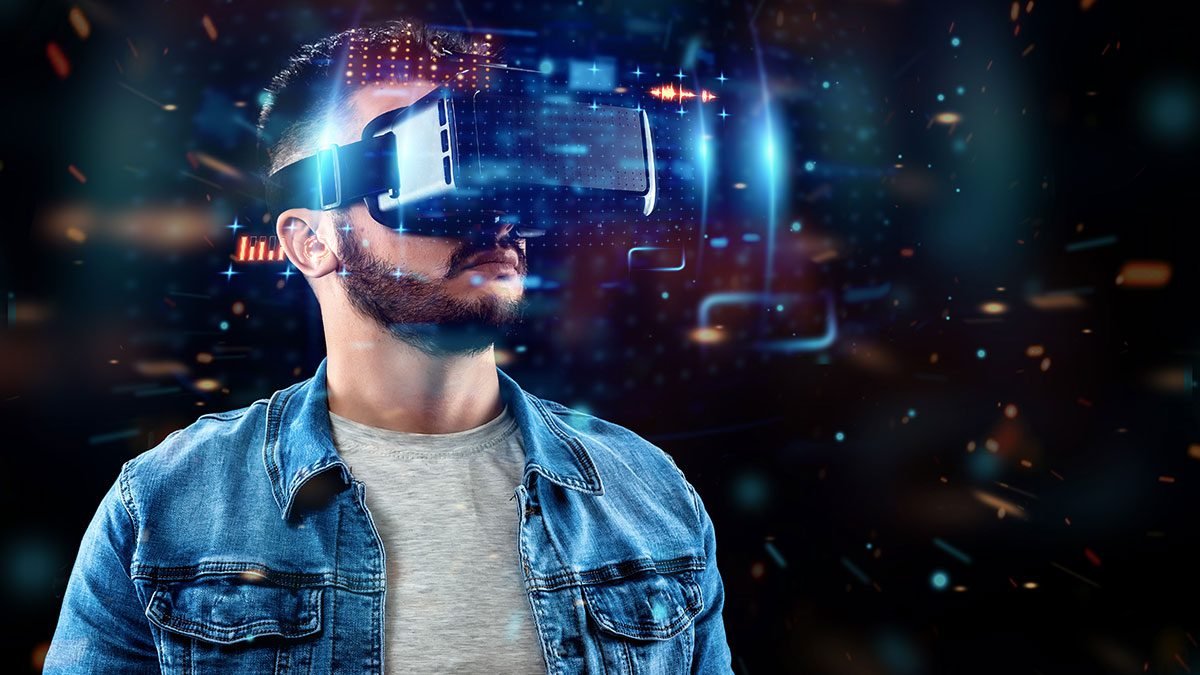
Standalone VR: Great All-Around Picks for Gaming and Casual Use
One of the strongest categories today is standalone VR headsets. These devices provide solid gaming and productivity capabilities without requiring extra hardware like a PC or console.
The Meta Quest 3 is the best overall headset for most users. It features 4K+ resolution, clear displays, a smooth 120 Hz refresh rate, and inside-out tracking, all powered by the Snapdragon XR2 platform. With reliable hand tracking and a large library of games and productivity apps, it works for everything from rhythm games and VR social activities to basic virtual workspaces. Its color passthrough allows mixed reality experiences, combining virtual elements with the real world.
The Meta Quest 3S, a more affordable option, shares many of the same features but has slightly lower resolution. It is ideal for newcomers or casual gamers. It still supports mixed reality capabilities and access to the Meta Quest ecosystem, making it a budget-friendly yet versatile choice without the need for additional hardware.
Standalone VR devices excel in ease of use, extensive content libraries, and wireless freedom, allowing users to game or work without being tied to a PC. While they may not be the best for professional tasks, they are solid options for both gaming and lighter productivity.
Premium and Mixed Reality: All-in-One Powerhouses
For users seeking immersive experiences and productivity features, high-end mixed reality headsets combine the benefits of both worlds.
The Samsung Galaxy XR is one such device that seamlessly blends VR and AR. Co-developed with Google and operating on Android XR, this headset features micro-OLED displays with millions of pixels, hand and eye tracking, and powerful Snapdragon XR2+ processing. It supports both VR gaming, including popular titles, and productivity apps like Chrome, YouTube, and Google Photos in spatial layouts. Optional motion controllers and accessories like prescription lenses enhance its usability for work and play.
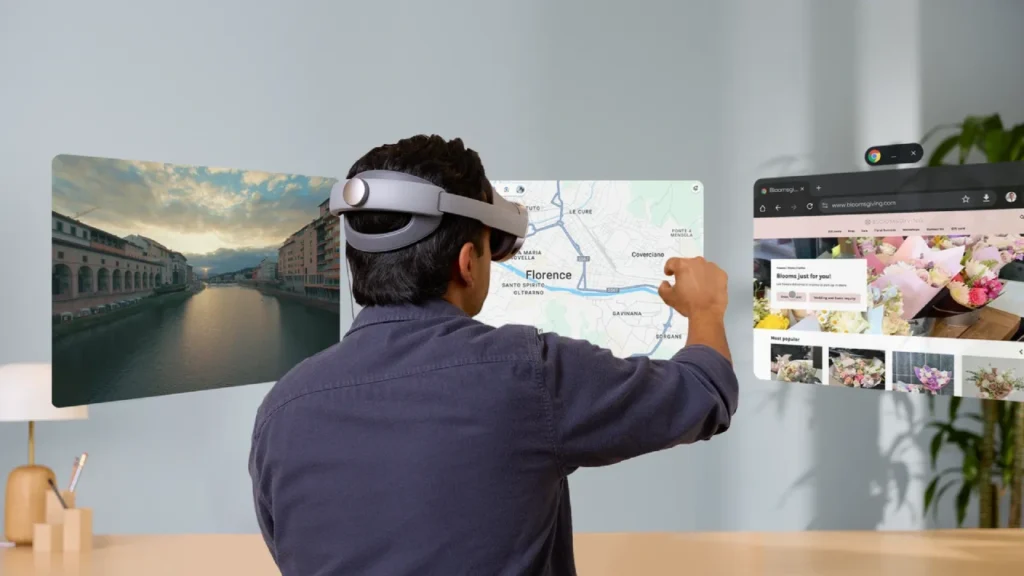
Premium mixed reality devices such as the Galaxy XR are designed with productivity in mind. Users can enjoy massive virtual monitors for office tasks or creative tools that operate alongside immersive games. They also support cloud gaming and PC VR streaming via services like Virtual Desktop, providing access to a vast content library, including PC titles, without needing extra hardware.
The HTC Vive XR Elite is another strong choice that combines virtual and mixed reality in a standalone package. It offers a good blend of comfort, high-resolution passthrough, and inside-out tracking, making it suitable for both professional use and gaming. Its 110-degree field of view and wireless design make it versatile for long sessions.
High-End PC VR: Best for Hardcore Gamers and Power Users
For those focused on superior gaming and precise tracking, PC VR headsets offer unmatched visual clarity and performance, provided they are paired with a competent PC.
The Pimax Crystal stands out for enthusiasts who want exceptional resolution and field of view. Its 5760 × 2880 resolution and advanced lens system produce crystal-clear visuals, making virtual environments feel more real. While it is heavier than some standalone models and requires a robust PC, this headset excels in simulation games and graphically intense titles.
Another top choice is the HTC Vive Pro 2, which features sharp dual RGB LCD displays and a wide, immersive field of view. It uses external base stations for very accurate tracking, making it ideal for motion-heavy games where precision counts. Although setup is more complicated than with standalone headsets, its visual and tracking performance remains among the best.
PC VR headsets may be less convenient than standalone systems due to cables and the need for a powerful computer, but they deliver unmatched fidelity and tracking precision, which is especially important for simulation gamers or professional VR developers.
AR Glasses: Lightweight and Versatile for Productivity
Augmented reality glasses are lighter and better for work-related tasks than full VR headsets, as they allow users to stay aware of their physical environment while displaying digital content.
Devices like the Xreal 1S AR glasses have a glasses-style design with high-quality micro-OLED displays and a decent field of view. They connect via USB-C to laptops or phones, converting them into virtual monitors or media screens. This setup is useful for productivity on the go without needing a bulky headset.

The upcoming ASUS ROG Xreal R1 AR gaming glasses focus on gaming performance, including a 240 Hz refresh rate, while also providing portability and comfort for extended use. While they offer lower resolution than heavier VR systems, their lightweight design and high refresh rate make them attractive for less immersive but more convenient gaming and productivity sessions.
AR glasses generally lack the complete immersion of VR headsets, but they excel in everyday productivity by allowing users to see real tasks and digital interfaces simultaneously, such as using floating screens while typing on a keyboard.
Tracking, Comfort, and Lenses: What to Consider
Comfort is vital for long VR or mixed reality sessions. Standalone headsets typically balance weight and ergonomics better than heavier PC VR units, but premium mixed reality headsets can also be comfortable with well-designed structures and adjustable straps.
Lenses and optics affect how sharp visuals appear. Higher-resolution displays with quality lenses reduce “screen door” effects and improve readability, which is essential for productivity and detailed gaming. Devices like the Pimax Crystal and Samsung Galaxy XR excel in this area, while AR glasses prioritize lightweight wearability over pixel counts.
Tracking systems vary from inside-out cameras, common in standalone and mixed reality systems, to external base stations used in premium PC VR setups. Inside-out tracking allows for simpler setup and greater mobility, while external systems offer the highest precision for motion-intensive gaming.
Content Libraries and Productivity Potential
When choosing a headset, consider not only the hardware but also the software available. Meta Quest devices enjoy extensive libraries of casual and serious games, fitness apps, and social VR environments. Premium devices like the Samsung Galaxy XR expand this with productivity apps and access to native Android applications, making them more suitable for work tasks.
PC VR systems connect to vast SteamVR libraries, providing some of the richest gaming experiences, but they require a connected PC. AR glasses typically use device screens or existing software for augmented workflows, making them suitable for note-taking, media viewing, and light productivity rather than deep immersion.

Conclusion: Matching Headsets to Needs
Choosing the best AR/VR headset depends on your intended use:
- Casual Gamers & General Users: Meta Quest 3 or Meta Quest 3S for standalone convenience and content variety.
- High-End Gaming: Pimax Crystal or HTC Vive Pro 2 for outstanding visuals and tracking.
- Productivity & Mixed Reality: Samsung Galaxy XR or HTC Vive XR Elite for work and collaboration.
- Lightweight AR: Xreal 1S or ASUS ROG Xreal R1 glasses for portable productivity and casual gaming.
In 2026, the headset market is more diverse than ever. Both consumers and professionals can find a headset that suits their comfort needs and use-case goals, whether for immersive virtual experiences or productive augmented workflows.
