





Table of Contents
Highlights
- Flagship phones in 2026 compete through software, ecosystem, and longevity, not just specs.
- iPhone leads in video, sustained performance, and ecosystem integration.
- Pixel excels in AI photography, smart features, and clean Android updates.
- Galaxy delivers hardware flexibility, zoom power, and faster charging options.
The global smartphone market has entered a phase of maturity. Flagship phones released in 2026 are no longer chasing basic usability improvements; they are refining philosophies. Cameras are excellent across the board, performance is abundant, and displays are near flawless. Yet the choice between an iPhone, a Pixel, and a Galaxy remains deeply consequential, not because one is clearly superior, but because each is designed around a different vision of what a smartphone should be.
At the top of this market sit three families of devices from Apple, Google, and Samsung. Their flagship phones, the iPhone, Pixel, and Galaxy, are sold globally, influence developer priorities, and define user expectations across regions.
This is not a simple spec comparison. It is a comparison of cameras, battery behaviour, performance over time, and ecosystem value, viewed through the lens of real-world, long-term use.
Camera Philosophy: Three Ways to Capture Reality
Smartphone cameras have advanced beyond their previous capacity to perform hardware-based performance assessments. The image quality of 2026, which needs to show visual elements, derives its creation from software that controls how it renders light, color, and motion detection in different flagship products, which use distinct methods to achieve this outcome.

iPhone: Consistency and Video Authority
The iPhone camera system uses its design structure to produce predictable results. The system creates videos and photos that maintain identical visual quality throughout all aspects of shooting, including different lighting conditions, lens selections, and various shooting environments. Apple achieves this visual consistency through the complete development of its image signal processor, together with its camera sensors and its software processing system.
The iPhone delivers its strongest performance through its video capabilities. Stabilisation, colour science, and audio capture serve as standard industry measurement points. The iPhone serves as the most dependable option for worldwide users who need video reliability throughout their work because it provides essential features needed by creators, journalists, and professionals.
The trade-off results in limits because of restraint. Apple chooses to implement HDR at a moderate level while it avoids using extensive post-processing methods. The method delivers results that appear natural, yet they lack the strong visual effects that competitors choose to emphasize.

Pixel: Software-Driven Imaging and AI Power
The Pixel cameras demonstrate that Google believes software development holds greater value than hardware design. Pixel devices utilize machine learning technology to analyze scenes and correct exposure while developing details through post-shutter image processing.
This technique performs exceptionally well in still image capture. The system performs exceptionally well when facing night scenes, portrait shots, and environments with extreme brightness differences. The intelligent unblur feature and AI photo selection help users through Pixel functions, which deliver modern assistance.
The Pixel video system shows its weakest performance. The system shows improvements, yet it still lacks the high-quality consistency that iPhone offers, especially during fast-moving situations.
Galaxy: Feature-Rich Hardware and Creative Control
Samsung’s Galaxy flagship products adopt an everything-included design approach. The system provides users with full shooting control through its combination of large sensors and high megapixel sensors and strong optical zoom capabilities. Galaxy devices provide users with the highest performance for both distance photography and advanced camera operation.
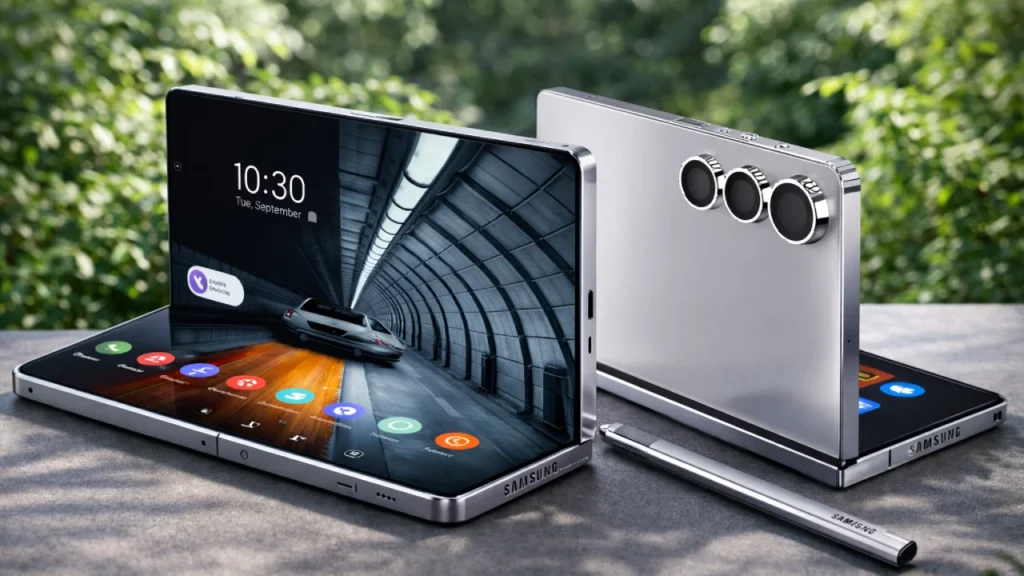
The images display bright colors and strong contrasts, which make them suitable for instant sharing, particularly attracting social media users. The advanced camera modes enable enthusiasts to achieve precise results that other systems, including iPhone and Pixel, fail to provide.
The system suffers from variable performance levels. The system processes results differently across its various lenses, while its color outputs show a less accurate representation. Galaxy cameras provide users with experimental possibilities, but they require more hands-on work for successful operation.
Battery Life: Different Definitions of Endurance
Battery performance exists as the most misunderstood feature that flagship phones possess. Endurance testing requires more than capacity evaluation because efficiency, background management, and charging techniques also play vital roles.
iPhone: Efficiency Over Speed iPhones provide trustworthy all-day battery performance to users who do not require their devices to have maximum battery capacity. Apple achieves its competitive edge through silicon optimization and its ability to manage background operations.
The device shows minimal standby power consumption while maintaining consistent performance throughout its lifespan. Apple needs to improve its charging speed because its current system charges batteries slowly for an extended battery lifespan, which creates divided views among users worldwide.
Pixel: Smart, but Situational. The battery life of Pixel devices has received enhancements through advanced AI technology, which controls background operations. The battery life of moderate users meets their needs. The battery drains more quickly when users operate the navigation system together with camera functions and artificial intelligence capabilities.
Power users experience more charging difficulties with Pixels because the devices require them to wait longer than Galaxy devices do for recharging.
Galaxy: Capacity and Convenience Galaxy flagship devices come equipped with bigger battery systems, which enable them to achieve faster charging times. Samsung offers an appealing solution to users who need to recharge their devices during travel or extended work periods. Samsung needs to control its feature-based software because unmonitored software usage leads to increased power consumption while the device remains inactive. The device supports extended battery life, but users will find it challenging to determine their power requirements during different usage situations.
Performance: Power Is No Longer the Question
The three flagship devices all deliver high speeds, but their main distinction arises from their ability to maintain performance throughout extended periods.
iPhone- The iPhone demonstrates its ability to maintain performance through time. Apple processors achieve top benchmark results, but their actual value lies in their ability to sustain performance through multiple years. iPhones continue to provide efficient operation even after users complete multiple software updates. The devices offer exceptional performance for demanding applications, which include gaming, video editing, and professional work tasks, resulting in high resale value throughout the globe.
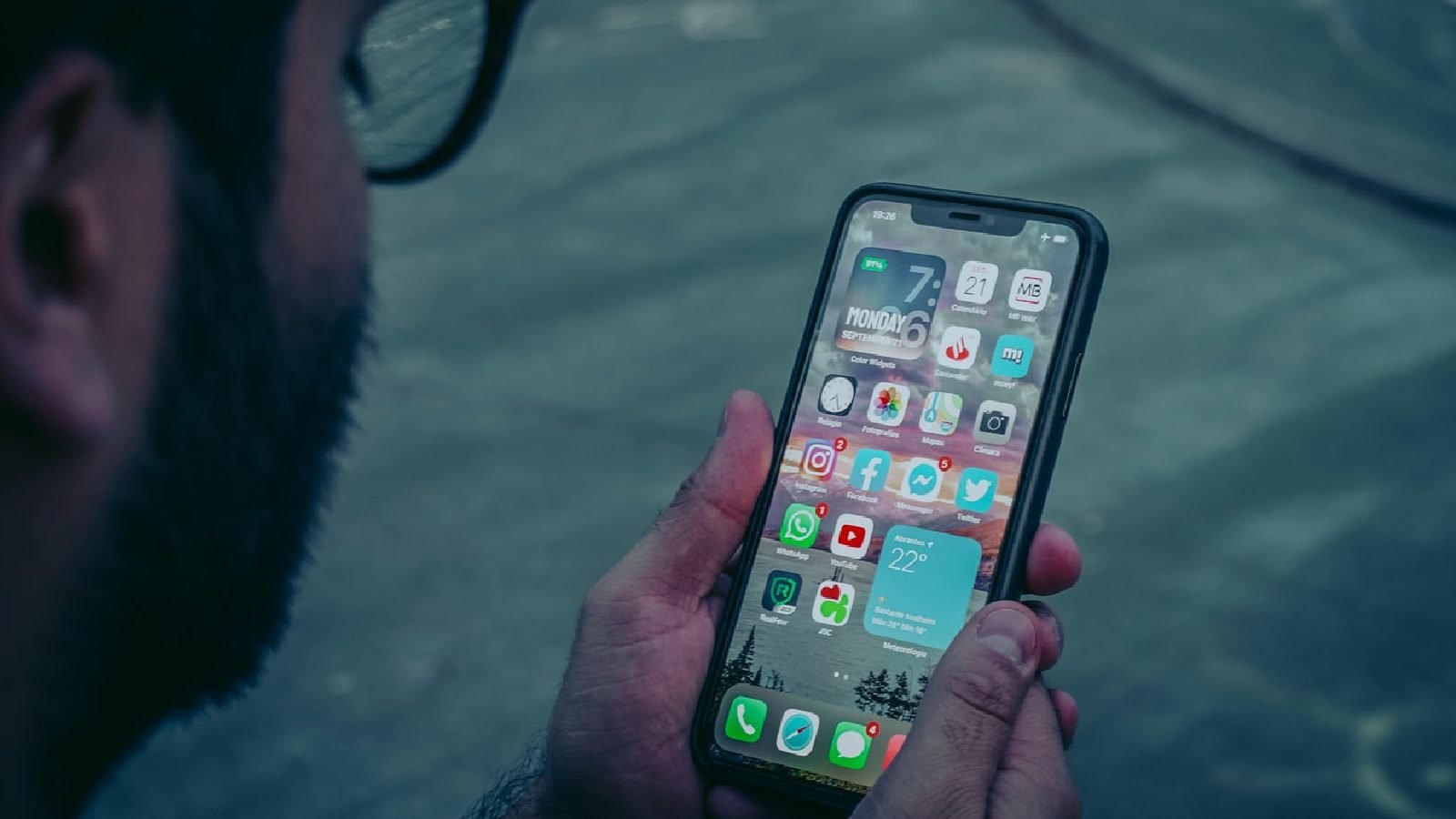
Pixel: The AI-Optimised Pixel system delivers its best performance through artificial intelligence processing instead of achieving maximum processing speed. The system delivers smooth performance for daily usage, but it will reduce its performance during intense gaming and lengthy processing tasks at an earlier point than iPhones do.
Galaxy: Users who prefer intelligent functions above basic processing power will find this compromise suitable. The Galaxy devices deliver strong performance capabilities, but their actual performance levels differ according to the specific circumstances. The Galaxy devices deliver their best performance results during gaming, which allows them to reach their maximum processing capacity. The international operation of the system becomes unstable because different regions use different chipsets, which leads to various performance standards throughout the industry. The Galaxy phones provide fast performance to power users, who need to monitor both thermal patterns and battery usage.
Ecosystem Value: The Invisible Differentiator
The ecosystems of these flagship products create their most important long-term distinction between them. The iPhone functions as a core element of Apple’s complete ecosystem. The system provides users a unified experience through its ability to switch between devices, its extended software support, and its compatibility with various accessories. The clean Android updates of Pixel, together with its complete Google service integration, create its main advantage.
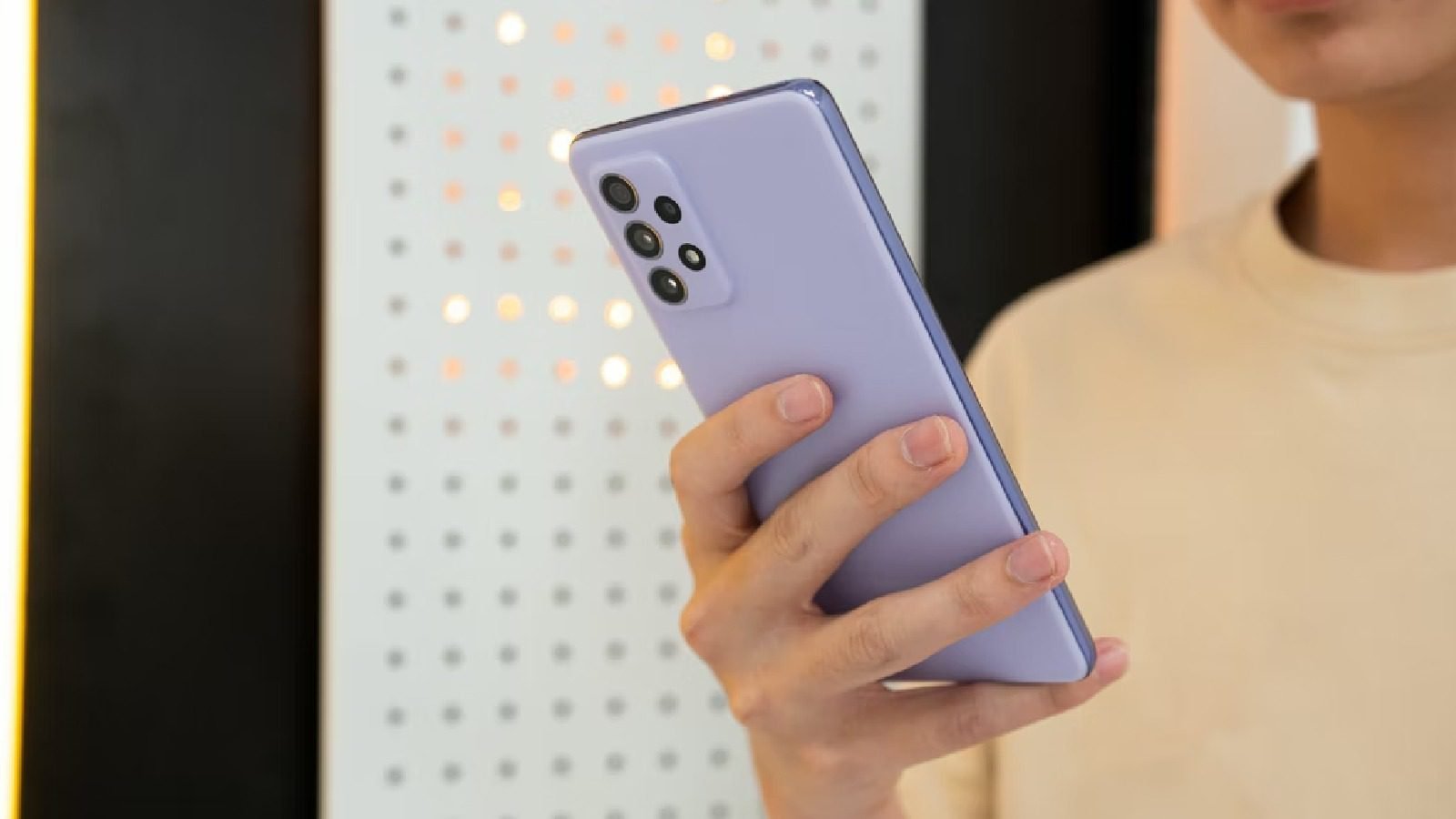
The platform delivers users a pure Android experience with immediate access to upcoming AI functionalities. The Galaxy product range maintains a balance between its open nature and its system connectivity. Samsung provides customers multiple device options through its ecosystem, which includes smartphones, tablets, wearable devices, television sets, and home appliances, while still allowing users to maintain partial control of their devices.
Global Verdict: Which Flagship Is Right for You?
The 2026 flagship phone competition does not produce a single phone that emerges as the top device. The performance of each device improves when it operates with its designated user. The iPhone provides optimal performance for users who need their device to serve them for an extended period while delivering high-quality video content and maintaining a seamless connection to Apple’s entire ecosystem.
The Pixel suits users who require advanced photography capabilities, together with pure software and artificial intelligence-based primary features. The Galaxy product line provides users with various hardware options together with quick recharging capabilities, which support their artistic expression.
The ideal flagship product for your needs exists not as the device with top technical specifications but as the solution that matches your personal, professional, and artistic routines.
