





Table of Contents
Highlights
- Brain-computer interfaces are already restoring communication and motor control for patients with neurological conditions.
- Non-invasive BCIs are emerging in gaming, VR, and cognitive monitoring, but remain limited in capability.
- Ethical concerns around mental privacy, autonomy, and data ownership are central to BCI adoption.
- Regulatory oversight is strong in medical BCIs but remains unclear for consumer applications.
Brain-computer interfaces (BCIs) are one of the most interesting areas in modern science and technology. They allow for direct communication between the human brain and external devices. BCIs can restore lost functions, improve medical treatments, and change how people interact with machines. However, they also raise important ethical, safety, and regulatory issues. To understand BCIs, we need to look at where the technology provides real benefits and where concerns about risk, privacy, and long-term effects are challenging scientists and policymakers.
What Are Brain-Computer Interfaces?
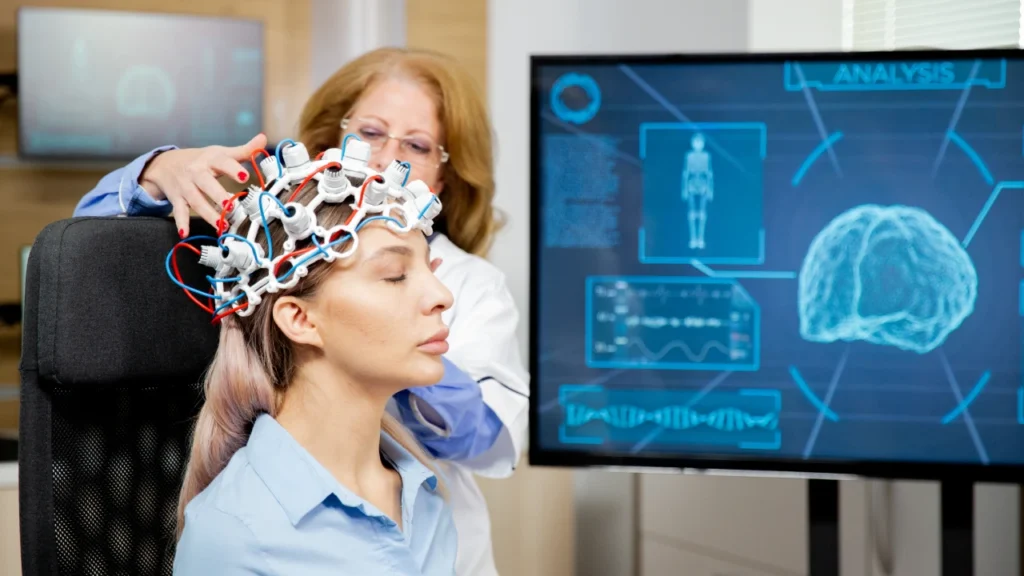
A brain-computer interface is a system that captures neural signals from the brain, interprets them with algorithms, and turns them into commands to control external devices. These signals can be recorded through non-invasive methods, like electroencephalography (EEG) sensors on the scalp, or through invasive implants that directly connect with brain tissue.
BCIs usually have three main parts: signal acquisition, signal processing, and output execution. Neural activity is detected, decoded using machine learning or signal-processing techniques, and finally turned into actions like moving a cursor, controlling a robotic limb, or generating speech. While early BCIs had limitations in speed and accuracy, recent advancements in neuroscience, AI, and materials science have greatly improved their performance.
Medical and Therapeutic Uses Today
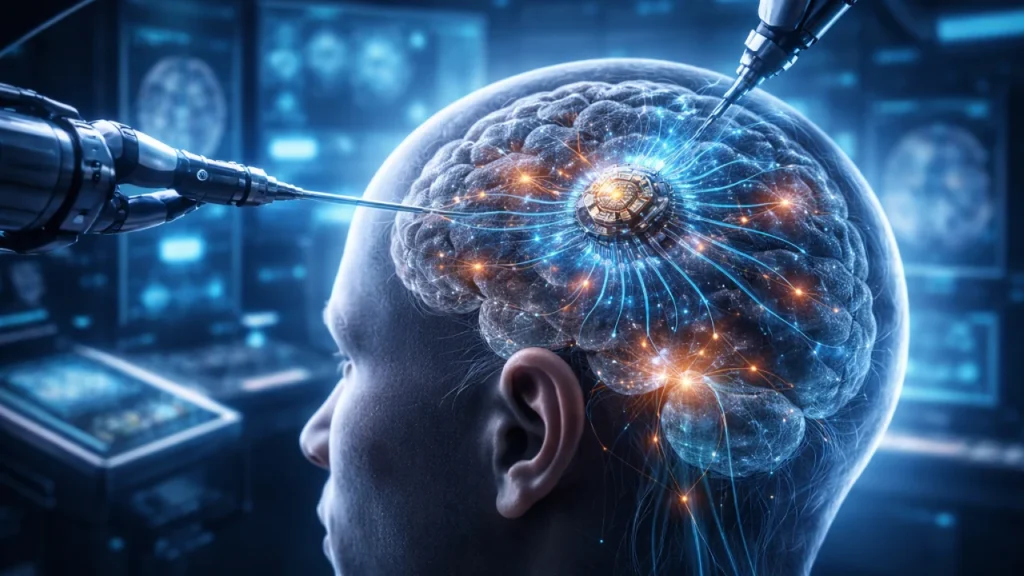
The most impactful applications of BCIs are currently in medicine and rehabilitation. For people with paralysis, spinal cord injuries, or neurodegenerative diseases, BCIs offer a way to regain some independence. Implanted BCIs allow patients to control robotic arms, type messages, and interact with digital interfaces using only their thoughts.
In stroke rehabilitation, non-invasive BCIs help retrain damaged neural pathways. By connecting brain signals to visual or tactile feedback, these systems motivate the brain to relearn motor functions, leading to better recovery outcomes. BCIs are also being studied as treatments for conditions like epilepsy, Parkinson’s disease, and depression, where targeted neural stimulation can help manage abnormal brain activity.
Another promising area is communication. BCIs have enabled patients with locked-in syndrome to express words or sentences by decoding neural signals related to language intent. While these systems are still slower than natural speech, they mark a significant breakthrough for those who previously had no reliable way to communicate.
Consumer and Non-Medical Applications
Outside of healthcare, BCIs are starting to show up in consumer and research settings, though still in limited and experimental forms. Non-invasive BCIs are being tested for gaming, virtual reality, and hands-free device control. In these cases, users can conduct simple actions like selecting options or controlling movement using their brain activity.
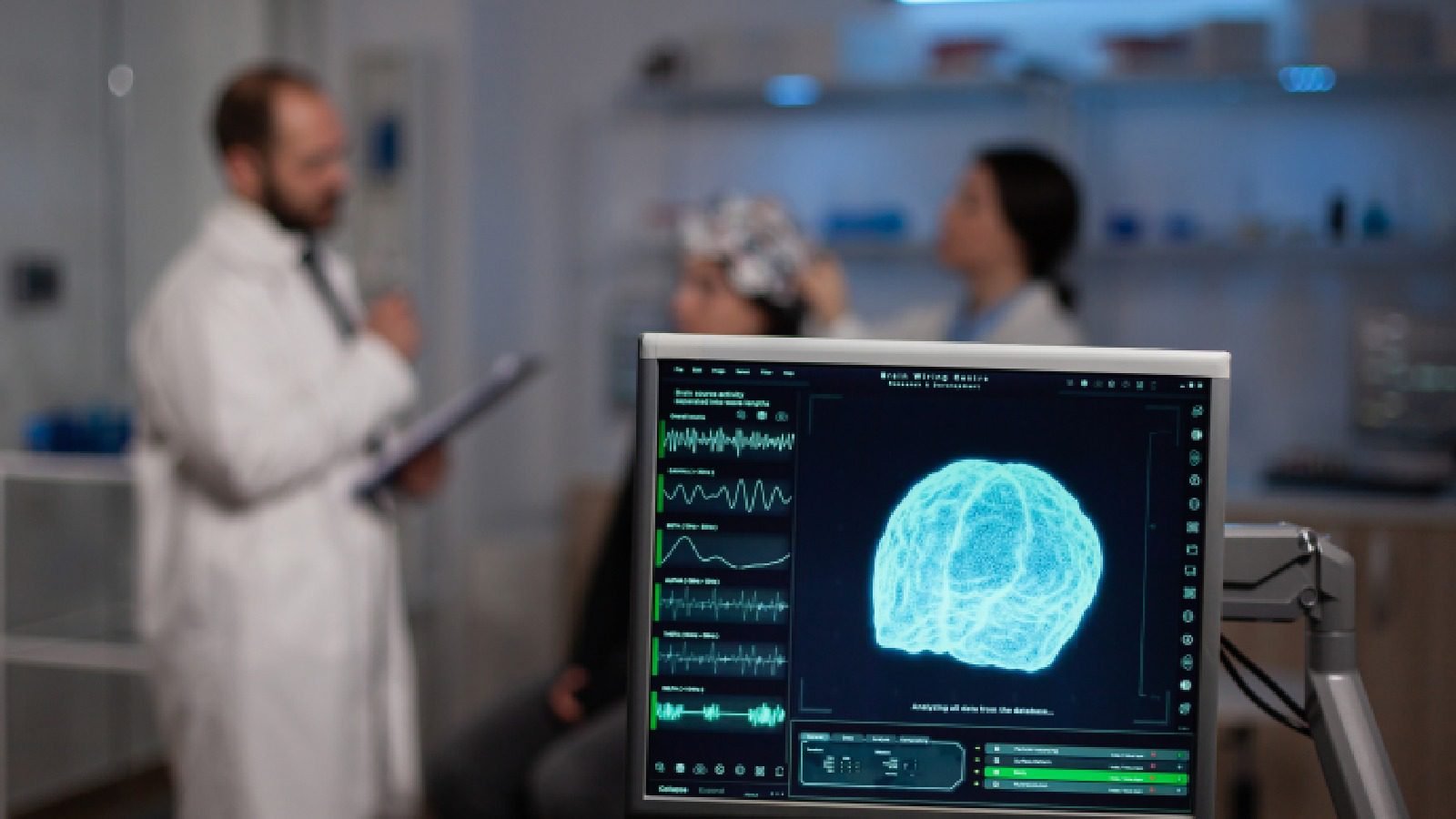
In workplaces, researchers have looked at BCIs to monitor cognitive load, fatigue, or attention. Such systems could theoretically enhance safety in high-risk environments by alerting workers when their focus dips. However, these applications raise concerns about surveillance and misuse.
Education and training may also become key areas for BCIs. Researchers are investigating whether BCIs can boost learning by providing real-time feedback on attention or engagement levels. While the idea of cognitive enhancement is intriguing, practical and ethical issues currently limit wider deployment.
Technical and Biological Safety Concerns
Safety is a major concern in BCI development, especially with invasive systems. Implanting electrodes in the brain involves surgical risks like infections, bleeding, and tissue damage. Over time, implanted devices may wear down or trigger immune responses that lessen their effectiveness.
Long-term data on the safety and durability of implanted BCIs are still scarce. Most clinical trials include small participant groups, making it hard to identify rare but serious complications. Non-invasive BCIs have minimal physical risks, but they also suffer from lower performance, and data quality can be impacted by noise and user differences.
Another issue is cybersecurity. Because BCIs connect directly with neural signals, software or hardware vulnerabilities could be risky. Unauthorized access or manipulation of BCI systems not only threatens data security but might also disrupt brain function, a serious concern for regulators, even if it remains mostly theoretical for now.
Ethical Questions and Human Agency
Ethical discussions around BCIs go well beyond physical safety. One key concern is mental privacy. Neural data is very personal and could reveal information about emotions, intentions, or health conditions. Figuring out who owns this data, how it’s stored, and who can access it is a complex issue.
There are also questions about autonomy and consent. In medical settings, patients might feel pressured to try experimental technologies. As BCI systems become more complex, ensuring informed consent becomes more challenging, especially when their long-term effects are uncertain.
Another ethical aspect involves identity and agency. If a BCI affects decision-making or behavior through stimulation, it can blur the lines between user intent and machine influence. Philosophers and ethicists debate whether such systems could change a person’s sense of self or responsibility, particularly if mistakes happen.
Regulatory Landscape and Oversight
BCI regulations vary widely by country and application. Medical BCIs are usually regulated as medical devices, necessitating thorough clinical trials and safety approvals. In the United States and Europe, regulatory agencies strive to balance patient safety with the need for innovation.
Conversely, non-medical BCIs often exist in regulatory gray areas. Consumer-grade brain-sensing devices may not face the same oversight, which raises issues about exaggerated claims and insufficient protections. Policymakers are becoming more aware of this gap and are looking into frameworks to address safety and ethical concerns.
International organizations and academic groups have started to draft ethical guidelines for neurotechnology, focusing on principles like transparency, accountability, and human rights. These efforts aim to ensure BCI development aligns with societal values rather than just business interests.
What the Future May Hold
In the future, BCIs are likely to become more accurate, less invasive, and better integrated with AI systems. Advances in materials could lead to flexible, biocompatible implants, and improved algorithms may enhance signal decoding. These improvements could broaden clinical applications and lower risks.
However, widespread consumer use remains uncertain. The complexity, cost, and ethical concerns surrounding BCIs suggest their growth will be gradual and closely watched. Building public trust will be essential for determining how far this technology advances beyond medical use.
Conclusion: Promise With Precaution
Brain-computer interfaces offer great promise, especially for restoring function and communication for people with severe neurological conditions. At the same time, they bring significant challenges relating to safety, privacy, and ethics. Moving forward will require careful regulation, transparent research, and ongoing discussions among scientists, policymakers, and the public.
Rather than seeing BCIs as a quick path to human enhancement, it’s more practical to view them as powerful medical and assistive tools, with broader implications still unfolding. Their future will depend not just on technological advances but also on society’s ability to set responsible limits for linking minds and machines.
