




Table of Contents
Highlights
- iOS in 2025 focuses on a polished user experience, privacy-first AI, and seamless ecosystem synergy.
- Android advances with unmatched customization, diverse hardware, and bold AI-driven innovation.
- Security improves on both platforms, with Apple prioritizing control and Android offering flexible protection.
- The 2025 iOS vs Android choice depends more on lifestyle fit than technical differences.
In 2025, the smartphone debate still sparks the same familiar conversations at dinner tables and office cafeterias across the world: “Should I switch to iPhone?” “Is Android giving better value now?” “Which one is more secure?”
But beneath these casual questions lies a more profound truth: iOS and Android are no longer just operating systems. They are ecosystems woven into people’s daily lives, shaping how we communicate, collaborate, create, and even express ourselves. Over the last decade, both have evolved dramatically. And today, their differences reflect not only technical philosophies but two distinct views of what personal technology should be. So, what’s really different now? And which one is right for you? The answer is more nuanced than ever.
iOS: Elegance and Cohesion
Apple has spent years perfecting one thing: experience.
In 2025, iOS remains the gold standard for fluidity, polish, and a deep ecosystem. Everything, from how apps behave to how your watch syncs with your phone to how your photos appear on your Mac, feels deliberate and tightly integrated.
Apple Intelligence
With Apple Intelligence now built directly into iOS, features like on-device personal assistance, natural-language editing, emotion-aware photo curation, and private cloud processing have become everyday utilities. iPhone users often say they feel like their devices “just know what they want.”

The emphasis is on privacy-first machine learning: a strong reassurance in a world where AI is embedded into almost every app.
Ecosystem Lock-In
From AirPods that instantly switch between all your devices to seamless Airdrop transfers to the ease of picking up FaceTime on any screen, Apple’s ecosystem is more effortless than ever. This unity is iOS’s biggest strength and also what some critics call its golden cage. Staying inside Apple’s world feels wonderful. Leaving it feels impossible.
Customization: A Little More, but Still Apple-Style
iOS 18 and 19 brought new lock-screen flexibility, themes, and icon personalisation. But even now, Apple limits changes to maintain uniformity. In 2025, customisation exists, but never at the cost of visual consistency.
Android in 2025: Freedom and Innovation
If iOS is a luxury hotel with strict rules, Android is an entire city: vibrant, sprawling, and full of choices.

AI at the Core
Led by Google, Samsung, and a growing group of Chinese manufacturers, Android in 2025 is deeply intertwined with AI agents, multimodal assistants, and predictive interfaces. Key advances include:
- Circle to Search 2.0
- Real-time voice translation baked across apps
- AI-generated wallpapers and interface themes
- On-device app automation workflows
- More intelligent spam filtering and scam detection
Android’s open structure allows manufacturers to innovate quickly. As a result, you’ll find AI everywhere, from the camera pipeline to productivity tools to battery optimization.
Hardware Variety
Foldables, rollables, compact flagships, gaming phones, and AI-accelerated mid-ranges, Android’s diversity in 2025 is unprecedented. This variety ensures:
- More price choices
- More form factors
- More experimentation
- Faster adoption of new tech
For users, it means there is always a device tailored to their needs, something iOS cannot offer.

Customization without Limits
Android allows you to rebuild your device’s interface from scratch:
- Icon packs
- Widgets anywhere
- Third-party launchers
- Lock-screen mods
- Multilayered themes
- System-wide aesthetic presets
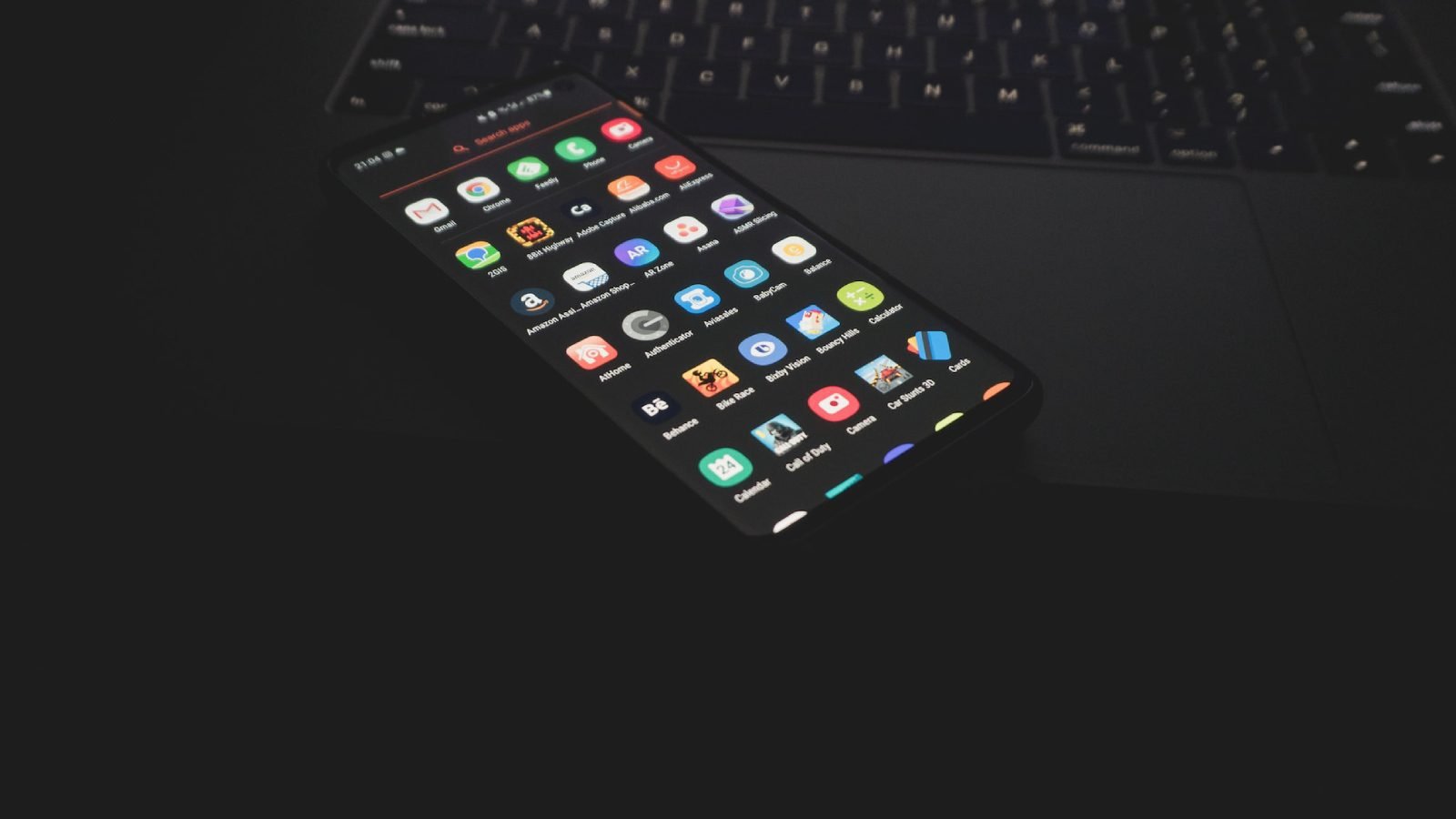
In 2025, users see Android as a digital canvas rather than a locked layout. It reflects personalities: minimalist, chaotic, aesthetic, productivity-focused, or gamer-centric.
Security and Privacy
Privacy debates have matured in 2025.
Users know both ecosystems have strengths and limitations.
iOS
- Strict sandboxing
- Minimal background access
- Strong on-device AI processing
- Limited app permissions
- Faster security patches

Apple still controls apps heavily to prevent abuse. This reduces flexibility but boosts trust.
Android
- AI-powered fraud detection
- Real-time malware scanning
- Verified boot and stronger encryption
- Stricter Play Store requirements
- More transparency controls
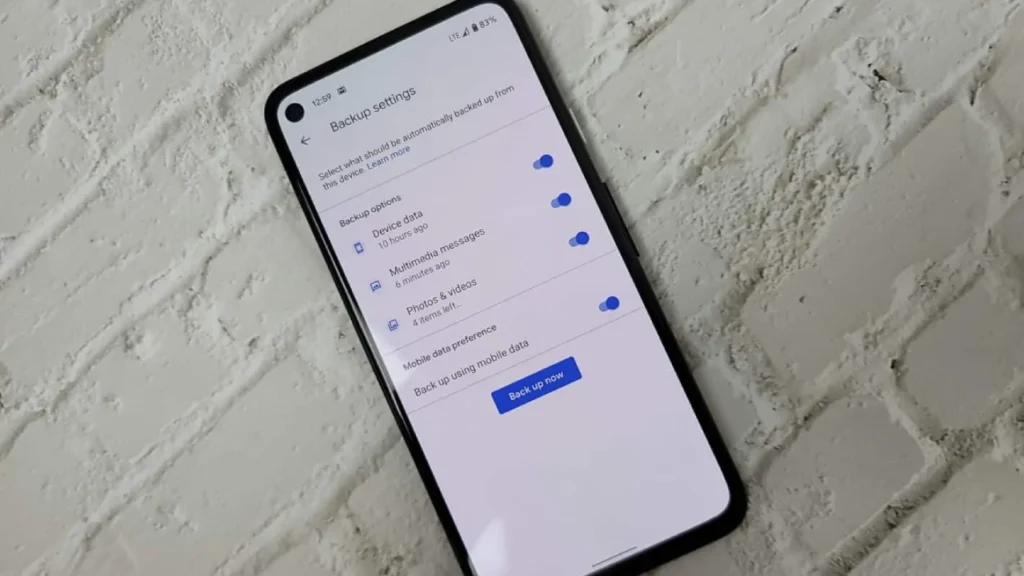
Android has dramatically closed the security gap, but fragmentation still delays updates for some devices. Apple protects users by limiting them, while Android protects users while letting them take risks.
AI Assistants
Apple’s Position
Apple Intelligence significantly upgraded Siri, making it more contextual, more personalized, and far more helpful. It handles writing, editing, summarizing, reminders, scheduling, and photo management with elegance. But Apple remains cautious, prioritizing safety over speed.
Google’s Strength
Gemini-powered Android devices offer:
- Multimodal reasoning
- Cross-app automation
- Real-time image understanding
- Interactive AI overlays (e.g., Notes summaries, auto-sorted email replies)
Google’s AI feels bold, experimental, and occasionally magical.

Samsung’s Twist
Samsung’s Galaxy AI pushes productivity features:
- Live translation in calls
- Smart photography corrections
- Generative editing tools
- Note summarization and auto-formatting
Android’s openness also allows users to install third-party assistants, giving more freedom.
Ecosystem Wars: Closed vs Open
iOS Ecosystem Strengths
- Seamless cross-device workflows
- Highest longevity of updates
- Best app optimization
- Strong resale value
Android Ecosystem Strengths
- Choice across prices and manufacturers
- Deep customization
- Innovation in form factors (foldables, rollables)
- Wider hardware integration (earbuds, TVs, watches)
In 2025, ecosystems matter more than the phones themselves. People increasingly choose platforms for lifestyle compatibility, not specs.
Who Should Choose What? A more Human Answer
Users should choose iOS if they want:
- Effortless, polished experience
- Best long-term reliability
- Strong privacy controls
- A unified ecosystem
- Great value retention
- Minimal tinkering
Users should choose Android if they want:
- Maximum customization
- Better value at any price point
- Cutting-edge AI features
- Variety of hardware
- Expandable storage (in many models)
- Freedom to explore and modify
Conclusion
In 2025, the iOS vs Android rivalry is less about competition and more about coexistence. Both platforms have matured into robust, polished systems shaped by real user needs. iOS remains the champion of refinement, predictability, and privacy-conscious intelligence. Android continues to push the boundaries of creativity, customization, and rapid innovation.
What’s really different now is not how far apart they are, but how clearly they reflect the lifestyles of the people who choose them. In the end, the best operating system is the one that feels like an extension of you, your habits, your tastes, your pace, and the world you move through every day.
