


Table of Contents
Highlights
- Personal cloud storage enables users to keep their data private and in their control, whereas subscription-based cloud storage services prioritize convenience and scalability.
- Platforms such as Google Drive, iCloud, and OneDrive are the dominant players in the cloud storage space, as they target the majority of users who prioritize usability, low price points, and cloud backup within a single ecosystem.
- As privacy and long-term cost savings are more important to more users than convenience, personal cloud devices (NAS systems or self-hosted drives) are becoming more popular.
- When deciding between the two, the main comparison is personal ownership versus the convenience of accessing your data.
As users become more digital in 2025, hybrid models that merge self-hosted storage with cloud-backed storage, as the “best of both worlds,” are most certainly an option.
Every picture you take, file you store, or movie you stream in 2025 will eventually go to one place – the cloud. However, amid the overwhelming growth of our digital footprints, a question persists: where do we want all this data to live?
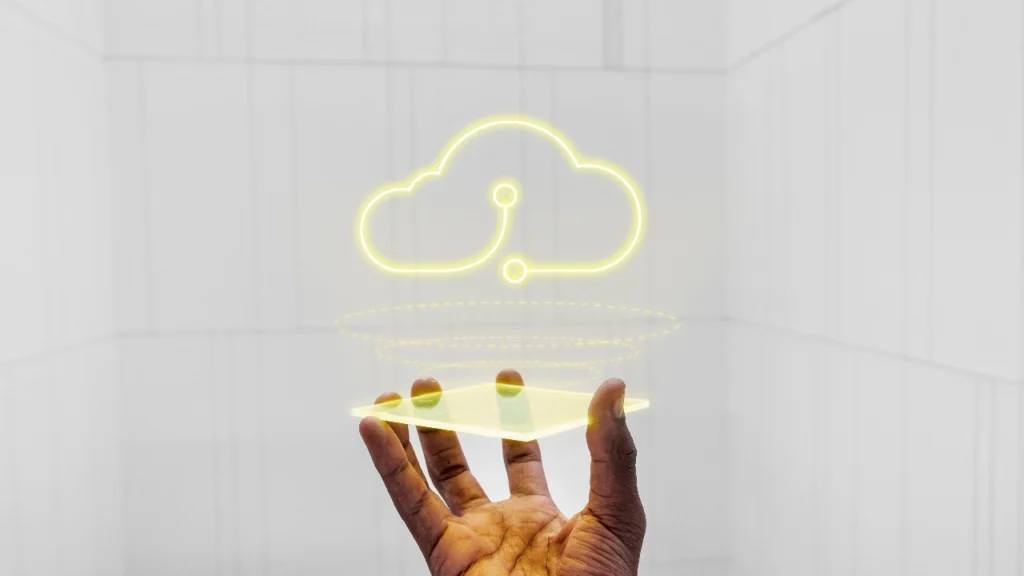
The arena of personal cloud storage (such as Synology NAS, WD My Cloud, or a self-hosted drive) paired up against subscription-based cloud services (like Google Drive, Dropbox, or iCloud) is no longer simply a technological debate but a consideration of privacy, costs, and most importantly, control.
Both systems can provide security and public accessibility.
Understanding Personal Cloud Storage
Personal cloud storage is essentially its own private cloud server, a device such as a NAS (Network-Attached Storage) in your home network that allows you to store your data on your own devices locally and still access that device remotely.
Pros include
The decision of how, where, and when to store data is all yours. Other than minor ongoing charges after your initial setup, there are no bills. Users do not have to share data with a third party. Customization includes adding drives, changing capacity, loading your own software, etc.
Cons include
High up-front cost; devices can be anywhere between ₹25,000 and ₹100,000+.
The user is fully responsible for maintaining the hardware, power, and connectivity. The cloud-style integration is limited and not as simple across devices as it is when using ecosystems like Google or Apple.

Personal cloud users are typically professionals, hobbyists, or small businesses that prioritize data sovereignty, meaning keeping their files in-house and offline.
Subscription-based cloud storage: the convenience king
If you currently use Google Drive, iCloud, OneDrive, or Dropbox, you are already in the subscription cloud game.
This is the most common design due to its ease of use—no setup or maintenance, complete access from your smartphone, tablet, and PC.
Advantages include
It is user-friendly, as device access is plug-and-play. Files are synchronized automatically and can be recovered easily.
Sharing and simultaneous edits can be done easily with built-in options. It is scalable, with storage increasing in seconds.
Disadvantages include
Ongoing costs are high as subscriptions can add up quite a bit over a number of years. Providers can suspend your access, or delete inactive accounts. Metadata is often collected for advertising or analytics even if it is anonymized at times.
For users using a storage solution casually or on a regular / professional basis focused on speed and reliability, subscriptions are currently the default option.
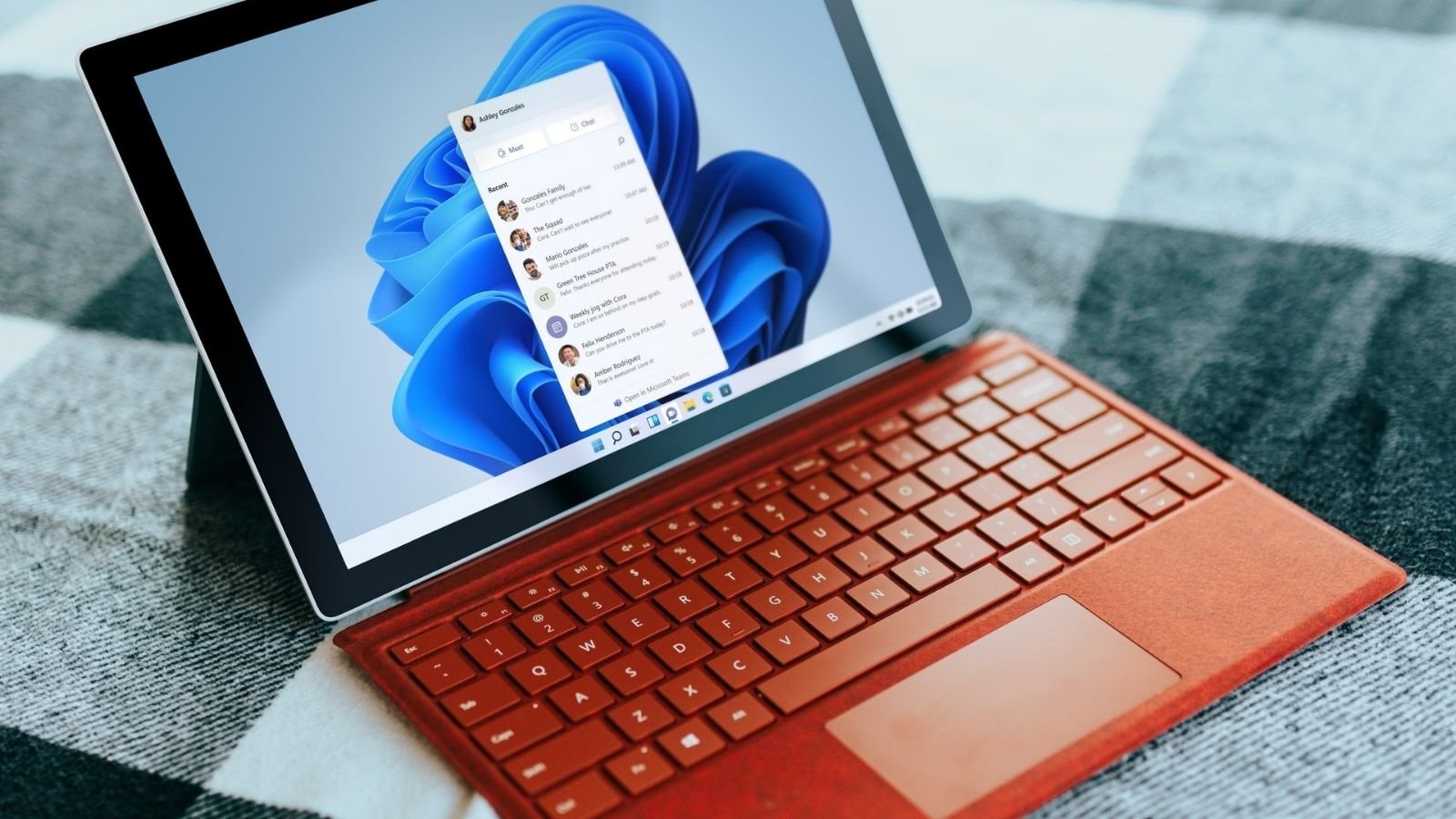
Comparison of solutions for short-term and long-term
Over time, personal cloud solutions allow users to save about 20–30% relative to subscription models with constant pricing. Although at first it may seem costly to purchase an NAS device and storage drives, over time these costs are offset by avoiding the recurring subscription fee.
It should also be noted that creating a personal cloud is not the simplest project; it requires a modicum of technical knowledge to set up, configure, and maintain it. Users managing a personal cloud need to be comfortable accessing and modifying their network settings, device firmware, and data security settings.
There is a learning curve, but it is worthwhile primarily for the long-term financial and privacy-protection benefits of a personal cloud.
Privacy and Security: Who is the owner of your data?
In the current era of data monetization, control over personal data is an important issue. Clouds that are subscription-based will encrypt your data, but data providers will still have access to encrypted metadata – who shared, when, and from where.
Personal clouds will provide local data encryption with a zero-knowledge provider – the user would be the only one with access to their data and can decrypt it.
However, personal clouds are not invincible. Hackers can still hack into personal servers, but it takes strong passwords and specific firmware settings to be remotely successful.
To summarize, subscription cloud is for convenience and layers of corporate security, while personal cloud is for privacy but requires the user to undertake full responsibility.
Accessibility and Performance
Subscription services use CDNs (Content Delivery Networks), a global set of servers that ensure anyone can access your files quickly and consistently from virtually anywhere. You could be in a Tier-2 city or on a moving train, and your files would load almost instantly.
Personal clouds will rely solely on your own internet speed; if you have fast upload bandwidth, great. If not, accessing files remotely could get frustrating quickly.
That being said, hybrid NAS solutions (like Synology’s QuickConnect or WD Cloud OS) are being developed and are slowly enabling a quick and efficient way to combine the convenience of either private storage or an online service to access your storage.
The Emergence of Hybrid Storage: A Compromise
By 2025, users were increasingly choosing hybrid approaches:
Keeping sensitive documents on personal clouds (like ID or financial records), along with subscribing to clouds for sharing, collaboration, or backup.
This approach gives customers the best of both worlds—feeling secure while having file access.
For example, a writer or a designer will keep drafts on local storage and share completed documents (I.e., the final draft) using Drive. A business will keep internal documents in-house or use OneDrive to deliver final documents to clients.
Hybrid is also becoming prevalent in smart home ecosystems, with users backing up their documents to Google Drive while their NAS systems automatically back up all data.
Market Data Trends: What the 2025 Data Shows
As stated by Statista (2025):
- 72% of global internet users still use at least one paid cloud storage subscription.
- Personal cloud revenues increased by 18% year-on-year, driven in part by various privacy regulations (e.g., India’s Digital Personal Data Protection Act, 2023).
- The NAS market is expected to exceed ₹1,200 crores in India by 2027.
All these contribute to one conclusion: redundancy is here to stay… the future of storage is multiple islands.
Environmental and Energy Factors
Subscription cloud providers operate enormous data centers that consume megawatts of power a day. The devices running your personal clouds consume local energy, of course, but you can also negotiate low-power drives and solar energy sources.
Neither is ideal for the environment, but a self-hosted cloud can reduce your carbon footprint as a small consumer.
Conclusion
If you prefer a hassle-free solution, like backups taken care of and sharing with others — go with a subscription storage company.
If you look for more control over what and how long you may store your digital material, prefer long-term savings, and want to retain privacy — build your personal cloud.

If you like both features – go with the hybrid cloud, and you will begin to enter the cloud storage market in 2025, pending corporations.
The takeaway from cloud storage is that it is not about where your files are stored, but rather how much trust you have in the system that holds them.
By and large, owning your data is not for everyone, but to those who enjoy being free to do as they wish, a personal cloud is more than a storage option; it is ownership and freedom.