Highlights
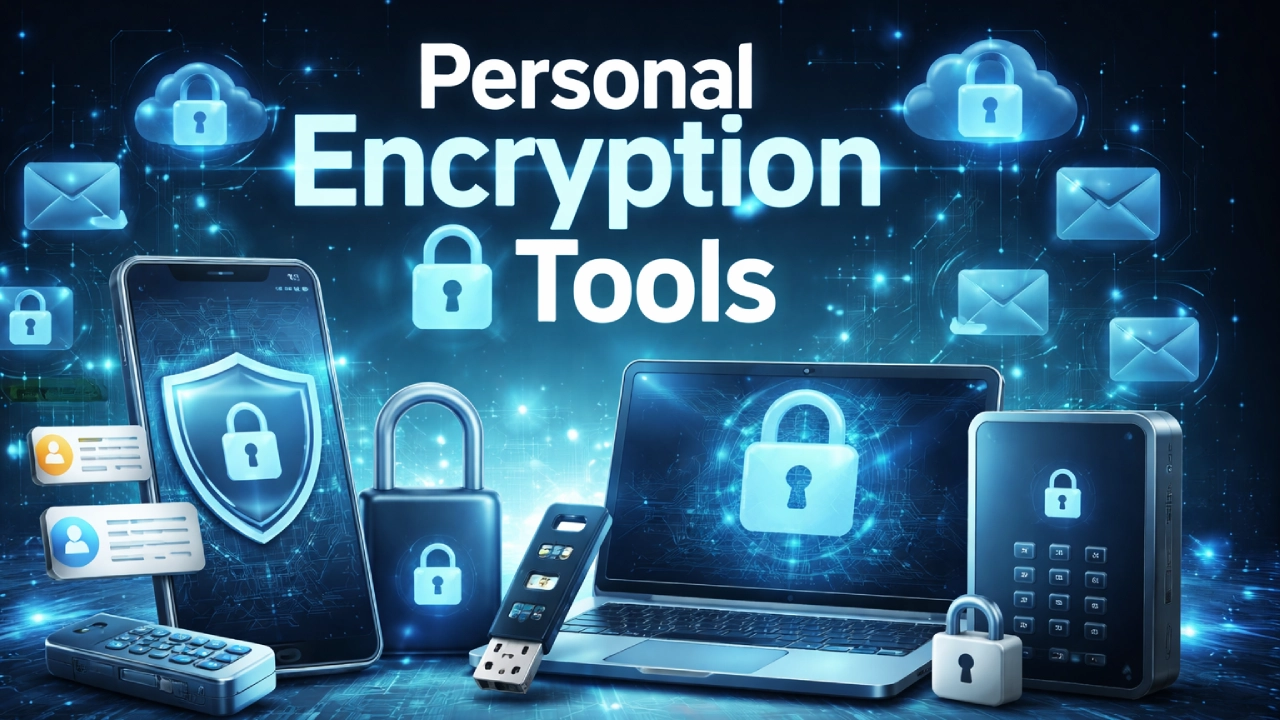
- Personal encryption tools in 2025 secure messages, files, and calls using end-to-end encryption and privacy-first design.
- Client-side encryption, full-disk protection, and hardware security keys reduce data breach and theft risks.
- Trust in personal encryption tools depends on open-source code, independent audits, and minimal metadata collection.
Privacy no longer feels like an abstract ideal, but a practical requirement. In 2025, the average person’s digital life spans messaging apps, cloud drives, video calls, work documents and hardware tokens. Each of those touchpoints offers an attack surface and, with it, a promise: choose the right tools and your messages, files and calls can be private; choose poorly, and you may be exposing more than you realise.
This article takes stock of the encryption landscape today, software and hardware, and evaluates them across four practical dimensions: ease-of-use, price, cross-platform support, and trust. The goal is not to fetishise cryptography, but to help readers pick tools that actually fit real lives.
Messaging and calls: practical end-to-end protection
For most people, end-to-end encrypted messaging is the single most important privacy decision they make. Signal remains the yardstick: an open-source protocol, regular audits, and a user experience that puts secure calls and messages behind a familiar interface make it the first choice for privacy-minded users and journalists alike. Its continued development in 2025 has reinforced Signal’s position as a trust anchor for secure communications.
WhatsApp also provides default end-to-end encryption for messages and calls, and remains the practical choice for reaching mass audiences; however, its connection to a large ad-focused company and differences in metadata handling make it a less pure privacy choice for high-risk users. Choosing between the two is often a matter of trade-offs: Signal for maximum privacy and minimal metadata, WhatsApp for convenience and ubiquity.
Ease-of-use: excellent for Signal and WhatsApp; moderate for niche apps.
Price: generally free.
Cross-platform: Android, iOS, and desktop for the main players.
Trust factor: highest for open-source, audited implementations.
Encrypted productivity and file storage: from docs to drives
Encryption for documents and cloud storage has matured into two practical approaches: encrypt before upload (client-side) and rely on services that minimise data access. Newer privacy-first suites are expanding rapidly; for example, Proton’s encrypted document and spreadsheet tools have introduced end-to-end encryption into collaborative productivity software, aiming to give users Google-style workflows without handing the provider access to plaintext. That trend matters because it brings usable, encrypted collaboration to everyday workflows.

For personal file storage, tools like Cryptomator offer file-level, client-side encryption that creates encrypted “vaults” which sync with mainstream clouds (Dropbox, Drive, OneDrive) while keeping the cloud provider blind to contents, a practical way to combine convenience with privacy. Cryptomator’s open-source model and straightforward setup make it one of the most accessible options for non-technical users.
Ease-of-use: client-side encryption tools are increasingly user-friendly; integrated encrypted suites are getting smoother.
Price: from free open-source options to modest subscription fees for fully managed encrypted suites.
Cross-platform: wide support (mobile, desktop, web).
Trust: highest for open-source and independently audited services.
Full-disk encryption and containers: the last line of defence
Device theft is still common; full-disk encryption (FDE) prevents casual access to data on lost laptops and phones. Built-in solutions (FileVault for macOS, BitLocker for Windows, LUKS for Linux) are now standard fare, and well-maintained third-party container tools like VeraCrypt continue to serve users who need cross-platform, file-based encrypted volumes. Recent VeraCrypt updates in 2025 keep the project relevant for users seeking audited, open-source disk encryption, which matters when you want to avoid reliance on a single vendor
Ease-of-use: modern OS FDE is largely transparent; containers require a little more maintenance.
Price: free for built-in and many open-source tools.
Cross-platform: mixed, OS native FDE varies by system; containers provide portability.
Trust: strong for open projects with active maintenance and signatures.
Hardware keys and encrypted drives: moving security off the main device
Software can be compromised; hardware isolates keys and reduces the attack surface. FIDO2 hardware tokens (YubiKey and others) are the practical standard for phishing-resistant authentication and are now widely supported by major platforms and services. A physical security key replaces or augments passwords and prevents credential theft even if a device is breached. Their expense is modest relative to enterprise risk, and as standards-based devices, they work with many services without vendor lock-in.
On the storage side, hardware-encrypted USB drives (Kingston IronKey, Apricorn, Aegis and others) offer self-contained PIN entry and AES hardware crypto; they are recommended when you need to carry highly sensitive files physically. Reviews and buyer guides in 2025 still place premium encrypted drives as the most tamper-resistant option for transportable data.
Ease-of-use: Hardware keys are simple to use once provisioned; encrypted drives require protective habits (secure PINs, backups).
Price: from affordable (security keys) to premium (FIPS-level encrypted drives).
Cross-platform: generally broad thanks to open standards, though some devices require drivers.
Trust: high for reputable vendors and open standards, but watch for supply-chain concerns and prior vulnerabilities.

Trust factors: audits, open source and metadata
Trust rests on transparency. Open-source implementations allow independent review of cryptographic correctness; regular third-party audits and PGP-signed releases for disk tools raise confidence. Beyond raw encryption, metadata practices, what a service stores about who you message and when, are the next battleground. Even perfect content encryption is undermined if a provider hoovers up rich metadata.
As you evaluate tools in 2025, prioritise: open protocols, independent audits, clear data-handling policies, and community scrutiny. Those factors are better predictors of long-term reliability than marketing claims.
Practical buying guidance
- Start with threat modelling: If you’re protecting casual chats, use Signal or a widely used encrypted messenger. If you need to move highly sensitive data, add a hardware-encrypted drive and client-side vaults.
- Prefer open standards: FIDO2, Signal Protocol, and open-source vaults give you the freedom to switch vendors without losing data.
- Balance convenience and control: Built-in OS encryption is convenient; client-side encrypted vaults give control. Combine both.
- Invest in backups and recovery: Hardware keys and encrypted containers can lock you out permanently if you lose keys; design a secure recovery plan.
- Watch for metadata leaks: When possible, choose providers that limit stored metadata or offer zero-access backups.

Conclusion
In 2025, the encryption toolkit is richer and more usable than ever. From Signal’s hardened communications to encrypted productivity suites and hardware tokens, the technology exists to keep messages, files and calls private without living in a command line. Yet tools are only useful when they fit into daily life: usable interfaces, cross-platform compatibility, and transparent trust models matter as much as algorithmic strength.
Pick tools that you can actually use, that match your risk level, and that are backed by open standards and independent scrutiny. Privacy is not a single product, but a set of choices that add up to dignity, safety and control in an increasingly networked world.