





Table of Contents
Highlights
- Samsung Ballie robot disappears from official website, hinting at possible discontinuation.
- No formal cancellation announced, but missing updates and product pages signal a shift.
- Samsung appears to refocus on AI software, SmartThings, and connected devices.
- Ballie joins other ambitious consumer robotics concepts that never reached the market.
The official website deletion of the Samsung Ballie Robot shows that Samsung has stopped development of the robot. The small rolling robot assistant, first unveiled as a concept and later reintroduced with updated features, has now disappeared from Samsung’s official website, which leads to speculation about the project’s status because its development has either been put on hold or terminated.
Tech observers first detected the removal, and Samsung product page inspections confirmed that Ballie references had mostly disappeared from their system. The change indicates that the company has ended its plans to sell this device according to its previously disclosed business plans.
Ballie Vanishes From Samsung’s Product Pages
Recent reports show that Ballie has disappeared from Samsung’s official product directories, which include smart home pages that contained information about connected home devices. The disappearance has fueled speculation that the robot has been quietly discontinued after years of announcements without a commercial release.

Samsung has not announced any official statement about the cancellation. The removal from its site and the lack of recent updates point to a significant shift in the project’s status. The Ballie robot appeared in multiple tech events and promotional materials, yet it never became available for purchase at retail stores.
The absence of the robot from Samsung’s current product lineup suggests that the company may have moved on from the concept or is reworking it internally.
A Robot That Never Fully Reached Market
Ballie was originally introduced as a small rolling robot designed to act as a home assistant that could control smart devices and follow users throughout their home while using AI-driven features to interact with them. Samsung demonstrated new versions of the robot throughout several years, which showed better performance through their implementation of smart home functions and projection technology.
The product stayed in its prototype and concept stage because demonstration attempts failed to show its complete functionality. Samsung provided release date possibilities through earlier announcements, but it never verified an actual commercial launch date. The device became one of the company’s most talked-about yet unreleased consumer products.
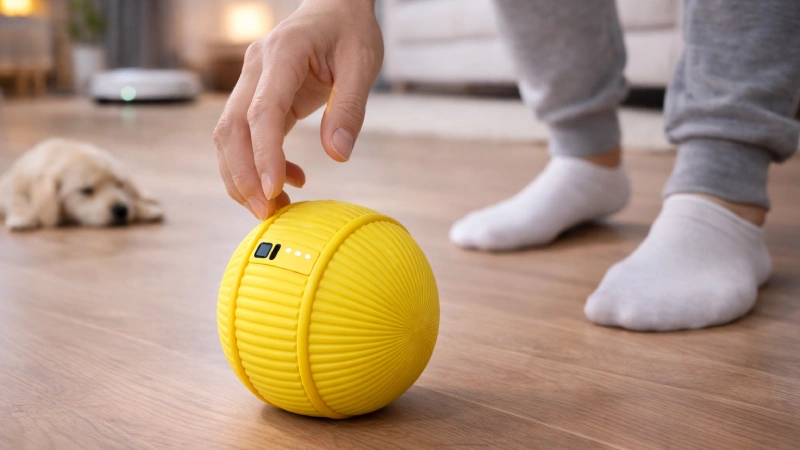
The absence of a retail product made Ballie exist as a concept that represented Samsung’s vision of AI-driven home robotics instead of an actual product that people could purchase.
Why the Removal Matters
The disappearance of Ballie from Samsung’s site is significant because it suggests the company may be re-evaluating its strategy for home robotics. Samsung has dedicated most of its research resources to developing smart home systems, artificial intelligence systems, and interconnected devices during the last three years. The main function of Ballie within that system required it to work as a mobile assistant and controller for the entire system.
The creation of a home robot that is ready for consumer use presents businesses with multiple difficulties because it requires them to spend substantial resources. Most people only purchase domestic robots that either vacuum their homes or mow their lawns, so the domestic robot market has not yet developed beyond these two types of products. Businesses encounter difficulties when they attempt to achieve a proper balance between product functionality and manufacturing expenses while maintaining dependable performance.
Samsung has removed Ballie from its website, which indicates that the company will now concentrate on software-based artificial intelligence and smart home technology instead of developing robotic hardware systems. The company continues to invest in AI features across TVs, appliances, and mobile devices, which may offer broader adoption and lower development risk.
Official Cancellation Has Not Occurred
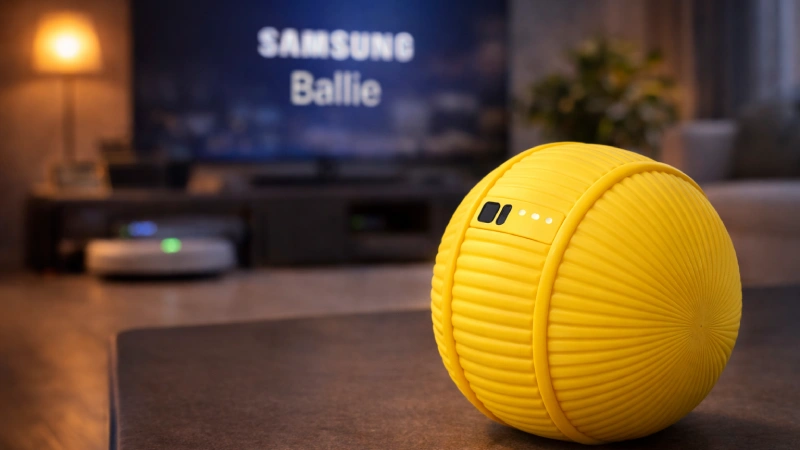
Samsung has not publicly announced any cancellation of Ballie despite the robot’s disappearance, which creates an impression that the project has been abandoned. The company might be working on new concepts or planning to introduce a new product with updated features and a market strategy.
Tech companies often remove products from public listings while redesigning or delaying them. The project appears to be abandoned because of missing updates and removal from official channels, which shows that Ballie’s original release plan will not proceed.
Samsung Smart Home Vision Development
Samsung uses its SmartThings ecosystem together with AI-powered appliances to build its complete smart home system. The company has chosen to implement AI technology through its current devices, which include TVs, smartphones, and home appliances, instead of creating an independent home robot.
Samsung can use this method to create smart home technology through existing devices that customers already possess. Ballie initially attracted interest because it presented an advanced idea, but the company now demonstrates greater interest in developing software and system integration.
The Bigger Picture
The disappearance of Ballie from public view demonstrates the challenges that companies face when they attempt to develop and market consumer robotics products. Tech companies have tested home robots through multiple projects, but only a few have managed to achieve successful large-scale product deployments.

Samsung has decided to remove Ballie from its website, which represents a major shift away from one of the company’s most ambitious hardware development initiatives. The robot’s absence demonstrates the difficulties faced by companies that attempt to transform innovative prototypes into marketable products.
Ballie now exists as part of a growing collection of technological ideas that created excitement but failed to achieve complete development.
