





Table of Contents
Highlights
- VR fitness platforms transform home workouts into immersive, game-like experiences using motion tracking and interactive environments.
- AI-powered coaching personalizes training in real time, supporting cardio, strength, flexibility, and mindfulness exercises.
- Advances in lightweight, wireless VR hardware are accelerating adoption, positioning VR fitness as a viable alternative to traditional home gyms.
The global fitness industry is undergoing a significant change as digital technologies reshape how people exercise, train, and maintain their health. One of the most transformative innovations is virtual reality (VR) fitness platforms. These platforms combine immersive digital environments, motion tracking, and AI-based coaching to create engaging at-home workout experiences. VR fitness, once seen as a niche area of gaming, is quickly becoming a serious alternative to traditional home gyms and commercial fitness studios. As hardware becomes more available and software improves, VR workouts are set to revolutionize home fitness.
The Evolution of At-Home Fitness
Home fitness has changed a lot over the past twenty years. Early solutions focused on equipment like treadmills, stationary bikes, and dumbbells. Later, video workout programs and mobile fitness apps introduced guided routines and progress tracking, making fitness more accessible and convenient. More recently, connected fitness platforms added live classes, leaderboards, and performance metrics, connecting home workouts with group training.
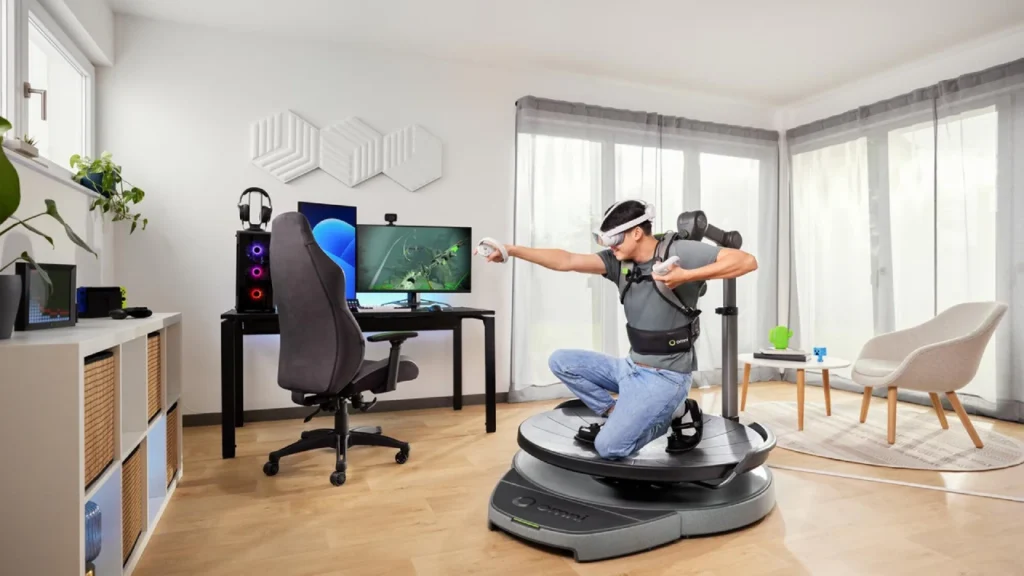
Despite these advancements, many users still struggle with motivation, consistency, and engagement. Repetitive routines, limited space, and a lack of immediate feedback can make it hard to stick with a program. VR fitness platforms seek to tackle these issues by turning workouts into immersive, interactive experiences that feel more like adventures than boring exercise sessions.
What Defines a VR Fitness Platform
A VR fitness platform usually has three main components: VR hardware, immersive software environments, and intelligent coaching systems. Users wear a VR headset, often with motion controllers or body-tracking sensors, allowing the system to track movements in real time. The software places users in virtual environments—like futuristic cities, fantasy landscapes, or real gyms—where workouts are embedded into interactive scenarios.
Unlike traditional workout videos, VR fitness systems react to users’ actions. Squats, punches, lunges, and jumps are tracked and turned into in-game actions, ensuring that physical effort directly influences progress. This real-time interaction creates a sense of presence and immersion that regular fitness media can’t match.
Immersive Environments and Gamification
One of the standout features of VR fitness platforms is their ability to gamify exercise. Instead of counting reps or watching a clock, users might dodge obstacles, climb virtual mountains, or box digital opponents. These environments make workouts goal-driven, where progress is measured through in-game achievements rather than just physical metrics.

Gamification boosts motivation by activating reward systems associated with fun and competition. VR fitness platforms often include scoring systems, levels, unlockable content, and virtual rewards to keep users interested over time. Some platforms also have social features like multiplayer sessions, cooperative challenges, and global leaderboards, which add a community aspect and further enhance engagement.
This approach works well for users who find traditional workouts dull or intimidating. By focusing on exploration or competition instead of just physical effort, VR fitness makes exercise more approachable and enjoyable.
AI Coaching and Personalised Training
Artificial intelligence is key in setting VR fitness platforms apart from earlier digital workout solutions. AI coaching systems analyze user performance data, including movement accuracy, speed, range of motion, and endurance, to offer real-time feedback and personalized guidance.
These systems can change the intensity of workouts on the spot, adjusting feedback based on the user’s fitness level and fatigue. For example, if a user’s form starts to slip, the AI coach may provide corrective cues or suggest a brief break. Over time, the system learns from past data to create custom training plans that align with individual goals, such as weight loss, strength building, flexibility, or cardiovascular endurance.

Fitness Modalities Supported by VR
Modern platforms also integrate biometric data from wearables like heart rate monitors and smartwatches. This helps the AI assess exertion levels better and ensure workouts stay within safe intensity zones. As machine learning continues to improve, AI coaching in VR fitness is likely to match or even surpass the responsiveness of human trainers.
VR fitness platforms aren’t limited to one type of exercise. They support a variety of fitness activities, catering to different user preferences and needs. Cardiovascular training is one of the most popular applications, with activities like rhythm-based movement, virtual cycling, boxing, and high-intensity interval training (HIIT) that elevate heart rates.
Strength and resistance training are also gaining popularity, with VR systems simulating weightlifting using body-weight movements, resistance bands, or smart accessories. While VR cannot completely replace heavy free weights, it provides effective alternatives for functional strength, core stability, and muscular endurance.
Flexibility, mobility, and mindfulness exercises are becoming more common too. Virtual yoga studios, guided stretching, and meditation environments use VR’s immersive qualities to promote relaxation and mental well-being alongside physical health. This holistic approach matches the growing consumer interest in overall wellness, not just fitness.
Hardware Advancements Enabling VR Fitness
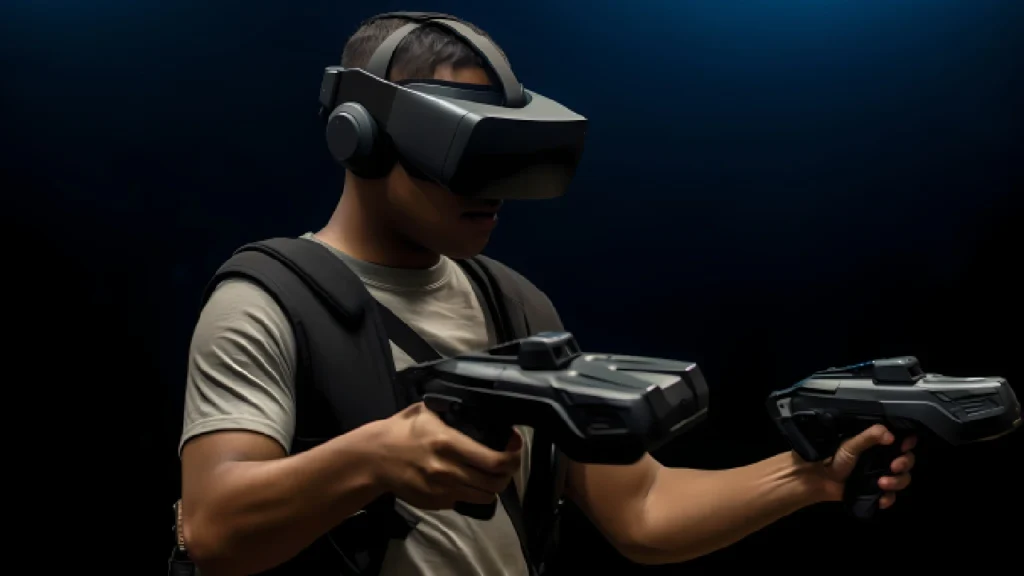
The success of VR fitness is closely linked to advancements in hardware. Early VR systems were bulky, costly, and relied on powerful computers, making them impractical for exercise. Present-day headsets are lighter, wireless, and more affordable, making them more suitable for movement.
Better motion tracking, inside-out cameras, and full-body sensors allow for more precise detection of movements. Improved display resolutions and wider fields of view help reduce motion sickness, which is important for longer workout sessions. Advances in battery life and heat management also support more intense and extended workouts.
As hardware continues to advance, VR fitness platforms are expected to become more comfortable, accessible, and versatile, further reducing barriers to use.
Challenges and Limitations
Despite its potential, VR fitness faces some challenges. One issue is the need for physical space. Users must have enough room to move safely, which can be a problem in smaller living spaces. Additionally, extended use of VR headsets can cause discomfort for some, especially during high-intensity workouts.
Another challenge is the learning curve associated with VR technology. While interfaces are improving, first-time users may need time to get comfortable. Although costs are decreasing, they can still be a barrier when considering headsets, accessories, and subscription fees.

There are also concerns about long-term effectiveness and injury prevention. While AI coaching lowers risk, improper movements in immersive setups could still result in strain if users are not mindful of their real-world body mechanics.
Conclusion
Looking ahead, VR fitness platforms will likely become a key part of the home gym landscape. Integration with augmented reality, mixed reality, and advanced haptic feedback could further blur the lines between digital and physical training. Future systems may simulate resistance more realistically, allow for outdoor-style workouts indoors, and seamlessly blend fitness, gaming, and wellness.
As AI models become more advanced, VR fitness platforms will offer increasingly personalized and adaptive training experiences for users of all ages and fitness levels. For many households, a VR headset and subscription might replace bulky equipment, providing a compact, versatile, and engaging alternative to traditional home gyms.
In this context, virtual reality fitness is more than just a tech novelty. It marks a significant change in how we experience exercise—where immersion, intelligence, and interactivity come together to reshape the future of at-home fitness.
