

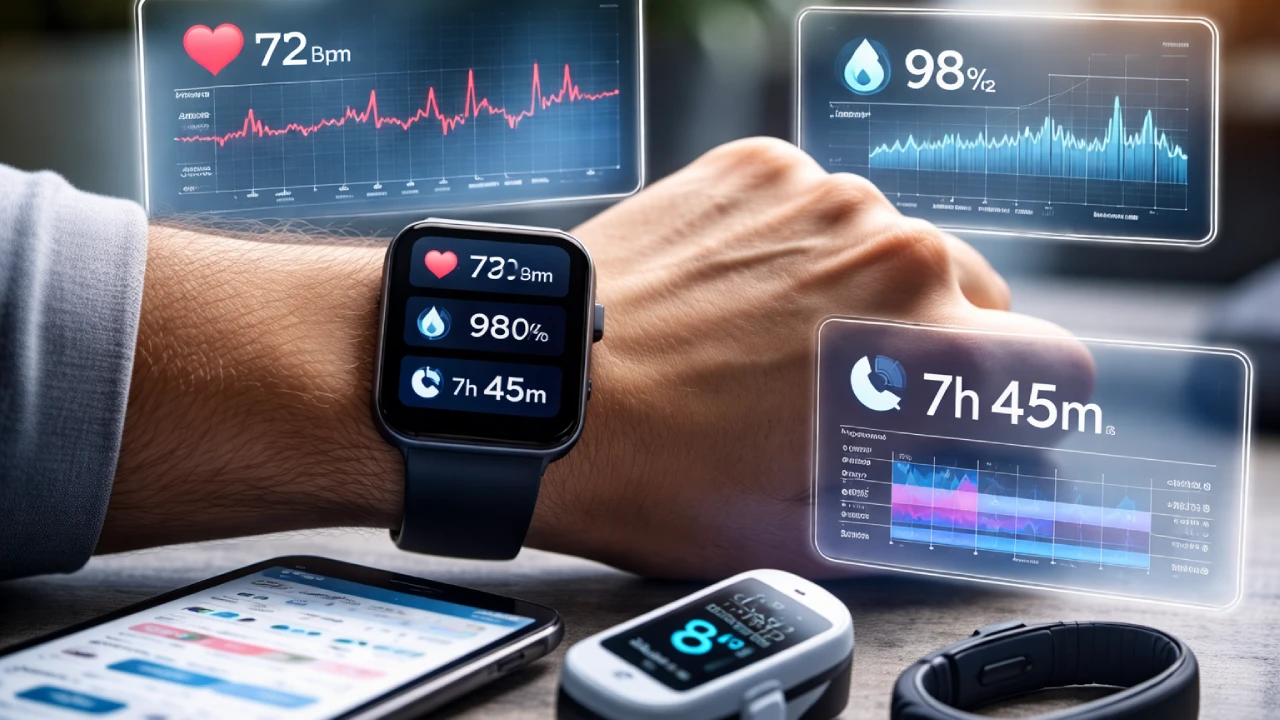
These days, almost everyone has a smartwatch or fitness band. Some people use it seriously. Some just wear it because it came with the phone. And many people check the health numbers once or twice a day without fully understanding them. Wearables accuracy test results show that modern smartwatches and fitness bands can track heart rate, SpO₂, and sleep patterns with useful trend-level insight, but they are not medical-grade tools.
But the truth is simple. Wearables are useful, but they are not perfect. And if youdon’tt understand how they work, the data can confuse you more than help you. This piece talks about wearable accuracy in a very basic way. What works, whatdoesn’tt, and how normal people should read this data without overthinking it.
Wearables Accuracy Test: How Smartwatches Measure Health Data
A smartwatch sits on your wrist. That itself explains half the problem. The wrist moves all the time. Skin changes. Sweat comes in. Blood flow is not strong there like fingers or the chest.
Inside the watch, there are small light sensors. These sensors shine light into your skin and then read how much light comes back. When blood moves with each heartbeat, the light pattern changes. The watch software reads this change and turns it into numbers.
This method is smart, but it depends a lot on how still you are, how warm your skin is, and how well the watch fits. That is why readings change so much.
Heart Rate Tracking: Mostly Reliable, Not Perfect
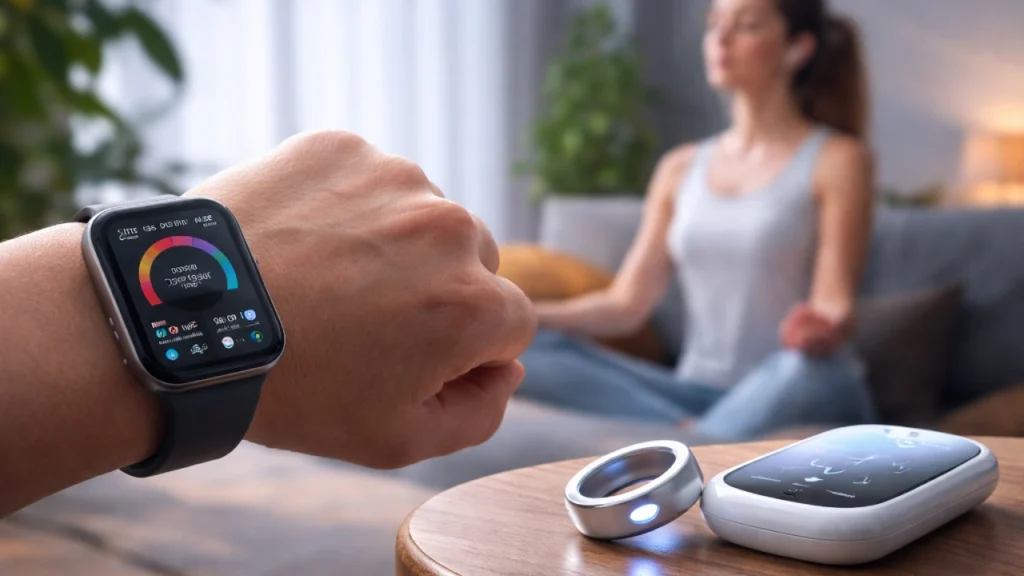
Heart rate tracking is the oldest feature in wearables. Because of that, it is also the most improved one. The watch uses green light to read blood flow. When your heart beats, blood flow changes a little. The sensor catches that and counts it as a beat.
When you are resting, sitting, or walking slowly, heart rate readings are usually fine. For daily life, most good brand watches give numbers that are close to reality. During workouts, things change. Fast arm movement confuses the sensor. Weight training is especially bad for wrist tracking. Sweat and loose straps make it worse.
This is why chest straps are still used by serious athletes. Chest straps read heart signals directly. Watches do not. For normal users, the exact heart rate during exercise is not that important. What matters more is resting heart rate and how it changes over weeks.
SpO₂ Tracking: The Most Misunderstood Feature
SpO₂ shows how much oxygen is in your blood. After this feature came to watches, many people started checking it daily without knowing what it really means. The watch uses red and infrared light to guess the oxygen level. This works better on fingers than wrists. On the wrist, blood flow is weaker, and readings are more unstable.
That is why most watches measure SpO₂ at night. During sleep, the body is still, and the hands are warm. This gives better data. Daytime SpO₂ readings are often wrong. Cold weather, loose fit, poor circulation, movement, tattoos — all of these affect the number.
One low SpO₂ reading means nothing. Even finger oximeters can give wrong results sometimes. In healthy people, oxygen usually stays above 95 percent. What matters is repeated low readings during sleep, not one random number during the day.
Sleep Tracking: Useful, ButDon’tt Take It Too Seriously
Sleep tracking is what most people check first thing in the morning. Many users judge their whole day based on one sleep score. The watch tracks sleep using movement, heart rate, breathing pattern, and heart rate changes. It does not know if your brain is asleep or awake.
Sleep time is tracked fairly well. When you went to bed, when you woke up, and total sleep hours are mostly correct. Sleep stages are guesses. Deep sleep, light sleep, REM — all of this is estimated by software. The watch cannot see your brain waves.
If you lie still but stay awake, the watch may think you are sleeping. Short wake-ups during the night are also missed many times. Sleep scores are made by algorithms. Each company uses different rules. That is why two watches can give different sleep scores for the same night. Sleep data should help you see habits, not judge sleep quality like an exam result.

Why Wearable Numbers Look Wrong So Often
Most errors are caused by how people wear the device. If the watch is loose, the sensor loses contact with the skin. If it is too tight, blood flow reduces. The best position is just above the wrist bone, snug but comfortable.
Tattoos block light. Sweat scatters light. Body hair affects reflection. These things cannot be fixed by updates. Software also matters. Different brands process data in different ways. One brand smooths data more, another shows raw numbers. That is why numbers change, but trends often stay similar.
Stop Watching Daily Numbers, Start Watching Trends
Daily data is noisy. One badnight’ss sleep does not mean poor health. One low oxygen number does not mean danger.
Trends tell the real story. If resting heart rate slowly goes up over weeks, it may show stress or poor recovery. If sleep duration stays low every night, it shows bad habits. If oxygen drops often during sleep, it may need attention. Weekly and monthly views matter more than daily screens.
Can You Trust Wearables or Not?
You can trust them for awareness, not for diagnosis. Wearables help people notice patterns. They help users move more and think about their health. That itself is useful. But they are not doctors. They cannot find diseases. They cannot replace tests. When people take wearable data too seriously, it creates stress. When they use it calmly, it helps.
Using Wearables Without Stress
Wear the device daily. Keep the fit the same. Check the data at similar times. Do not react to one number. Look at patterns. Listen to your body. If something feels wrong for many days, a doctor matters more than any watch screen.
Final Words
Wearables are tools, not judges. Heart rate tracking works well for daily use. SpO₂ and sleep tracking give hints, not answers. The real value of these devices is long-term tracking. When used with basic sense, they help people understand their routine better without fear. That is all a smartwatch is supposed to do.